Do you want to improve the look of your windows and save energy? You can do this by replacing your old window screen and frame. With the right tools and guidance, it’s easy to do it yourself. Our guide will walk you through the process step-by-step.
You’ll enjoy a refreshed look and extra insulation for your home. The project doesn’t have to intimidate you. Our guide will help you every step of the way. You’ll end up with a professional-looking finish that will make your home look great.
Don’t settle for dull windows any longer. A simple DIY project can easily make a big improvement. Our guide will help you get started and finish with confidence!

Tools and Materials Needed for the Project
Measuring Tape
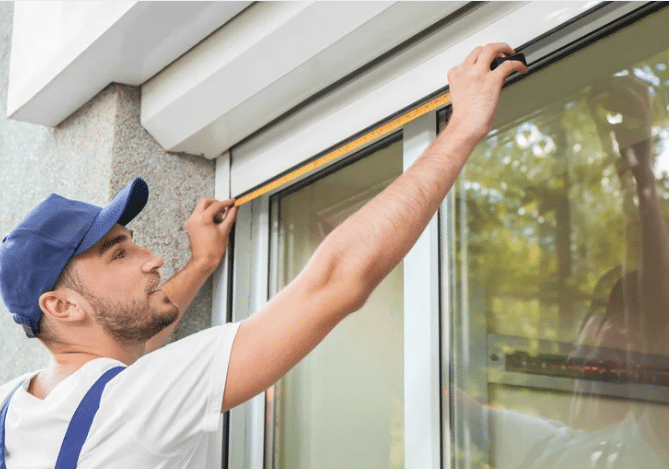
Accurate measurements are key to ensuring the new screen and frame fit perfectly. A measuring tape will help you determine the precise dimensions needed for a seamless replacement.Screwdriver
A versatile tool like a screwdriver is indispensable for removing screws and other fasteners holding the old screen and frame in place. Having different types and sizes of screwdrivers can be beneficial for various parts of the project.Utility Knife
A sharp utility knife is essential for cutting the replacement screen to the appropriate size. This tool allows for clean and precise cuts, ensuring a professional-looking finish.Replacement Screen and Frame
Selecting a high-quality screen material that meets your requirements, such as fiberglass or aluminum, is crucial for durability and functionality. Ensure the frame is sturdy and complements the aesthetics of your window.Spline Roller
The spline roller is a necessary tool for securely fitting the screen into the frame. It aids in evenly pressing the spline into the frame channels, ensuring a tight and secure fit.Safety Goggles and Gloves
Protecting yourself from debris and sharp edges is paramount during this project. Safety goggles shield your eyes from potential hazards, while gloves safeguard your hands from cuts and abrasions.Pliers
Pliers are handy for removing old staples or nails that may be securing the existing screen and frame. They provide leverage and precision for extracting stubborn fasteners.Cleaning Supplies
Before installing the new screen, it is essential to clean the window and frame thoroughly. Cleaning supplies such as a cloth, mild detergent, and a brush will help remove dirt, grime, and residue, ensuring a clean surface for the replacement.Assessing the Damage and Measuring the Window Screen
Assessing the Damage
Before you start replacing your window screen and frame, you need to assess the damage. Carefully inspect the existing screen for tears, holes, or other signs of wear. If the frame is damaged, take note of any cracks or warping.Measuring the Window Screen
To replace your window screen and frame, you need to measure the size of the screen accurately. Here’s how to do it:- Measure the width and height of the frame from the inside edge to inside edge. Ensure to measure at various points to accommodate for potential discrepancies.
- Record the measurements.
- Take Multiple Measurements to ensure accuracy by measuring at various points along the frame. This accounts for any irregularities.
- Add an extra inch to both the width and height to allow for any variations in the screen and frame.
Removing the Old Window Screen and Frame
Remove Securing Screws or Nails
Begin by identifying and removing any screws or nails that are holding the frame in place on the window. Use a screwdriver or pliers to extract them gently, making sure not to cause any damage to the surrounding area.Gently Pry the Frame Away
Once the screws or nails are removed, gently pry the frame away from the window. Take care to do this slowly and cautiously to avoid bending or breaking the frame during the process.Lift Out the Spline
If the frame is secured in place by a spline, use a screwdriver or utility knife to lift it out of the groove carefully. Removing the spline will allow you to take out the old screen from the frame easily.Dispose of Old Screen and Frame Responsibly
After successfully removing the old screen and frame, make sure to dispose of them responsibly. Recycling or proper disposal methods are recommended to minimize environmental impact.Choosing the right Replacement Screen and Frame
Material
The material of the replacement screen is an important consideration. Fiberglass screens are a popular choice due to their strength and resistance to corrosion. Aluminum screens, on the other hand, offer excellent visibility and are also corrosion-resistant.Color
The color of the replacement screen should match or complement the color of your window frame. This will ensure a seamless look and prevent any clashing of colors.Durability
The durability of the replacement screen is also important. Look for screens that are made from high-quality materials that can withstand wear and tear.Installing the New Window Screen and Frame
Place the New Screen Over the Frame
Start by placing the new screen over the frame, ensuring that it extends beyond the edges. This overlap will allow you to trim any excess screen later.Trim the Excess Screen
Use a utility knife to trim any excess screen, leaving a slight overlap. Make sure to cut along the edge of the frame to ensure a clean and straight line.Press the Screen into the Frame’s Groove
With the screen in place, use a spline roller to press the screen into the frame’s groove. Start at one corner and slowly work your way around, applying even pressure. This will ensure that the screen is taut and free from wrinkles or sagging.Trim Any Excess Screen
Once the screen is securely in place, use a utility knife to trim any excess screen. Make sure to cut along the edge of the frame to ensure a clean and straight line.Position the Replacement Frame Over the Window Opening
After the screen is installed, position the replacement frame over the window opening. Align the frame with the window and use screws or nails to secure it in place.Secure the Frame in Place
Be careful not to overtighten the fasteners, as this could cause the frame to warp or crack. Ensure that the frame is level and plumb before tightening the screws or nails.
Tips for Ensuring a Secure and Tight Fit
Double-check your measurements
Accurate measurements are crucial for a successful window screen and frame replacement. To ensure a secure fit, measure the window opening twice, accounting for any irregularities or variations. This will help you avoid potential issues during installation and ensure a tight fit.Use the right tools
Having the correct tools is vital for a seamless installation process. Below are the tools you might require:- Tape measure
- Screwdriver
- Utility knife
- Pliers
- Level
- Caulk gun (optional)
Check for gaps and drafts
After installing the new window screen and frame, inspect the window for any gaps or drafts. These openings can compromise the security and energy efficiency of your window. Use weatherstripping or caulk to seal any gaps, ensuring a snug fit and preventing air infiltration.Regular maintenance
Regular cleaning and maintenance of your window screens can help extend their lifespan and maintain their appearance. Here are some tips for maintaining your window screens:- Regularly cleanse your screens using gentle soap and water.
- Thoroughly check your screens for any indications of wear and tear or damage
- Replace any damaged or worn-out screens promptly to maintain the window’s functionality and appearance.