Why Replace Windows on a Brick Home?
Are your windows in need of an upgrade? If you own a brick home, replacing your windows can bring a host of benefits. From improved energy efficiency to enhanced curb appeal, new windows can significantly improve your home’s comfort and value. Replacing windows on a brick home comes with its own set of challenges. The unique characteristics of masonry construction require careful consideration and specific techniques to ensure a successful installation. As we move into 2024, advancements in window technology and installation methods make this an ideal time to tackle this project. Investing in new, energy-efficient windows can improve your home’s value and make your living space more comfortable. The windows are designed to blend seamlessly with the classic beauty of brick homes. You can experience the satisfaction of knowing that you are making a smart investment in your property while also enjoying the benefits of improved energy efficiency and comfort. In this step-by-step guide, we’ll walk you through the process of replacing windows on a brick home. From understanding the importance of proper installation to selecting the right materials, we’ll cover everything you need to know to achieve the best results. Whether you’re a seasoned DIY enthusiast or planning to hire a professional, this guide will provide you with the knowledge and confidence to handle this project head-on. Join us as we explore the ins and outs of how to replace a window on a brick home, and discover the transformative power of new windows in your cherished living space.Assessing the Condition of Your Windows
Before replacing windows on a brick home, it’s essential to inspect their current condition thoroughly. Look for signs of wear and tear, such as drafts, difficulty opening or closing, condensation between panes, chipping, or deteriorating frames. These issues indicate that your windows are no longer performing optimally, affecting your home’s energy efficiency and comfort. Consider the age of your windows as well. Older windows, even if they appear to be in good condition, may not be as energy-efficient as modern options. Newer models offer improved insulation, UV protection, and durability. Assessing your windows’ condition helps you understand what you need for the replacement when replacing windows on a brick home. This knowledge allows you to make informed decisions about the type of windows that best suit your home’s style and your specific requirements. This initial step is vital for planning a successful replacement project that meets your goals and budget.Choosing the Right Replacement Window
When replacing windows on a brick home, it’s crucial to choose windows that complement the home’s architectural style. Brick homes often have historical or aesthetic significance, so the new windows should enhance the building’s character. Energy efficiency is another important factor to consider. Opt for windows with high-performance ratings, such as those certified by ENERGY STAR, which can help reduce energy consumption and save on heating and cooling costs. Double or triple-pane windows filled with argon or krypton gas provide excellent insulation. Finally, consider the maintenance and durability of the window materials. Vinyl and fiberglass are popular choices for their longevity and low maintenance needs, while wood windows can offer unmatched aesthetic appeal for brick homes when properly treated and maintained.Tools and Materials Needed for the Window Replacement Process
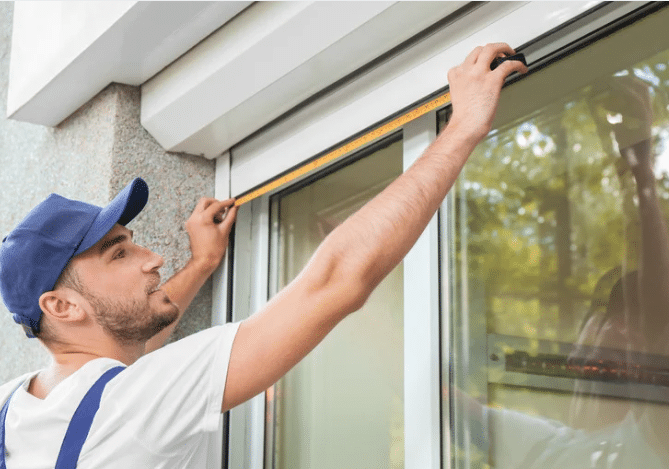
When replacing windows on a brick home, it’s important to have the right tools and materials. You’ll need a hammer, chisel, utility knife, measuring tape, level, and caulk gun. If you need to adjust the window opening, a circular saw may also be necessary. Remember to wear safety equipment such as gloves and eye protection. Materials needed include the replacement window, shims for leveling, caulk for sealing, and insulation for energy efficiency. Having a waterproof membrane or flashing tape is also a good idea to protect against water infiltration. Make sure you have everything ready before starting the project to avoid delays. Carefully measure the window opening to ensure the replacement window fits perfectly, as improper sizing can lead to problems later on.Preparing the Area for Window Replacement
Begin by removing window treatments, hardware, and security sensors connected to the window. Use drop cloths to protect the work area and catch debris, and apply painter’s tape to safeguard the window frame and surrounding brickwork from damage. When replacing windows on a brick home, inspect the window opening for any signs of damage or wear that could impact the installation of the new window. Check the sill for level and the surrounding brickwork for stability. Make any necessary repairs before proceeding to ensure a solid foundation for the new window. Ensure you have a clear workspace and all the required tools and materials within reach. This will help you work efficiently and minimize the risk of damage to your home or the new window during the installation process.Removing the Old Window from a Brick Wall
Start by removing the interior trim and any fasteners holding the window in place. If the window is sealed with caulk or foam, use a utility knife to cut through the sealant. When replacing windows on a brick home, it’s important to remove the old window carefully to avoid damaging the surrounding masonry. Gently push the window out of the opening from the inside, being careful not to put too much force on the brickwork. If the window is stuck, look for hidden fasteners or sealant that may need to be cut. After removing the window, clean the opening thoroughly, removing any old caulk, paint, or debris that could interfere with installing the new window. Be patient and precise during this step, as rushing or using too much force can lead to costly damage. Taking the time to remove the old window properly will make installing the new unit much easier.Installing the New Window on a Brick Wall
Start by dry fitting the window to check for any adjustments needed to the opening. Use shims to level the window, ensuring it sits squarely and is supported evenly. This is a crucial step when replacing windows on a brick home. Once the window is positioned correctly, secure it in place according to the manufacturer’s instructions. This usually involves using screws or brackets that anchor the window to the surrounding structure without putting stress on the brickwork. After securing the window, check for gaps around the frame and use shims where necessary to eliminate any voids. Apply a bead of caulk around the exterior of the window to seal it against water and air infiltration. Use a caulk suitable for exterior use and compatible with both the window material and brick for a lasting seal.