Most homeowners spend a lot of time thinking about their front door, landscaping, and paint color. The fence often gets treated as an afterthought. But here is the truth: your fence is one of the first things a neighbor, buyer, or visitor notices when they approach your property.
The style, condition, and material of your fence send a clear message about how well your home is cared for. A fence that complements your home’s exterior can make the whole property feel more complete and intentional. One that clashes or looks worn can drag down the entire appearance, no matter how nice everything else looks.
If you live in North Richland Hills, TX, where neighborhoods range from newer developments to established tree-lined streets, curb appeal matters more than most homeowners realize. Whether you are planning a fence replacement or simply refreshing the look of an existing one, the style you choose plays a bigger role in your home’s appearance than most people expect.
Your Fence Is Part of Your Home’s Visual Story
Every element on the outside of your home contributes to a single visual impression. The roofline, the siding, the driveway, the landscaping, and yes, the fence all work together. When they are aligned in style and condition, the home feels well put together. When one element is out of place, it stands out for the wrong reasons.
A wrought iron fence in front of a craftsman bungalow creates an elegant, traditional feel. A vinyl privacy fence around a modern farmhouse blends cleanly with the architecture. A rusted chain link fence in front of any home style sends a completely different message.
The style you choose should reflect the overall character of your home, not just your personal preference. Before committing to a fence design, take a step back and look at your home from the street. Consider what the fence will add to that view, not just what it will do for your yard.
If you are still exploring your options, our full guide on What Are the Different Fence Styles? gives you a complete breakdown of every major residential fence type to help you compare.
Fence Height and Openness Change How a Property Feels
Height is one of the most immediate factors that shape a curb appeal impression. A tall, solid fence along the front of a property can make a home feel closed off and uninviting, even if that was never the intention. A shorter, more open design tends to create a welcoming presence that draws the eye toward the home rather than stopping it at the fence line.
Front Yard Fence Height
For most front yards, a fence between three and four feet tall strikes the right balance. It defines the property without creating a barrier. Picket fences, aluminum rail fences, and low masonry walls all work well in this range.
Side and Backyard Fence Height
Taller privacy fences make more sense along the sides and rear of the property where sightlines from the street are limited. A six to eight-foot fence in the backyard is completely appropriate because it is not the first thing someone sees when approaching your home.
Things to check when evaluating fence height and openness:
- Step to the street and inspect how the fence interacts with your home’s front elevation
- Check whether the fence height blocks the view of desirable architectural features like windows or a porch
- Inspect whether the fence creates a visual flow that leads the eye toward the front entrance
Color and Finish Make or Break the Look
The color of your fence should coordinate with your home’s exterior palette. This does not mean everything needs to match exactly, but there should be a relationship between the two. A stark white vinyl fence can look crisp and clean against a gray or blue exterior. That same white fence against a bright yellow home may feel like a visual clash.
Neutral Tones Work Best
White, black, dark brown, and natural wood tones are the most universally compatible fence colors. They tend to complement a wide range of home styles and exterior paint colors without competing for attention.
Bold Colors Require Confidence
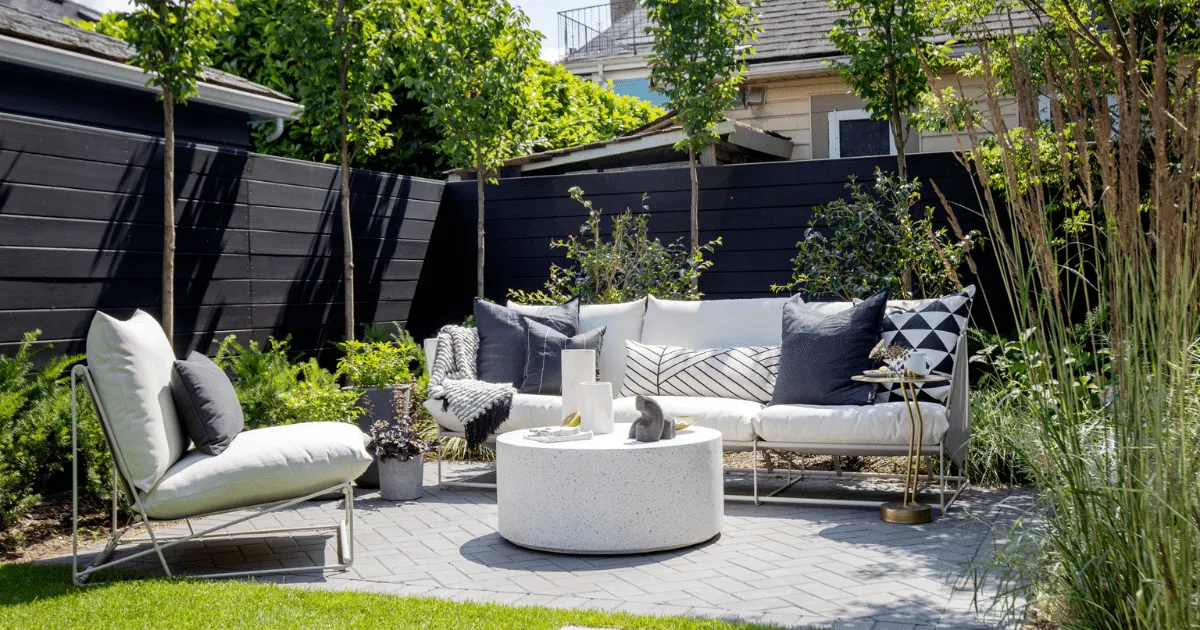
Some homeowners choose a fence color that makes a statement. A black wrought iron fence, for example, can look sharp and intentional against a light-colored home. A dark stained wood fence can create a rich, layered look in a landscaped yard. These choices work when they are deliberate, not accidental.
Things to check with fence color and finish:
- Inspect the fence surface for fading, peeling, or discoloration that makes the color look uneven
- Check whether the finish still matches the original tone or has shifted due to sun exposure
- Look at the fence alongside the home’s trim color to see whether they still coordinate well
Fence Condition Reflects on the Whole Property
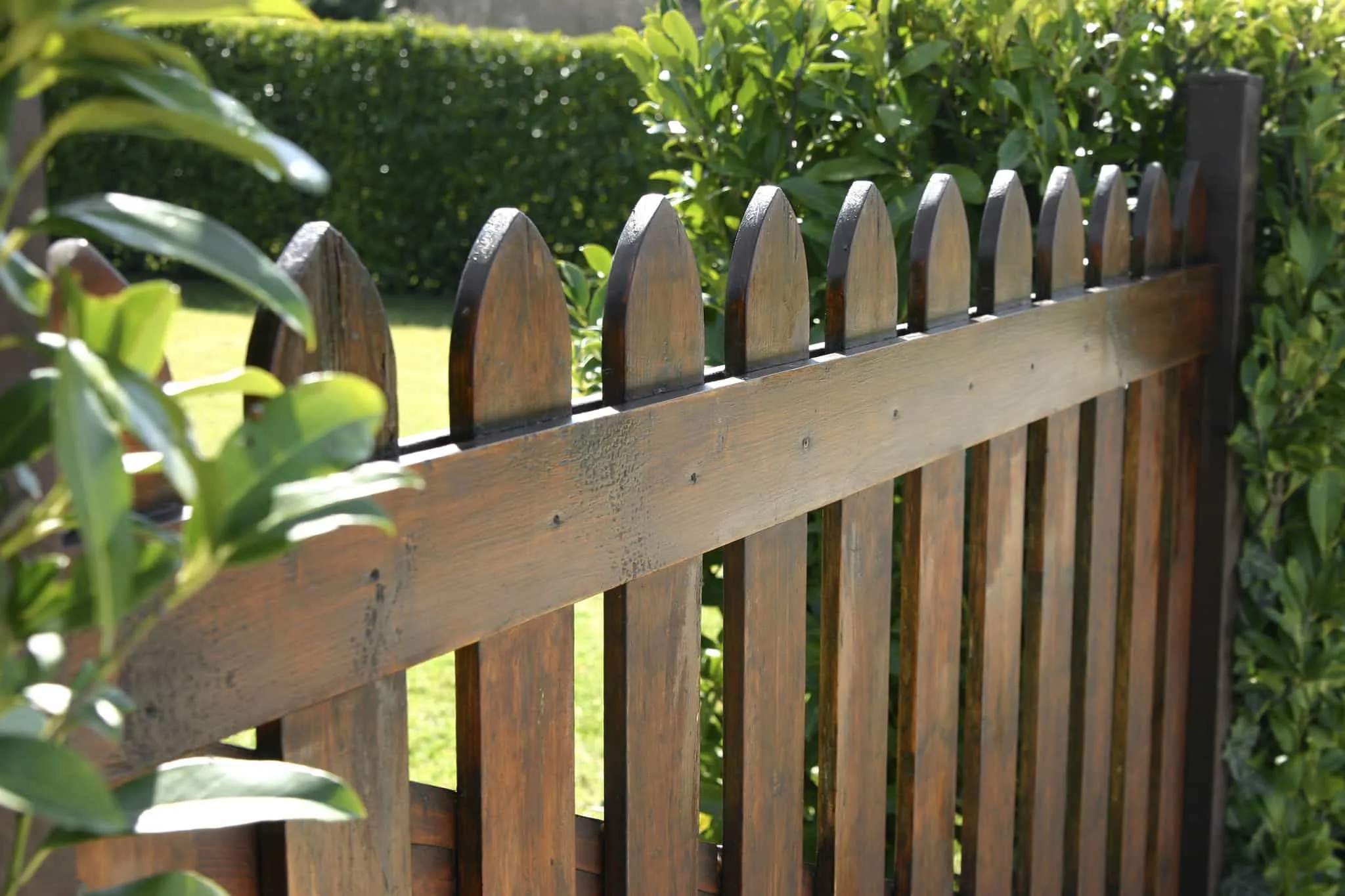
A well-chosen fence style in poor condition will still hurt your curb appeal. Rotting wood, cracked vinyl, rusted metal, and leaning posts communicate one thing clearly: the property is not being maintained. That perception follows a home whether you are trying to sell it or simply trying to be a good neighbor.
In North Richland Hills, TX, seasonal weather can accelerate fence wear. Summer heat causes wood to dry and crack. Heavy spring storms can shift posts and warp panels. The result is that even a fence that was installed correctly can begin showing wear faster than expected without routine inspection and upkeep.
Things to check for fence condition issues:
- Inspect every post at ground level for signs of rot, rust, or concrete cracking around the base
- Check all panels for warping, gaps, or discoloration that stand out from a distance
- Look at gate alignment, a sagging or misaligned gate is one of the most visible signs of deferred maintenance
For general guidance on home exterior maintenance standards that affect property perception, the National Association of Realtors’ home improvement resources provide useful context on what buyers and appraisers notice first.
Fence Style and Landscaping Need to Work Together
Your fence does not exist in isolation. It lives alongside your lawn, garden beds, trees, and walkways. The combination of all those elements is what a visitor actually sees. A beautiful fence surrounded by overgrown shrubs and patchy grass is still going to create a negative impression. On the other hand, even a simple fence style can look polished when the surrounding landscaping is clean and well-maintained.
Open Fences and Visible Landscaping
If your fence has gaps or rails that allow the yard to be seen, the landscaping behind it becomes part of the curb appeal picture. Rail fences, picket fences, and wrought iron styles all frame the yard rather than hide it. That means the lawn, garden, and any outdoor features need to look their best.
Solid Fences and Front Yard Framing
A solid privacy fence along the front of a property removes the landscaping from view entirely. In that case, what matters most is the fence itself, along with any plantings placed directly in front of it to soften the hard line.
Things to check when evaluating fence and landscape coordination:
- Inspect whether overgrown plants or vines are pushing against the fence and causing damage
- Check that mulch, soil, or grass is not piling up against the base of wood posts
- Look at the fence and yard together from the street to see whether they create a unified appearance
Fence Style Signals Neighborhood Compatibility
Curb appeal is not just about your home in isolation. It is about how your home fits within the neighborhood around it. A fence that looks wildly out of place compared to nearby properties can feel jarring rather than distinctive. That does not mean every home needs the same fence, but there is value in being aware of the overall visual tone of your street.
In many North Richland Hills, TX neighborhoods, there are also HOA guidelines or city ordinances that govern fence height, material, and placement. Choosing a style that aligns with those guidelines protects your investment and keeps your home from standing out in an unwanted way.
Things to check for neighborhood compatibility:
- Review any HOA or local city guidelines before selecting a fence style or material
- Walk your street and note what fence styles are most common to understand the visual baseline
- Check whether your planned fence height or material requires a permit before installation begins
For a broader look at how fence material and style choices hold up in different neighborhood settings, This Old House’s guide to fencing is one of the most reliable references available to homeowners.
Material Choice Communicates Quality and Longevity
The material of your fence tells a story about permanence and quality. A freshly installed vinyl fence communicates low maintenance and modern practicality. A well-kept wrought iron fence signals craftsmanship and longevity. A wood fence in good condition feels warm and classic. Each material creates a different impression, and that impression is part of your home’s overall curb appeal.
When homeowners choose a fence material primarily based on cost without considering how it fits the home’s style, the result often feels mismatched. The most cost-effective choice on paper does not always deliver the best return in appearance or property perception.
Things to check when evaluating material and quality signals:
- Inspect whether the fence material complements or clashes with the exterior siding and trim
- Check whether the material shows its age in ways that are difficult or expensive to reverse
- Look at the hardware, posts, and gates as well as the panels since every component contributes to the overall impression
If you are also weighing whether your fence is still the right fit for your yard’s security needs, our guide on What Fence Style Works Best for Privacy and Security? covers how to evaluate your options from a functional standpoint.
Timing Your Fence Update for Maximum Curb Appeal Impact
Curb appeal is not a one-time achievement. It requires ongoing attention. A fence that boosted your home’s appearance five years ago may now be working against it if it has not been properly maintained or if your landscaping and home exterior have changed since then.
Knowing when to repair, refresh, or fully replace a fence is an important part of keeping your home looking its best. Small repairs handled early prevent bigger problems that become much more visible and expensive later.
Things to check when deciding whether a fence update is due:
- Inspect whether the current fence still matches the style and condition of the rest of your home’s exterior
- Check whether the fence has become a visual distraction rather than a complement to the property
- Look for repairs that have been patched multiple times in the same area, which is usually a sign that replacement makes more sense
For a detailed look at the signs that indicate it is time to act, see our guide on When Is the Right Time to Replace or Upgrade Your Fence? walks through everything a homeowner should know before making that decision.
A Fence That Works for Your Home, Not Against It
Your fence is doing more work than you might think. It defines your property, frames your landscaping, and sets the tone for how your entire home is perceived. When the style, condition, and material all align with the rest of your exterior, the result is a home that looks intentional and well cared for. When they do not align, the fence becomes the first thing people notice for the wrong reasons.
If your fence is overdue for an update or you are ready to install something that genuinely improves your home’s appearance, North Texas Home Exteriors is ready to help. Our team understands what works in North Richland Hills, TX neighborhoods and can guide you toward the right style for your property. Contact us or give us a call to get started.