Choosing a fence is not just about marking your property line. It is one of the biggest decisions you will make for your home’s appearance, safety, and long-term value. The right fence can completely change how your home looks from the street. The wrong one can be a constant headache.
If you are a homeowner in North Richland Hills, TX, you have likely noticed how different fences can look across neighborhoods. Some homes have tall wood privacy panels. Others have classic white picket fences. Some use wrought iron for a more formal look. Each of those choices was made for a reason.
This guide breaks down the most common fence styles, what makes each one work, and how to tell which one fits your needs. Whether you are weighing a fence replacement after years of wear or installing one for the first time, this is your starting point.
Wood Fences: A Classic Choice with Lasting Appeal
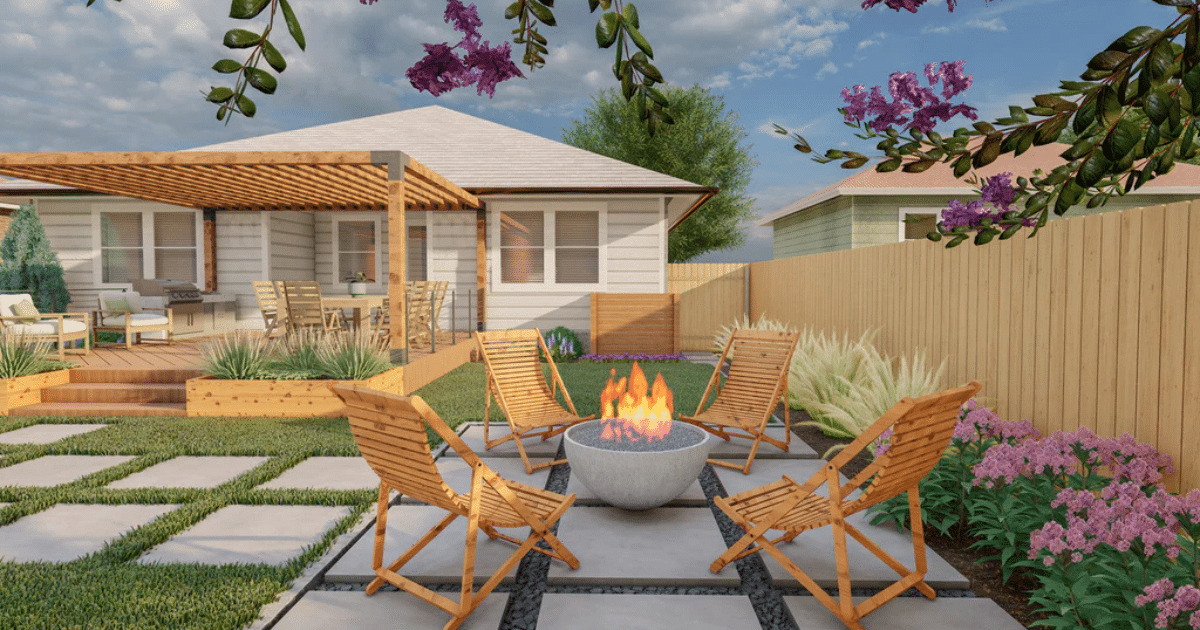
Wood is still one of the most used fencing materials in residential areas. It is versatile, easy to work with, and looks good with almost any home style. There are several wood fence designs to consider, depending on what you want from your fence.
Privacy Wood Fence
This is the tall, solid-panel style most homeowners go for when they want to block visibility from the street or neighbors. The boards are placed tightly together with no gaps. Heights usually range from six to eight feet.
Picket Fence
Picket fences are shorter, usually three to four feet tall, with evenly spaced vertical boards. They are a popular choice for front yards because they define boundaries without completely blocking the view. They give a home a welcoming, traditional appearance.
Board-on-Board Fence
This style overlaps the boards slightly so there are no gaps, but it still allows a small amount of air circulation. It is a good middle ground between a solid privacy fence and a more open design.
Things to check with wood fences:
- Inspect for rot, warping, or cracking boards at least once a year
- Check the base of each post where it meets the ground, that is where moisture damage starts
- Look for loose nails or screws, especially after storms
Understanding how your fence style affects the way your home looks from the street is just as important as the material. Read more in our guide on Why Your Fence Style Affects Your Home’s Curb Appeal to see how design choices connect to curb appeal.
Vinyl Fences: Low Maintenance and Long Lasting
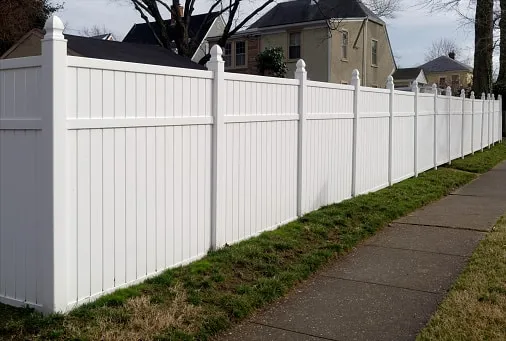
Vinyl fencing has become a go-to option for homeowners who want the clean look of a traditional fence without the upkeep. It does not rot, warp, or need painting. A good vinyl fence can last decades with very little attention.
Vinyl Privacy Fence
This style works the same way as a wood privacy fence, but without the maintenance demands. The solid panels block sightlines completely and hold up well against the Texas heat and humidity.
Vinyl Rail Fence
Rail fences use horizontal boards spaced apart. They are more decorative than functional and work well for defining property lines in open areas or for homes with a more rural or farmhouse aesthetic.
Vinyl Picket Fence
A vinyl picket fence gives you that classic look without the need for staining or sealing. It stays white and bright for years with just a simple rinse from a hose.
Things to check with vinyl fences:
- Check for cracks or discoloration, especially on panels that get full sun all day
- Inspect the post anchors after strong winds or storms
- Clean the surface annually to prevent dirt buildup or mold from forming in shaded areas
Chain Link Fences: Practical and Budget Friendly
Chain link might not be the most decorative option, but it is one of the most practical. It is durable, affordable, and requires almost no maintenance. You will find it used in backyards, around pools, and along property lines where security matters more than appearance.
Standard Chain Link
The classic woven wire design is galvanized to resist rust. It provides a clear boundary without blocking light or airflow. It is a common choice for pet owners and families with young children because it keeps the yard contained without a completely enclosed feel.
Vinyl-Coated Chain Link
This version adds a PVC coating over the wire, typically in black or green. The coating blends better into the landscape and adds a small layer of protection against rust.
Things to check with chain link fences:
- Look for rust spots, especially at connection points and post bases
- Check that the tension wire along the bottom is still secure and has not sagged
- Inspect gate hinges and latches for wear or misalignment
Wrought Iron and Aluminum Fences: Elegant and Strong
Metal fences are built for homeowners who want both security and a finished, polished appearance. Wrought iron is heavier and more traditional. Aluminum is lighter, rust-resistant, and easier to install. Both styles work well for front yards and formal landscaping.
Wrought Iron Fence
Wrought iron is known for its detailed craftsmanship. The vertical pickets are typically topped with pointed finials, giving the fence a distinguished look. It is extremely strong and can last generations when properly maintained.
Aluminum Fence
Aluminum fences mimic the look of wrought iron without the weight or maintenance. They do not rust and hold their color well in direct sunlight. They are a smart option for homeowners who want the style without the upkeep.
Things to check with metal fences:
- Check for rust on wrought iron, especially at joints and welds
- Inspect the paint or powder coating for chips that could expose bare metal to moisture
- Look for bent or loose pickets after any impact from lawn equipment or vehicles
For a trusted look at how metal and other residential fence materials compare over time, This Old House’s fencing overview covers the key differences every homeowner should understand before making a decision.
Split Rail Fences: Open and Rustic
Split rail fences use horizontal logs or rough-cut lumber stacked between posts. They give a property a natural, open feel. You will see them used on larger lots, acreage properties, and homes with a rustic or country-style design.
This style is not meant for privacy or security. It is mostly decorative and works well for defining the edges of a yard without creating a visual barrier. Some homeowners add wire mesh behind the rails to keep pets or small animals contained.
Things to check with split rail fences:
- Inspect the rails for rot or insect damage, especially at points where they rest inside the post holes
- Check posts for leaning or shifting, which is common after heavy rain softens the soil
- Look for gaps that have widened over time due to wood shrinkage
Composite Fences: Modern and Environmentally Conscious
Composite fencing is made from a blend of recycled wood fibers and plastic. It looks like natural wood but does not absorb moisture the same way. It is a newer option that has gained popularity among homeowners who want a clean aesthetic with less environmental impact.
Composite fences are resistant to rot, insects, and fading. They come in a range of colors and finishes, making it easy to match your home’s exterior. The average cost tends to be higher than wood or chain link, but the long-term savings on repairs and maintenance can make up for it.
Things to check with composite fences:
- Inspect for any surface mold or mildew, which can develop in areas with poor drainage
- Check the fasteners and post connections annually for any signs of loosening
- Look for fading or color inconsistency on panels that face direct sun throughout the day
If you want to go deeper on how composite and other modern fence materials hold up over time, Family Handyman’s fence guide offers practical, hands-on insight from experienced home improvement professionals.
Bamboo Fences: Natural and Eco-Friendly
Bamboo fencing is a growing trend in residential landscaping. It offers a natural look that works well with gardens, patios, and outdoor living spaces. Bamboo grows quickly, making it a more sustainable option compared to traditional lumber.
While bamboo looks great, it does require more attention in humid or wet climates. Without proper sealing, it can crack or split over time. In North Richland Hills, TX, where summers are hot and dry but storms can be intense, sealing and routine inspection are important steps.
Things to check with bamboo fences:
- Inspect for cracking or splitting, especially on sections that get direct afternoon sun
- Check the ties or fasteners that hold bamboo panels together
- Look for insect activity or wood-boring damage on older installations
If you are thinking about upgrading or replacing your current fence, knowing when to act matters just as much as knowing what style to choose. Our guide on When Is the Right Time to Replace or Upgrade Your Fence? walks you through the key signs to watch for.
Brick and Stone Fences: Permanent and Impressive
Brick and stone fences are in a category of their own. They are more permanent than any other option on this list. Once installed, they require very little maintenance and add significant visual weight to a property.
These fences are typically used for formal landscapes, estate-style homes, or as accent walls around a yard. In North Richland Hills, TX, you will sometimes see brick fence posts paired with wrought iron panels, which creates a look that is both secure and architecturally impressive.
Things to check with brick or stone fences:
- Inspect the mortar between bricks or stones for cracking or crumbling
- Check for leaning sections, which may indicate shifting soil or a foundation issue beneath the base
- Look for efflorescence, which is the white powdery residue that appears when water moves through masonry
The style of your fence does more than just serve a function. It sends a visual message about your property. To understand how each style choice connects to privacy and safety, take a look at our breakdown of What Fence Style Works Best for Privacy and Security?.
The Right Fence Starts with the Right Information

Choosing a fence style is not a small decision. Every option on this list has trade-offs. Wood offers beauty but requires maintenance. Vinyl is low-effort but has less character. Wrought iron looks great, but needs attention over time. The best fence for your home is the one that matches your priorities, your yard, and your budget.
If you are in North Richland Hills, TX, and are ready to take the next step, North Texas Home Exteriors is here to help. Our team brings hands-on experience with residential fencing and can help you find the right style for your property. Contact us or give us a call to schedule a consultation and get started on the fence your home deserves.