Most homeowners do not think about their siding until something obviously goes wrong. By the time a problem is visible from the street, it has usually been developing quietly for months, sometimes longer. Vinyl siding is durable and long-lasting, but when it begins to fail, the damage it allows into your home can be far more serious than the surface signs suggest.
In North Richland Hills, TX, where summer heat, UV exposure, heavy rain, and hail all put real stress on home exteriors, understanding what aging or damaged siding is doing to your home beneath the surface is one of the most important things a homeowner can know.
What Old or Damaged Siding Is Actually Letting In
When vinyl siding is working correctly, it acts as a sealed barrier between your home’s structure and the elements outside. When it starts to fail, that barrier develops gaps that allow three damaging forces to enter: moisture, outside air, and pests. Each one causes a different type of harm that compounds over time.
- Moisture entering through cracks or gaps in aging siding leads to wood rot, damaged insulation, and mold growth inside the wall cavity
- Outside air infiltrating through compromised panels reduces thermal efficiency and forces your HVAC system to work harder to maintain comfortable temperatures
- Insects and small pests find their way through gaps in damaged siding and can establish themselves inside wall cavities, where they are difficult and expensive to remove
Why These Problems Are Hard to Spot Early
The most damaging effects of failing siding happen behind the wall, where they are not visible during a standard inspection:
- Wood rot in the sheathing behind the siding progresses slowly, but weakens the structural integrity of the wall over time
- Mold growth inside the wall cavity can go undetected for months before it produces the odors or interior stains that prompt a homeowner to investigate
- Pest infestations that begin through small siding gaps are often not discovered until the colony is well established and the damage is already significant
If you are ready to replace and want to make the right product choice from the start, What to Look for When Buying Vinyl Siding for Your Home walks you through every specification that matters so you invest in a product that delivers real long-term value.
The Structural Damage That Hides Behind the Wall
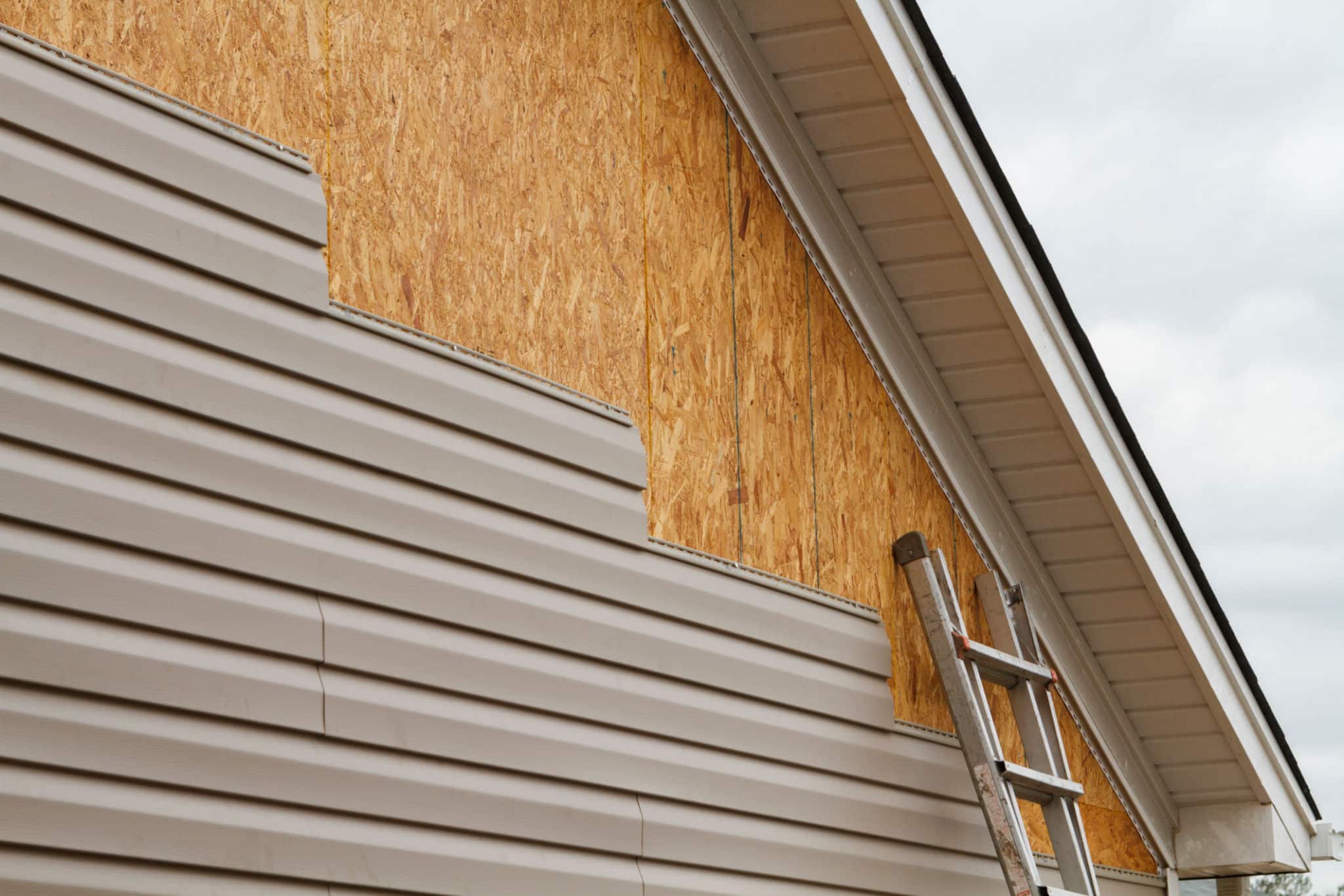
The wall behind your siding is made up of layers that each serve a specific function. When damaged siding allows moisture to reach those layers consistently, the damage moves inward and affects components that are expensive and disruptive to repair.
- Oriented strand board or plywood sheathing that gets repeatedly wet begins to soften, delaminate, and lose its structural strength over time
- Wall studs that absorb moisture are vulnerable to rot that compromises the load-bearing capacity of the wall itself
- Insulation that gets wet loses its thermal performance and can become a breeding ground for mold, requiring full removal and replacement
How Long Does It Take for Hidden Damage to Become Serious
The timeline from initial siding failure to significant structural damage depends on how much moisture is entering and how often:
- Minor cracking that allows occasional moisture entry during heavy rain may take several years to produce visible structural damage
- Larger gaps or missing panels that expose the wall consistently can cause serious rot and mold issues within a single wet season
- The longer damaged siding is left unaddressed, the more layers of the wall are affected, and the higher the eventual repair cost
Energy Loss, You Can Feel but Cannot Always Explain
One of the earliest signs that vinyl siding is no longer doing its job is a gradual change in how comfortable your home feels and how hard your HVAC system has to work. This is especially noticeable in North Richland Hills during summer when outdoor temperatures push well above 100 degrees, and even small gaps in the building envelope create real thermal strain.
- Gaps in compromised siding allow hot outside air to enter the wall cavity and raise the temperature of interior surfaces
- Areas of the home near damaged siding sections can feel noticeably warmer or harder to cool, even with the air conditioning running continuously
- Rising energy bills without a clear explanation are one of the most consistent early indicators that the exterior envelope has been compromised
How to Connect Energy Costs to Siding Performance
Making the connection between energy bills and siding condition is not always obvious, but these checks help:
- Run your hand along interior walls adjacent to exterior surfaces during the hottest part of the day to feel for unusual warmth or temperature variation
- Check whether the rooms closest to the most sun-exposed walls of your home are consistently harder to cool than other areas
- If your energy costs have been climbing steadily without a change in usage habits, an exterior inspection is a logical and often overlooked first step
Once you have confirmed your siding is sound and the energy loss is under control, Why Vinyl Siding Needs Less Maintenance Than You Think will show you how little it takes to keep it performing well from that point forward.
The Health Risks of Mold Behind Your Siding
Mold growth inside a wall cavity is not just a structural problem. It is a health concern that affects the air quality inside your home and can have real consequences for the people living in it. Once mold establishes itself behind failing siding, it spreads through the wall structure and eventually finds its way into the living space.
- Mold spores released from wall cavities can circulate through the home’s air system and contribute to respiratory irritation and allergy symptoms
- Musty odors concentrated near exterior walls are one of the most reliable early signs that mold is present behind the siding
- Discoloration or staining on interior walls adjacent to the exterior often indicates that mold or moisture damage has progressed far enough to affect the interior surface
What to Do If You Suspect Mold Behind Your Siding
Acting quickly when mold is suspected limits the damage and reduces the cost and complexity of the repair:
- Do not attempt to seal visible gaps in the siding without first having the wall inspected, since trapping moisture inside the wall makes the problem significantly worse
- Contact a siding professional who can assess the full extent of the damage, including what is happening behind the panels, where it cannot be seen from the outside
- Understand that mold remediation may need to happen before or alongside the siding replacement, depending on how far the growth has spread inside the wall
According to the CDC’s guidance on mold and health, mold exposure in indoor environments can trigger respiratory symptoms, allergic reactions, and other health concerns, making early detection critical for any homeowner.
Pest Damage That Starts at the Siding and Moves Inward
Gaps, cracks, and deteriorated edges in aging vinyl siding create entry points that insects and small rodents are quick to find and use. Once inside the wall cavity, pests cause damage that is completely hidden until it is uncovered during a repair.
- Carpenter ants and termites are drawn to moisture-damaged wood behind failing siding and can cause significant structural damage before any signs appear on the surface
- Rodents that enter through siding gaps chew through insulation, wiring, and structural materials inside the wall cavity
- Wasps and stinging insects frequently nest in wall cavities accessible through siding damage, creating a hazard that is often discovered only when the nest is well established
How to Identify Pest Activity Connected to Siding Damage
Knowing what to look for on the exterior helps catch pest problems before they move further into the home:
- Small piles of sawdust-like material near the base of the wall can indicate carpenter ant activity in moisture-damaged wood behind the siding
- Mud tubes or shelter tubes running along the wall near the foundation can signal termite activity working upward from the soil into the wall structure
- Visible entry and exit activity around a specific gap or crack in the siding, especially during warmer months, often points to an established insect nest inside the wall
For a full picture of what to look for when evaluating your siding’s current condition, How Vinyl Siding Protects Homes From Harsh Weather explains exactly what a properly functioning exterior should be doing and what the warning signs of failure look like from both inside and outside the home.
How Curb Appeal and Home Value Are Affected
The visible effects of aging or damaged vinyl siding go beyond personal preference. They have a measurable impact on your home’s market value and how it is perceived by anyone who sees it, including potential buyers, neighbors, and even insurance adjusters.
- Widespread fading, chalking, cracking, or warping signals deferred maintenance to buyers and can reduce perceived home value before they ever step inside
- Insurance companies may flag visibly deteriorated siding during policy reviews, which can affect coverage terms or renewal
- Homes with damaged or aging exteriors tend to sit longer on the market and sell at lower prices than comparable homes with well-maintained siding
What Buyers and Appraisers Notice About Siding Condition
Understanding how others evaluate your siding’s condition helps you see it through a more objective lens:
- Appraisers account for the condition and estimated remaining life of exterior components, including siding, when determining home value
- Buyers doing a walkthrough notice uneven, faded, or damaged siding immediately and often use it as leverage in price negotiations
- A home with recently replaced quality siding communicates that the property has been well cared for and reduces the buyer’s concern about hidden maintenance issues
The U.S. Department of Energy’s energy-efficient home design guidelines note that maintaining a properly sealed and insulated exterior envelope is one of the most effective ways to improve home energy performance and reduce long-term operating costs.
Do Not Wait for Damage to Become Obvious Before You Act
The most expensive siding problems are always the ones that were allowed to develop quietly over time. Moisture, pests, mold, and energy loss do not announce themselves loudly. They build gradually behind the wall until the repair involves far more than just the siding itself.
North Texas Home Exteriors specializes in catching those problems early, before they have the chance to grow into something your budget was not prepared for. Whether your siding is showing early warning signs or you simply have not had a professional set of eyes on your exterior in years, getting ahead of the damage is always the smarter move. Contact us or give us a call to schedule your inspection today and protect what you have worked hard to build.