Buying vinyl siding is one of those decisions that looks straightforward until you are actually standing in front of a product catalog. There are differences in thickness, grade, profile, color technology, insulation options, and warranty terms that all affect how your siding performs and how long it lasts. Choosing based on price alone or looks alone often leads to regret a few years down the road.
For homeowners in North Richland Hills, TX, where summer heat, UV exposure, heavy rain, and hail are all part of the picture, understanding what actually matters in a vinyl siding product is worth the time before any installation begins.
Panel Thickness and What It Tells You About Quality
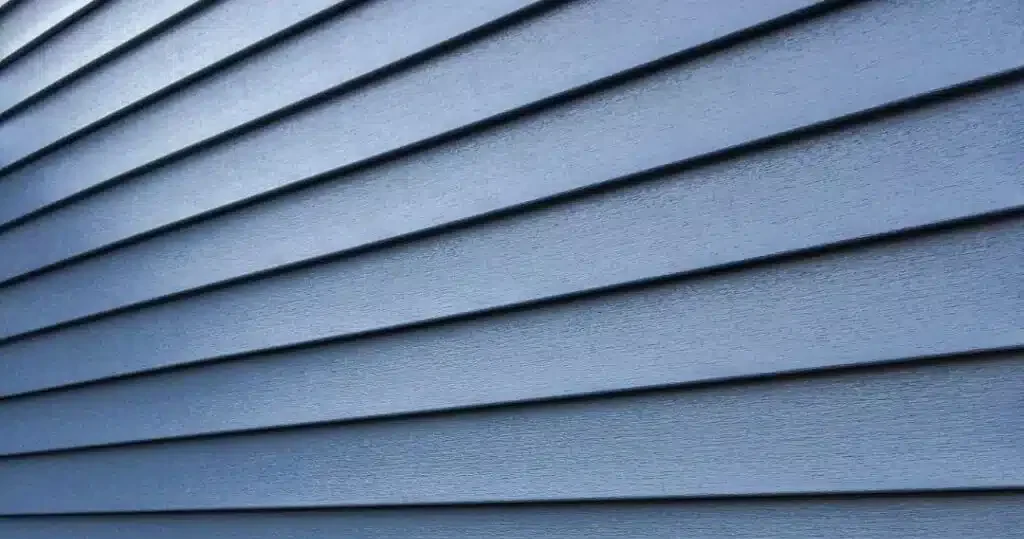
Thickness is one of the clearest indicators of vinyl siding quality. Thicker panels hold their shape better under wind and impact, resist buckling during heat expansion, and look cleaner and more uniform on the wall once installed.
- Builder-grade panels typically run between 0.040 and 0.042 inches thick, which is the minimum acceptable range for most residential applications
- Mid-grade panels at 0.044 to 0.046 inches offer noticeably better rigidity, impact resistance, and overall wall appearance
- Premium panels at 0.048 inches and above represent the most durable option and are the right choice for homes in high-weather environments
Why Thickness Matters More in a Texas Climate
In a climate like North Richland Hills, where temperatures swing dramatically across the year, thinner panels are more vulnerable to the stress of repeated expansion and contraction:
- Thicker panels flex less during temperature changes, reducing strain on the seams and locking systems that keep water out
- Higher-grade panels are more likely to carry stronger wind and impact ratings, which matters in an area that sees regular hail and severe thunderstorms
- The added rigidity of thicker vinyl produces a smoother, more even wall appearance that holds up better over the long term
To understand why panel strength matters beyond just aesthetics, read How Vinyl Siding Protects Homes From Harsh Weather and see how the right product stands up to real Texas conditions.
Understanding Siding Grades and Performance Ratings
The vinyl siding industry uses grading systems that are not always explained clearly at the point of sale. Knowing what each grade actually means helps you make a smarter comparison between products and avoid spending money on features that do not apply to your situation.
- Builder grade is the most affordable option, but carries the shortest expected lifespan and the least resistance to weather-related stress
- Contractor grade sits in the middle range and performs well for most standard residential installations with moderate weather exposure
- Premium grade carries the highest ratings across wind resistance, impact performance, and UV protection, and delivers the best long-term value for homes in demanding climates
Certifications and Ratings Worth Looking For
Third-party certifications confirm that a product has been independently tested rather than simply marketed with manufacturer claims:
- Vinyl Siding Institute certification sets independently verified standards for product quality and consistent performance
- A Class 4 impact rating is the highest available and indicates the panel has passed testing designed to simulate real hail strike conditions
- Wind resistance ratings should be clearly stated by the manufacturer and should meet or exceed the building code requirements in your area
Choosing a Profile and Style That Works for Your Home
Vinyl siding comes in a wide range of profiles, and the right choice depends on both your home’s architectural style and the visual result you want. Getting this decision right before installation begins saves you from costly changes later.
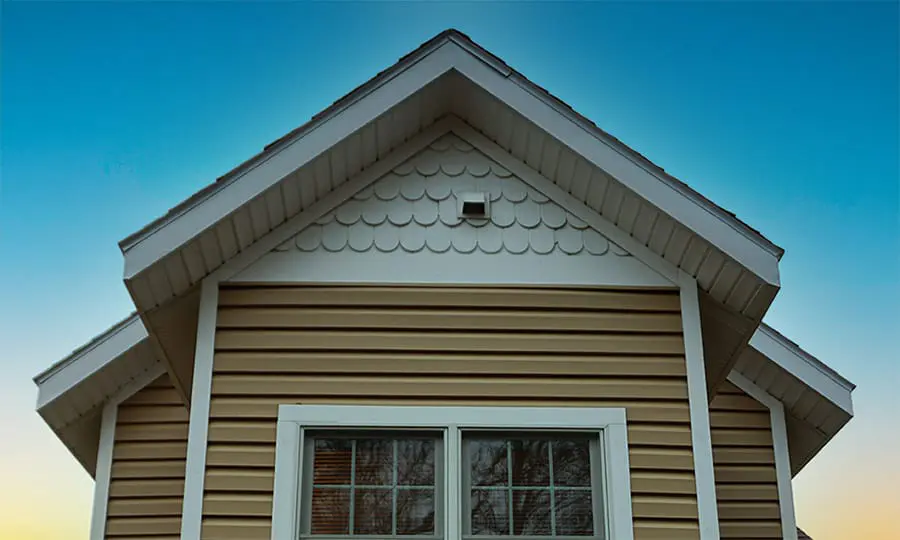
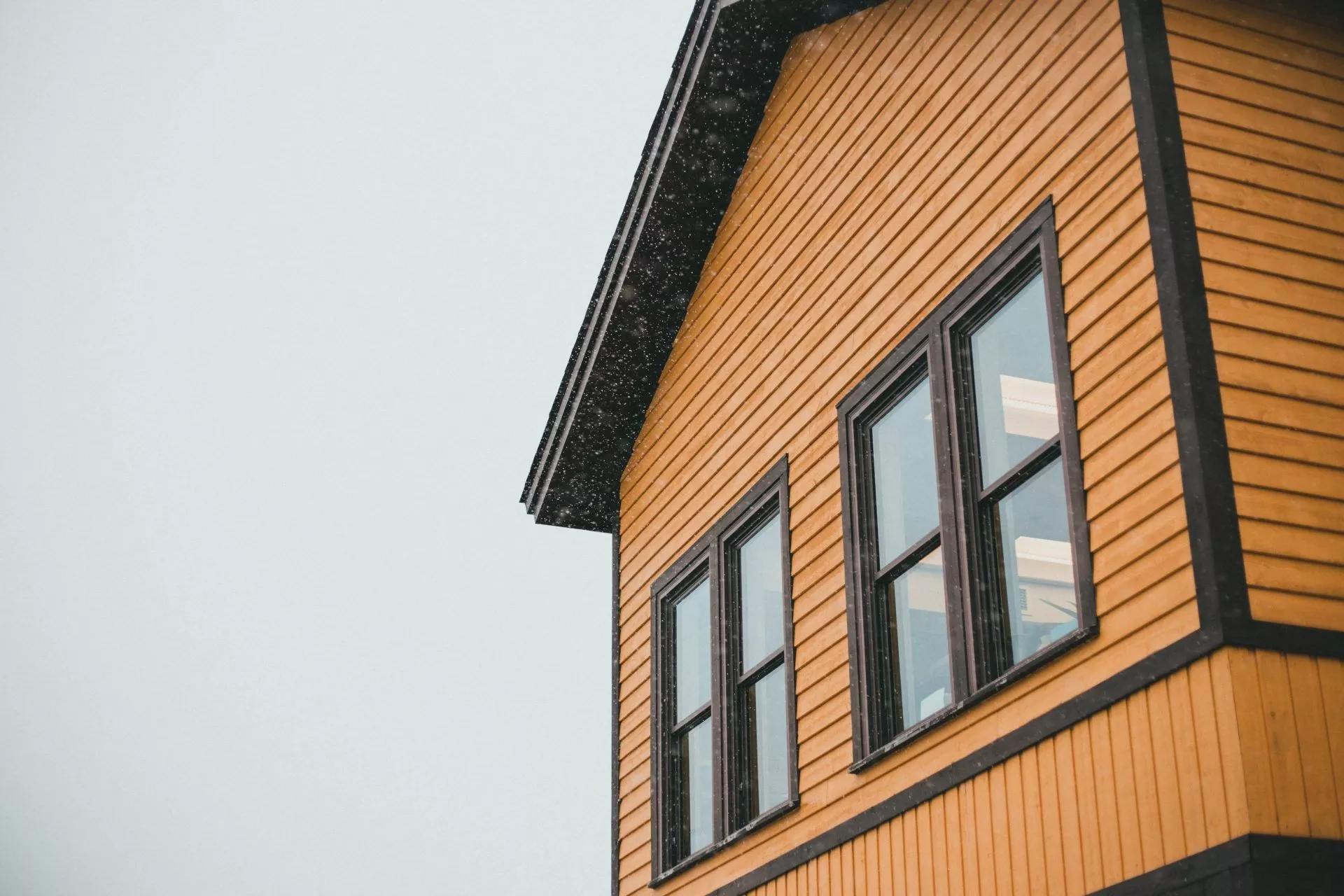
- Horizontal lap siding is the most widely used profile and suits most traditional and transitional home designs without looking out of place
- Dutch lap and beaded profiles add subtle shadow lines and visual texture, working particularly well on craftsman or farmhouse-style homes
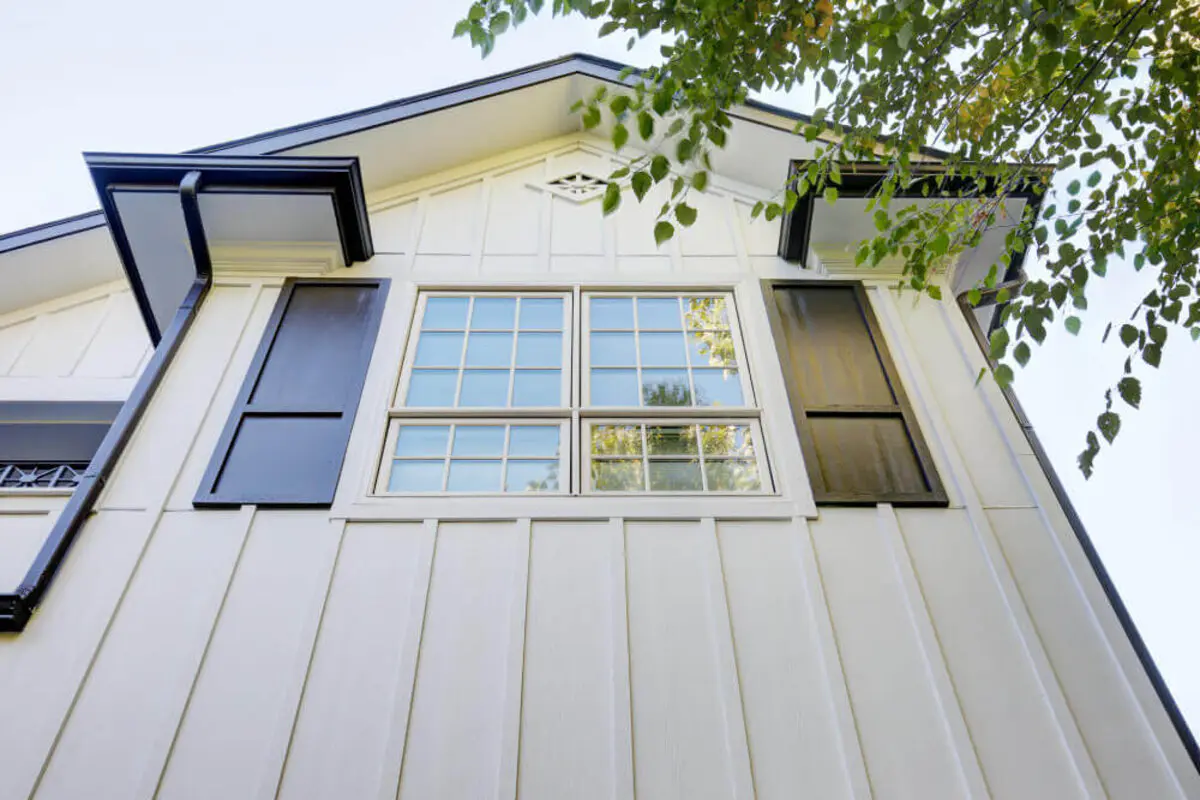
- Vertical board and batten siding has grown steadily in popularity and creates a clean, structured look that suits contemporary and mixed-style homes
How Profile Depth Affects the Finished Appearance
The depth of the panel profile changes how light and shadow interact with the wall, which affects how the home reads from the street:
- Deeper profiles cast stronger shadows and create a richer, more dimensional appearance that works well on larger or more traditional homes
- Shallower profiles produce a cleaner and more minimal look that suits modern homes, where strong texture would feel visually heavy
- Wider panel widths tend to feel more relaxed and informal, while narrower widths read as more detailed and traditionally crafted
Color Selection and Fade Resistance in High-UV Environments
Color is usually the most visible decision homeowners make, but in North Richland Hills the more important question is how well that color holds up under intense Texas sun. Fade resistance should be treated as a performance specification, not just a cosmetic preference.
- Lighter colors reflect more solar heat and generally hold their appearance longer than deep or saturated tones in high-UV environments
- Darker colors absorb significantly more heat, which accelerates surface wear and increases the risk of warping over time in hot climates
- Premium vinyl products use multi-layer color technology that resists fading far longer than standard single-coat finishes found on lower-grade panels
Questions to Ask About Color Before Committing
A few targeted questions before finalizing your color choice can save you from regret after installation:
- Ask the manufacturer or your installer specifically about the fade warranty on the color you are considering, not just the general product warranty
- Request physical sample panels and view them outside in natural light at different times of day before making a final decision
- Confirm that your preferred color is available in the panel thickness and grade you have already decided on, since not all colors are offered across every product line
According to Family Handyman’s tips for vinyl siding installation, selecting the right color and profile combination before work begins is one of the most important steps toward a result you will be satisfied with for years.
Insulated vs Standard Vinyl Siding
One of the most consequential choices when buying vinyl siding is whether to go with insulated or standard panels. Both are solid options, but they serve different needs and come at different price points that affect how the investment pays off over time.
- Standard vinyl siding delivers strong weather protection and a clean appearance at a lower upfront cost that fits most residential budgets
- Insulated vinyl adds a foam backing bonded directly to the panel that improves the wall’s thermal resistance and adds structural rigidity
- Homes in climates with significant temperature variation, like North Richland Hills, tend to benefit most from the added insulation layer during the hottest months
How to Decide Which Option Fits Your Situation
The right choice depends on your home’s existing insulation, your energy goals, and how long you plan to stay in the home:
- If your walls are already well insulated, standard vinyl will likely meet your needs without the added cost of insulated panels
- If energy efficiency is a real priority or your walls are older and under-insulated, insulated vinyl delivers returns that justify the higher upfront investment
- Ask your installer for an honest assessment of whether the energy savings realistic for your specific home outweigh the cost difference before making a final decision
According to Energy Star’s guide to home insulation and sealing, properly insulated and sealed home exteriors can significantly reduce energy costs, making insulated vinyl siding one of the most practical upgrades for homeowners focused on long-term efficiency.
What Vinyl Siding Warranties Actually Cover
A warranty tells you how much confidence a manufacturer has in their own product. Understanding what is and is not covered protects you from surprises if something goes wrong after installation.
- Lifetime warranties are common across the vinyl siding industry, but the actual terms vary significantly from one manufacturer to another
- Look specifically for warranties that cover fade and impact damage in addition to manufacturing defects, since those are the most common real-world issues
- Check whether the warranty transfers to a new owner if you sell the home, since transferability can add meaningful value at resale
Warranty Questions to Clarify Before Signing Anything
Getting clear answers upfront prevents disputes and misunderstandings later:
- Ask whether the installation labor is covered under a separate warranty from the product itself, and how long that coverage lasts
- Confirm that using a certified or approved installer does not affect the validity of the manufacturer’s product warranty
- Find out exactly what documentation you need to retain in order to file a valid warranty claim if a problem develops after installation
If you want to know what poor installation can lead to over time, The Hidden Dangers of Old or Damaged Vinyl Siding walks you through the warning signs that homeowners should never ignore.
Why the Installer You Choose Matters as Much as the Product
The best vinyl siding on the market will underperform if it is not installed correctly. The contractor you choose carries just as much responsibility for the long-term outcome as the product itself.
- Panels fastened too tightly cannot expand and contract naturally with temperature changes, which leads to buckling and warping during summer heat
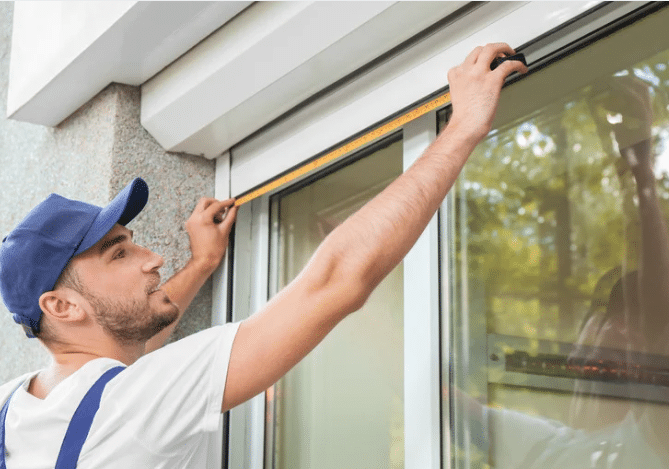
- Gaps left around windows, doors, and trim create entry points for moisture and pests that cause damage inside the wall over time
- A skilled installer follows manufacturer guidelines precisely, which also protects the validity of the product warranty after installation is complete
What to Look for When Choosing a Siding Contractor
A little research before hiring saves significant frustration after the work is done:
- Verify that the contractor is licensed and carries current insurance in Texas before agreeing to any work
- Ask specifically for references from recent vinyl siding projects in the North Richland Hills area, rather than general testimonials
- Get a written estimate that clearly identifies the product brand, grade, and panel thickness, along with the full scope of work and timeline
The National Association of Home Builders notes in their guide to routine home maintenance that quality installation is one of the most critical factors in how long any exterior product performs.
Once your new siding is installed, Why Vinyl Siding Needs Less Maintenance Than You Think will help you keep it performing at its best with the least amount of effort over the years ahead.
Buy Once, Buy Right, and Your Home Will Show It
Vinyl siding is a long-term investment that affects how your home looks, performs, and holds its value for the next two to four decades. Taking the time to understand thickness, grade, color technology, insulation options, and warranty terms puts you in a far stronger position before the first panel ever goes up.
North Texas Home Exteriors works with homeowners across North Richland Hills to cut through the noise, match the right product to the right home, and back every installation with the craftsmanship it deserves. You should never have to guess whether you made the right call. Contact us or give us a call, and let us walk you through your options so your first decision is your best one.