Vinyl windows can seem simple from the outside, but performance depends on what is inside the frame, how the corners are built, how tightly the sash seals, and how the glass package is matched to your home. In North Richland Hills, TX, that matters because intense sun, humidity swings, and storm season put steady pressure on seals, alignment, and comfort. Two windows can look similar on a brochure and still feel completely different once they are installed, especially during a hot week when the afternoon sun hits the same rooms every day.
This guide breaks down what vinyl windows are made of, what those materials mean for insulation and durability, what you can safely check when a window starts feeling “off,” and how to make smarter choices so your next set performs the way you expect.
Quick Answer
Most vinyl windows are made from uPVC (unplasticized polyvinyl chloride), a rigid, structural material engineered for window frames and sashes. Better-performing vinyl windows often use multi-chambered frame designs for strength and insulation, and strong corner construction to reduce weak points. Comfort and efficiency are strongly influenced by the insulated glass unit, including Low-E coatings, gas fills, and spacer systems, along with the quality of weatherstripping and lock-up that keeps the sash pulled tight.
If you want the simplest definition first, read What Is A Vinyl Window?.
What is uPVC And Why It Is Used For Windows
uPVC is the rigid form of vinyl used in modern window frames and sashes. The “u” means it is not softened with added plasticizers, the way some flexible vinyl products are. In practical terms, uPVC is used because it is designed to be structural, stable, and suitable for everyday window use.
Window-grade uPVC is made to:
- Hold shape under normal daily temperature changes
- Support window hardware and sash movement
- Resist moisture-related breakdown in everyday conditions
- Provide a stable base for sealing and weatherstripping
Important note: “vinyl window” is a category, not a guarantee. Two vinyl windows can be built very differently, even if they look similar on the showroom floor. A homeowner can feel that difference later through drafts, sticky operation, or a window that never seems to “close tight.”
Why Multi-Chamber Frames Matter
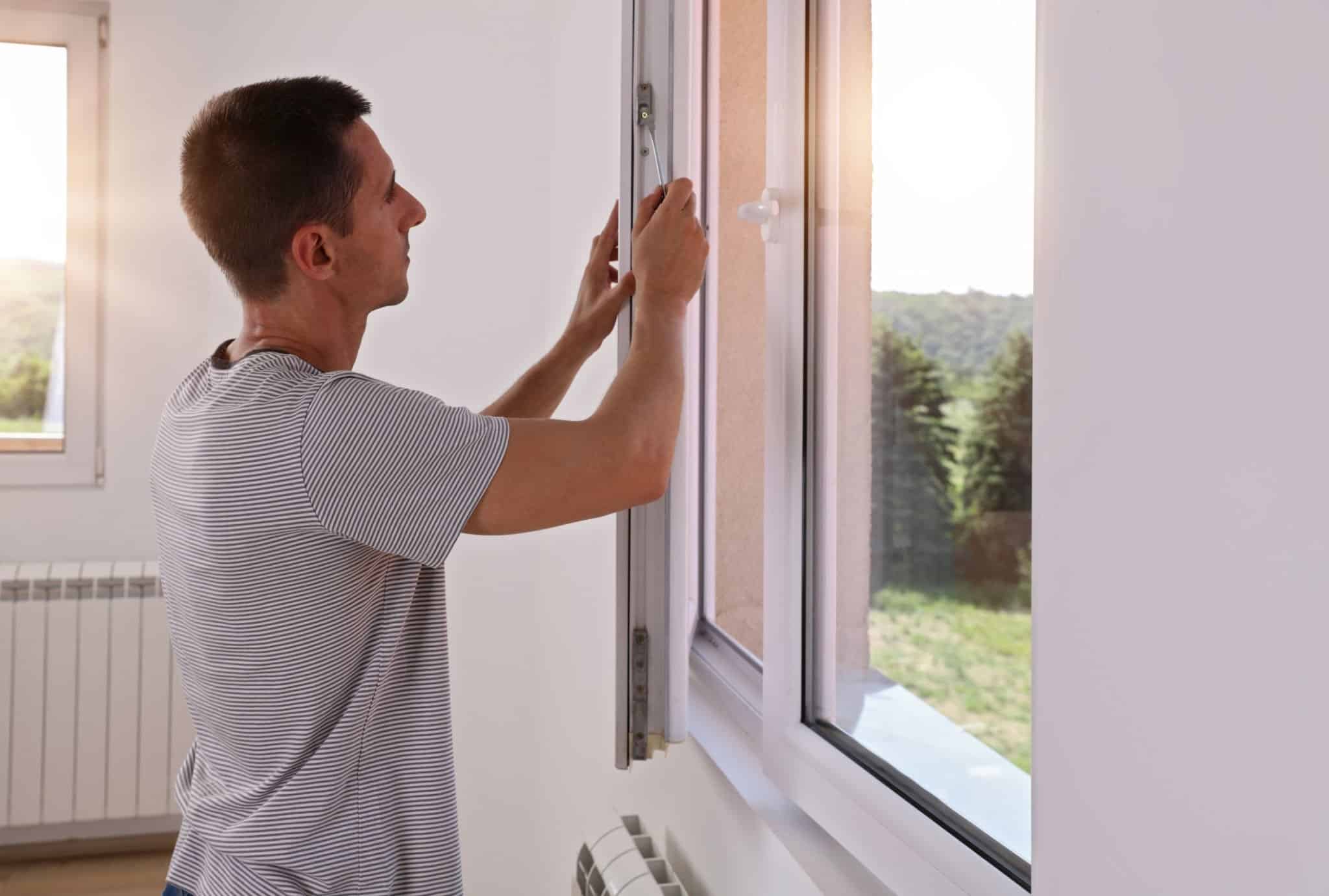
Inside many vinyl frames are hollow sections called chambers. These chambers are not just empty space. They are a design feature that helps balance insulation and rigidity.
Chambers helps with:
- Insulation: air pockets reduce heat transfer
- Strength: internal walls add rigidity, so the frame stays stable
- Support for hardware areas: helps certain designs hold alignment under normal use
In North Richland Hills, strong afternoon sun can magnify small alignment issues. If a frame is less stable, a sash may start to feel tighter in one season and looser in another, or a lock may not pull the sash in as firmly as it used to. A stable frame design helps keep daily operation consistent.
What to check:
- Ask whether the frame is multi-chambered and how it is designed for your window sizes
- If you are doing larger openings, confirm the product is intended to stay stable long-term
- Pay attention to how the window feels when you lock it. A tight pull-in is often a good sign
Corner Construction And Why It Changes Long-Term Feel
Corners are one of the most important “hidden” details in a window. When corners hold tight, the unit stays square, seals better, and tends to operate more smoothly. When corners are weaker, small movements can show up as changes in sealing and operation over time.
Many quality vinyl windows use heat-welded corner construction. Some use mechanical joining methods depending on the design. The practical point for homeowners is not which method is used, but what the result is: a corner that feels tight and stays stable through seasons.
Why corner quality matters:
- A strong corner reduces the chance of air and water entry at joints
- Better corner stability supports long-term squareness
- Squareness influences how well the sash seals and how smoothly it moves
What to check:
- Inspect the corner finish and look for tight, clean joints
- Gently press near the corner areas with the window closed. You should not feel flex or “give.”
- Check how consistent the reveal gaps look around the sash when closed
If you have ever had a window that “never quite feels aligned,” corner stability is a common reason.
Reinforcement And When Vinyl Needs Extra Support
Some vinyl windows include internal reinforcement in certain areas. This is more common in:
- Larger windows
- Wider double-hung units
- Sliders with long spans
- Units exposed to higher wind loads
Reinforcement is not always required, but it can matter for long spans where stability is key. A stable unit is more likely to keep weatherstripping compression consistent, keep locks aligned, and avoid the subtle sagging that can make operation feel rough over time.
What to check:
- Ask if reinforcement is used and where (frame, meeting rail, sash areas)
- Confirm it is designed for the specific size you are installing
- If you have a wide opening, ask how the product manages long-term stability
In North Richland Hills, windy weather and strong sun exposure can add stress over time. The goal is not “overbuilt.” The goal is “right-built” for your opening sizes.
The Glass Package Does Most Of The Comfort Work
Homeowners often focus on frame material first, but comfort and efficiency usually come from the glass package. The glass is the largest surface area in most windows, and it is the primary pathway for heat and solar energy.
Key glass components that affect comfort:
- Double-pane or triple-pane insulated glass units
- Low-E coatings to manage heat transfer and solar gain
- Gas fills many energy packages
- Spacer systems that affect edge-of-glass comfort
- Glass thickness options that can support noise control goals
North Richland Hills tip: rooms that get heavy afternoon sun often feel more comfortable when the glass is chosen for solar control, not just basic insulation. If a homeowner replaces windows and does not address solar gain, they may still feel that same afternoon heat pattern in the same rooms.
If you want the “why homeowners choose vinyl” overview, read Why Homeowners Choose Vinyl Windows Over Other Types.
Weatherstripping And Lock-Up: The “Tightness” You Feel
The window’s “tight” feel does not come from the glass alone. It comes from how the sash seals into the frame and how consistently it compresses the weatherstripping.
That tight feel comes from:
- Weatherstripping quality and placement
- How the sash pulls into the frame when locked
- Hardware alignment over time
What to check safely:
- Close and lock the window and check for movement at the meeting rail
- Feel for air movement on windy days near corners and sash edges
- Inspect weatherstripping for flattening, tearing, or gaps
- Listen for whistling during the wind, which can indicate a small air pathway
If the sash does not pull tight when locked, you can lose comfort even with a strong glass package. A window should not feel like it is “floating” in the frame when closed.
Drainage And Water Management Features You Should Understand
Windows are designed to manage incidental moisture. That does not mean they should leak. It means the system is built with pathways that direct moisture out safely if it appears in normal conditions.
Practical features that matter:
- Weep pathways that allow moisture to exit
- Sill designs that guide water away
- Perimeter sealing and flashing details that prevent water entry during storms
What homeowners can safely check:
- After storms, look for new staining near corners or sills
- Inspect exterior caulk lines for cracking or separation
- Check that weep areas are not blocked by debris or paint buildup
A window system can be high-grade and still show problems if the opening integration is weak. This is why water management planning matters just as much as product selection.
How To Recognize A Well-Built Vinyl Window In Real Life
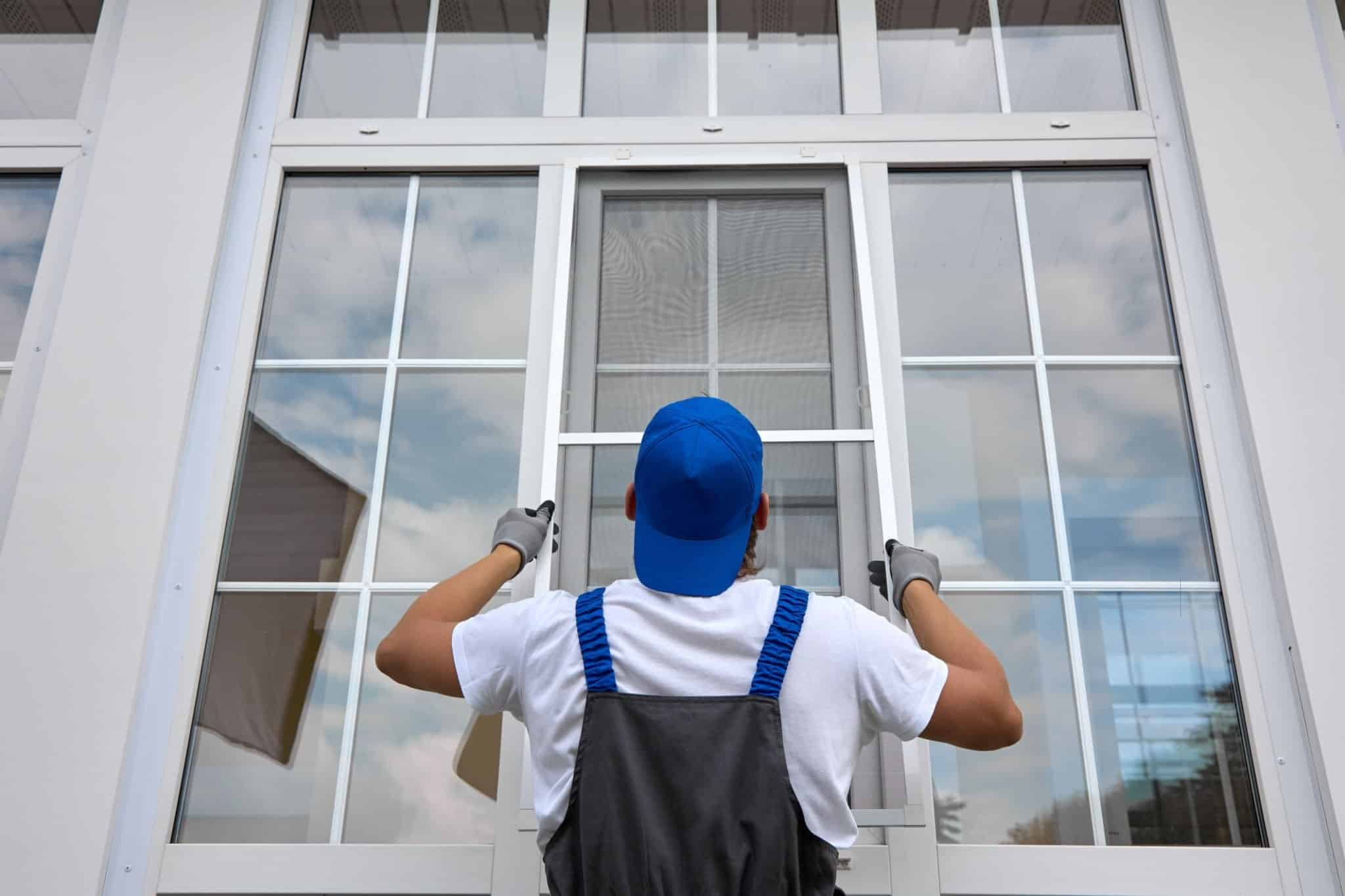
Most homeowners do not want to memorize technical terms. They want to know what to look for when comparing options. Here are practical “feel” and “function” signals that often indicate stronger build quality.
Look for:
- Smooth operation without force
- Locks that pull the sash tight and stable
- Consistent gaps around the sash when closed
- A solid feel at corners and meeting rails
- Screens that fit well and do not rattle
- Weatherstripping that looks continuous and well-placed
Then ask:
- Which glass package is recommended for your home’s exposure
- How the installation will handle perimeter sealing and water management
- What warranty covers (frame, hardware, glass seal)
If the answers are vague, that is usually a sign that the plan is not as detailed as it should be.
Common Performance Issues And What They Usually Mean
These are the issues homeowners most often notice first. The key is not just identifying the symptom, but recognizing what category the symptom falls into.
Hot Room Or Cold Draft Near The Window
Often means:
- Glass package not suited for exposure
- Perimeter air sealing issues around the frame
- Weatherstripping wear or lock-up weakness
Safe checks:
- Track which rooms feel hottest and when
- On windy days, check for air movement near corners
- Lock the window and see if the seal tightens
Fog Between Glass Panes
Often means:
- Insulated glass seal failure
Safe checks:
- Wipe both sides of the glass. If fog does not change, it is likely inside the glass unit
Sticking Or Hard Operation
Often means:
- Track debris, balance stress, or alignment issues
- Squareness issues in the opening can show up as sticking
Safe checks:
- Confirm it is unlocked before operating
- Inspect tracks for grit and debris
- Do not force the sash if it binds
Water Stains Around Trim Or Sill
Often means:
- Water management or flashing issues
- Exterior sealing failure or drainage pathway problems
Safe checks:
- Look for new staining after storms
- Inspect exterior sealant lines
- Do not “patch” deeper components without evaluation
What not to do:
Do not force stuck sashes or attempt to “re-seal” deeper components without professional evaluation. Water management errors can get worse when patched incorrectly, and forcing operation can damage hardware or alignment.
InterNACHI explains what U-factor means, which helps connect “hot glass” complaints to actual performance numbers.
If you are trying to time replacement based on symptoms, read When Is It Time To Replace Old Windows With Vinyl?.
Tips For Vinyl Window Performance
These homeowner-safe habits reduce common issues and help you catch problems early.
- Keep tracks clear of grit and storm debris, especially after windy weather
- Use locks regularly so the sash stays pulled tight
- Watch for early signs of glass seal failure, such as persistent fogging between panes
- After major storms, check for new staining or water marks near window corners
- If one room suddenly feels hotter, check whether the change aligns with sun exposure or shading changes
- If a window starts sticking, stop forcing it and check for track debris first
Small checks can prevent small issues from spreading into bigger ones.
When To Step Back And Bring In A Professional
A window that “sort of works” can still signal a bigger issue, especially around water entry. The earlier a pro evaluates it, the more likely you are to avoid interior damage and repeated fixes.
Bring in help if you see:
- Water stains, bubbling paint, or soft drywall near a window
- Fog between panes that does not clear
- Sashes that stick and require force
- Drafts that remain after simple cleaning checks
- Repeated condensation issues are tied to one area only
Even if you are not ready to replace, evaluation helps you understand whether the issue is product-related, sealing-related, or opening-integration related.
How To Evaluate Vinyl Window Performance In North Richland Hills, TX
If you want vinyl windows to deliver real comfort in North Richland Hills, focus on the details that actually change day-to-day living: a stable multi-chamber frame that fits your opening size, corners that stay tight over time, weatherstripping and lock-up that pull the sash snug, and a glass package chosen for your home’s sun exposure rather than a generic option.
North Texas Home Exteriors can assess your current windows, identify what is causing drafts, fog between panes, sticking sashes, or moisture marks, and recommend the right window package for your home in North Richland Hills. Contact us or give us a call to schedule your assessment.