
Vinyl windows are popular because they solve everyday comfort and maintenance frustrations without demanding a lot of ongoing upkeep. In North Richland Hills, TX, that matters. Long hot seasons, strong sun exposure, humidity swings, and stormy weeks can make older windows feel drafty, sticky, noisy, or inconsistent from room to room. When the same windows that “used to be fine” suddenly feel harder to live with, many homeowners start looking for a replacement option that brings comfort back without adding another long-term maintenance project.
This guide explains the real reasons homeowners choose vinyl, what to watch for so you avoid common regrets, and how to make sure the windows you select actually perform well in the day-to-day conditions North Richland Hills homes deal with.
Quick Answer
Homeowners often choose vinyl windows because they are typically low-maintenance and can deliver strong comfort when paired with the right glass package and a tight installation plan. The biggest difference is usually not just how the window looks. It is how the window seals, how the glass manages heat and light, how smoothly the sash operates, and how well the perimeter of the window is integrated with the wall opening so drafts and water are not given an easy path inside.
If you need a clear definition first, read What Is a Vinyl Window?.
Lower Maintenance Is The Biggest Day-To-Day Benefit
Many window decisions are really “maintenance decisions,” even if homeowners do not call them that. Some window systems quietly require ongoing attention over the years, especially once they have seen enough seasons of sun exposure, wind, and storm-driven moisture. Vinyl is often selected because it usually reduces the ongoing workload.
What homeowners like most about vinyl from a routine perspective:
- The frame surface is typically simple to clean and stays consistent-looking with basic care
- The system is usually designed to be set it and live with it, not maintain it like a project
- Small seasonal changes tend to be less stressful when the window stays aligned and seals tightly
What to check so you avoid disappointment:
- Ask whether the frame finish cleans easily and resists stubborn film buildup
- Check how the corners and meeting areas are built, because those spots collect dust and show wear first
- Make sure screens are easy to remove and reinstall without bending or popping out of their channels
Comfort Improves When The Glass Package Matches Texas Heat
Many homeowners think “vinyl” is the comfort upgrade. In reality, comfort often comes from the glass package you select with the vinyl frame and how tightly everything seals once installed.
In North Richland Hills, the most common comfort complaint is heat gain in sunny rooms, especially where the afternoon sun hits hard. Even when the home is cooled, the area near sunny glass can feel harsh, and some rooms can run warmer than the rest. A strong glass package can reduce that “hot window wall” feeling and help your HVAC cycle more evenly.
What to check:
- The NFRC label details, especially U-factor and SHGC, because those numbers help explain how the window handles heat and solar gain
- Low-E coatings are suited for hot climates, because they are often a major comfort driver
- Spacer system type, because edge-of-glass comfort can matter when temperatures swing
Vinyl is a strong frame choice, but your comfort gains usually come from choosing glass that fits your exposure, not a one-size-fits-all option.
If you want the deeper “what it’s made of and why it performs that way” breakdown, read What Vinyl Windows Are Made Of And How They Perform.
Vinyl Often Handles Humidity Swings Better Than Homeowners Expect
Texas homes can shift from dry indoor air to humid conditions quickly, especially after storms or during seasonal transitions. That can amplify small window issues like minor drafts, sticky operation, or interior condensation. Vinyl frames are designed to be stable through normal seasonal changes, which is one reason homeowners often feel vinyl performs “steadier” through the year.
What to check:
- Weatherstripping condition and compression when locked, because that is where air control often happens
- Weep pathways are present and not blocked, because the system needs a safe way to manage incidental moisture
- Exterior sealing is clean and continuous where it should be, because small gaps can become big problems during wind-driven rain
Many Homeowners Like Vinyl Because It Can Reduce Outside Noise
Noise control is often a surprise benefit, especially near busier roads, school routes, or active neighborhoods. Vinyl frames can help, but the biggest noise improvement usually comes from a combination of glass selection and sealing.
Noise improvement is typically driven by:
- Glass options designed to reduce sound transmission
- Improved sealing and tighter lock-up that eliminates tiny air gaps
- Installation that seals the perimeter correctly so sound doesn’t slip in around the frame
What to check:
- Ask whether upgraded glass options are available for sound control
- Confirm how the window seals at the meeting rail and corners, because that is where leaks often happen
- Make sure the installation plan includes proper perimeter air sealing, because a small perimeter gap can act like a sound tunnel
For a homeowner-friendly overview of noise-reduction windows and what typically makes the biggest difference, Angi explains the most common approaches.
Vinyl Is Often A Strong Value Over Time, Not Just Up Front
Homeowners are usually balancing three goals:
- Comfort now
- Fewer recurring issues later
- Reliability through storms and heat
Vinyl is often selected because it delivers a steady, predictable ownership experience when the product grade is solid and the installation is done with care. You are not committing to constant upkeep, and you can still get strong energy performance with the right build and glass package.
What to check so the “value” is real:
- Warranty coverage details, including the frame, hardware, and glass seal
- Hardware feels during operation, because smooth, tight movement often signals better long-term usability
- Build grade, because basic builder-grade windows and higher-grade windows can perform very differently, even if they share the same broad category label
Consumer Reports provides a practical overview of what to compare when choosing replacement windows, including features and installation considerations.
Vinyl Works Best When You Choose The Right Grade For Your Home
One common homeowner mistake is assuming every vinyl window is built for the same duty level. In reality, window performance depends on the design details and whether the unit is a good match for the opening size, exposure, and use.
A few examples of what “match” means in real life:
- Large openings may need a window design built to stay stable over time
- High-sun exposure rooms may benefit most from a stronger solar-control glass package
- Rooms that need frequent airflow may do best with a style that seals tightly and operates smoothly
The Real Dealbreaker Is Installation, Not The Frame Material
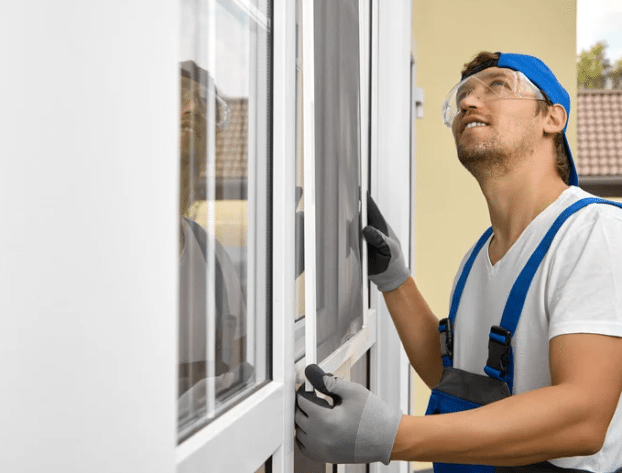
This is the part many homeowners learn too late: a strong vinyl window can underperform if the installation is weak. Most “replacement window disappointment” stories trace back to perimeter sealing, water management details, or an opening that was not prepared correctly.
Common results of weak installation:
- Drafts that never go away
- Water intrusion during storms
- Sashes that stick or tilt
- Premature stress on the glass seals because the unit is not sitting square
What to check before you agree to the project:
.
- How the opening will be prepared and squared, because a window that isn’t set correctly can bind and leak
- How water management will be handled, including flashing details and drainage planning
- How perimeter air sealing will be done, because gaps around the frame defeat even the best window
- How existing damage will be addressed if it is found, because covering problems can lead to repeated issues
If you are unsure whether your windows are truly failing or just uncomfortable, read When Is It Time To Replace Old Windows With Vinyl?.
Tips Before You Commit To Vinyl
Here are homeowner-safe ways to choose smarter without turning this into a technical deep dive.
Check your home’s problem zones:
- Rooms that run hotter than others at the same time of day
- Windows that rattle or whistle in the wind
- Areas where condensation seems more common than the rest of the home
- Trim areas that show staining, bubbling paint, or soft spots
- Windows that feel sticky or require extra effort to operate
Match the solution to the problem:
- Heat gain: prioritize glass designed for solar control and confirm it matches the sun exposure
- Drafts: prioritize lock-up tightness, weatherstripping quality, and perimeter sealing approach
- Noise: ask about sealing details and glass options that support sound control
- Watermarks: prioritize water management planning and correct integration with the opening
Avoid these common mistakes:
- Assuming all vinyl is the same
- Choosing based only on appearance
- Skipping details on how water is managed during storms
- Ignoring how the perimeter will be sealed to the wall system
- Over-focusing on one feature while overlooking the basics of sealing and installation
When Vinyl Might Not Be The Best Choice
Vinyl is a strong option, but it isn’t automatically the best choice for every home. In some cases, homeowners may prefer a different style, a specific architectural look, or a specialized solution for unique openings. The best choice is the one that aligns with your home’s conditions and your expectations for long-term performance.
Next Steps For Evaluating Vinyl Windows In North Richland Hills, TX
If you are weighing vinyl windows, the smartest next step is to evaluate your current window performance, confirm whether your issues are coming from sealing, glass performance, or installation details, and then match the window package to your home’s sun exposure and airflow needs. A short, focused evaluation can help you avoid guessing, avoid unnecessary features you do not need, and focus on the upgrades that actually change comfort in day-to-day living.
North Texas Home Exteriors can review your current windows, identify what is driving drafts, heat gain, fogging, or sticking sashes, and recommend the right vinyl window package for your home in North Richland Hills. Contact us or give us a call to schedule an assessment.