Hardie Board is changing the way we think about siding. So, what is Hardie Board? It’s a strong, fiber-cement material made from Portland cement, cellulose fibers, and other ingredients. Created by James Hardie Industries, it offers a stylish look, low maintenance, and durability. Homeowners and builders are turning to Hardie Board in 2024 for its ability to handle tough weather while staying eco-friendly.
Hardie Board is a top choice for durable siding in North Richland Hills, TX. It’s strong, eco-friendly, and perfect for modern homes. Offering excellent protection and stylish design options, it boosts curb appeal while lasting for years. Whether upgrading siding or starting fresh, Hardie Board delivers trusted quality. Discover why it’s a favorite among homeowners and builders.
 Hardie Board is a unique composite material that combines cement’s strength with cellulose fibers’ flexibility. The primary components of Hardie Board are:
 Hardie Board has gained widespread popularity due to its numerous advantages, making it a favored choice among homeowners, contractors, and builders. Here are some of the key benefits of using Hardie Board:
 Hardie Board is eco-friendly, made from sustainable materials that reduce environmental impact. It also contributes to green building certifications, making it a responsible and durable choice for environmentally conscious homeowners and builders.
 Hardie Board’s versatility and performance characteristics make it suitable for a wide range of applications in both residential and commercial settings. Here are some of the most common uses for Hardie Board:
What Is Hardie Board Made Of?
 Hardie Board is a unique composite material that combines cement’s strength with cellulose fibers’ flexibility. The primary components of Hardie Board are:
- Portland Cement: This key ingredient provides the backbone of Hardie Board, lending it exceptional durability and resistance to weathering and moisture.
- Cellulose Fibers: Derived from wood sources, these fibers act as reinforcement, enhancing the material’s flexibility and impact resistance.
- Sand and Silica: These mineral additives contribute to the overall strength and dimensional stability of Hardie Board.
- Water: The addition of water allows for proper hydration and curing of the cement mixture, ensuring a strong and durable final product.
The Benefits of Using Hardie Board
 Hardie Board has gained widespread popularity due to its numerous advantages, making it a favored choice among homeowners, contractors, and builders. Here are some of the key benefits of using Hardie Board:
Durability
Hardie Board is built to handle harsh weather, including extreme heat, freezing temperatures, and moisture. Its strong fiber-cement material ensures long-lasting performance, reducing the need for frequent replacements and keeping your home protected year-round.Fire Resistance
Hardie Board has a non-combustible core, offering outstanding fire resistance. This safety feature provides homeowners with peace of mind and an added layer of protection against potential fire hazards, making it a reliable siding option.Low Maintenance
Hardie Board in North Richland Hills, TX, requires very little upkeep compared to wood or vinyl siding. Its durable surface resists cracking, fading, and warping, ensuring your home’s exterior remains fresh and visually appealing for many years.Versatility
Hardie Board comes in various styles, textures, and colors, making it easy to achieve your desired look. Whether modern or traditional, this siding complements many architectural designs while providing exceptional durability and visual appeal.Pest Resistance
Thanks to its cement-based composition, Hardie Board is resistant to termites, woodpeckers, and other pests that can damage siding. This pest resistance ensures your siding remains intact and maintains its appearance over time.Sustainability
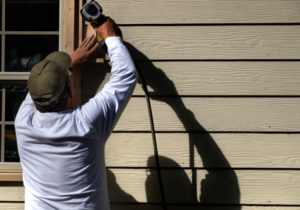 Hardie Board is eco-friendly, made from sustainable materials that reduce environmental impact. It also contributes to green building certifications, making it a responsible and durable choice for environmentally conscious homeowners and builders.
Hardie Board vs. Other Siding Options: Which Is Best?
When it comes to exterior cladding solutions, Hardie Board stands out from the crowd. Here’s how it compares to other popular siding materials: Hardie Board vs. Wood Siding:- Wood siding is susceptible to weathering, rot, and insect damage, requiring regular maintenance and eventual replacement.
- Hardie Board, on the other hand, is virtually impervious to these issues, offering superior durability and longevity.
- Vinyl siding can become brittle and crack over time, especially in extreme temperatures.
- Hardie Board maintains its structural integrity and resists fading, cracking, and warping, even in harsh climates.
- Aluminum siding is prone to denting and can be noisy during heavy rain or hail storms.
- Hardie Board’s fiber-cement composition provides excellent impact resistance and superior noise insulation.
- While brick and stone veneers offer durability, they can be costly and labor-intensive to install.
- Hardie Board provides a similar aesthetic appeal at a fraction of the cost and with easier installation.
Ways to Use Hardie Board for Your Home
 Hardie Board’s versatility and performance characteristics make it suitable for a wide range of applications in both residential and commercial settings. Here are some of the most common uses for Hardie Board: