If you are trying to decide between aluminum windows and vinyl windows, the honest answer depends on what matters most to you. Aluminum windows are stronger, hold up better in extreme weather, and support larger custom windows, while vinyl windows usually cost less upfront and insulate slightly better in colder climates.
For homeowners in North Richland Hills, TX, where summer heat and strong storms are part of everyday life, the decision often comes down to durability versus budget. This guide breaks down the real differences between aluminum vs vinyl windows so you can choose with confidence.
Comparing Aluminum Windows and Vinyl Windows Side by Side
Before choosing a window material, it helps to understand how aluminum and vinyl actually differ in structure and performance. Both materials are common choices for window replacement, but they behave very differently once installed. Knowing these differences upfront can save you from a costly mismatch later, especially if your home has unique window openings.
Frame Strength And Structural Support
Aluminum frames are naturally stronger than vinyl, which is why they are often used for larger window openings.
- Aluminum supports thinner frames without losing strength
- Vinyl frames need thicker profiles to stay rigid
- Aluminum resists warping under heavy Texas heat
- Vinyl can soften slightly in prolonged high temperatures
Weather Resistance In Hot And Stormy Climates
Homes in North Texas deal with intense summer heat, sudden storms, and occasional high winds, so weather resistance matters more here than in milder regions.
- Aluminum holds its shape during temperature swings
- Vinyl can expand and contract more with heat
- Aluminum handles wind pressure well in custom sizes
- Vinyl performs fine in moderate climates but less so in extremes
If you want a deeper breakdown of the value side of this decision, our guide on What Makes Aluminum Windows Worth The Investment? walks through the long-term benefits in detail.
Strength And Durability Differences Between The Two Materials
Durability is one of the biggest reasons homeowners choose aluminum windows over vinyl. Aluminum is a metal, so it naturally resists denting, cracking, and long-term wear better than a plastic-based material like vinyl. This matters most in a climate like North Texas, where windows face repeated cycles of heat, sudden temperature drops, and strong winds. This section focuses on how each material holds up over the years of daily use.
How Each Material Handles Daily Wear
- Aluminum resists cracking around corners and joints
- Vinyl can become brittle over many years of sun exposure
- Aluminum frames rarely need major repair for structural issues
- Vinyl frames may develop stress cracks near hardware areas
Long Term Lifespan Expectations
Every window’s lifespan depends on installation quality, climate, and maintenance, so there is no single number that fits every home. Generally speaking, aluminum windows tend to have a longer functional lifespan in hot climates, while vinyl windows can last just as long in milder, more moderate regions. Homeowners who choose vinyl in a hotter climate sometimes see earlier signs of wear near seals and joints, simply because the material responds more to heat than aluminum does. That does not mean vinyl is a poor choice everywhere, but it does mean climate should factor into the decision.
If you want to understand what impacts window lifespan more directly, our article on Why Aluminum Windows Last Longer In Any Climate goes further into the specifics.
Energy Efficiency And Insulation Performance
Energy efficiency is where vinyl windows sometimes get an edge, but it is not as simple as one material always winning. The type of glass, the number of panes, and the quality of installation matter just as much as the frame material itself.
Insulation Differences Between Aluminum And Vinyl
- Vinyl naturally insulates slightly better due to its material properties
- Aluminum can conduct more heat unless it includes a thermal break
- Modern aluminum windows with thermal breaks close much of this gap
- Vinyl vs aluminum windows performance depends heavily on glass upgrades
What Actually Affects Energy Bills More
Frame material is only one piece of the energy efficiency puzzle, and many homeowners overestimate how much it matters compared to the other factors listed below.
- Number of glass panes used in the window
- Quality of the seal around the frame
- Professional installation versus a rushed job
- Window orientation and sun exposure on the home
- Age and condition of the existing window before replacement
Maintenance Needs For Aluminum And Vinyl Windows
Maintenance is a practical, everyday concern for homeowners, and it is one of the clearest differences between these two materials. Aluminum requires very little upkeep, while vinyl can need a bit more attention over time, especially in sunny climates like North Richland Hills.
Upkeep Aluminum Windows Typically Need
- Occasional cleaning of tracks and frames
- Checking weatherstripping for wear every few years
- Inspecting hardware to confirm smooth operation
- Rinsing away dust and pollen buildup during spring
Upkeep Vinyl Windows Typically Need
- Cleaning frames to prevent discoloration from sun exposure
- Checking for warping near heat sources
- Inspecting seals more frequently in extreme heat
- Lubricating moving parts to keep the tracks working smoothly
For homeowners who want an outside expert’s take on how material choice affects long-term care, This Old House put together a detailed breakdown of aluminum vs. vinyl performance that is worth reviewing before you decide.
Style, Design, And Custom Window Options
Beyond performance, style plays a big role in the material homeowners choose. Aluminum tends to offer more flexibility for custom windows, while vinyl comes in a wider range of colors right out of the box. Homeowners updating an older home often weigh how much the frame will show against the wall color and overall exterior style.
Design Flexibility With Aluminum
- Thinner frames allow more glass and natural light
- Better suited for large custom windows and modern designs
- Available in a range of powder-coated finishes
- Holds paint and finish well over time
- Works well with contemporary and transitional home exteriors
Design Flexibility With Vinyl
- Wide range of factory colors and finishes
- Simple, classic appearance that fits many home styles
- Limited ability to support oversized custom windows
- Fewer options for slim frame, modern aesthetics
- Popular choice for traditional-style homes in established neighborhoods
Cost Considerations Without Guessing At Exact Numbers
Cost is always part of the conversation, but exact pricing depends on so many factors that it varies significantly from home to home. Rather than quoting numbers that may not apply to your project, it helps to understand what actually drives the cost difference between these two materials. Two homes on the same street can end up with very different totals depending on window count, glass upgrades, and how much custom work is involved.
What Influences The Overall Investment
- Size and number of windows being replaced
- Whether the project involves custom windows or standard sizes
- Type of glass and any added coatings
- Labor and installation complexity for your specific home
Generally, vinyl tends to have a lower upfront cost, while aluminum may cost more initially but often requires less long-term upkeep. The right answer really depends on your budget, priorities, and how long you plan to stay in your home.
If your home is due for a full window replacement, our guide on When To Choose Custom Aluminum Windows For Replacement can help you figure out the right timing.
Which Material Fits North Richland Hills Homes Best
Local climate should weigh heavily into this decision. North Richland Hills experiences hot summers, strong storms, and enough humidity swings to put real stress on window materials over the years. Homes in this area often benefit from materials that hold their shape and resist warping under heat, which is a natural strength for aluminum.
Local Factors Worth Considering
North Richland Hills homeowners deal with a specific mix of weather patterns that can wear down window materials faster than in cooler regions, so it helps to plan around these realities rather than ignore them.
- Long stretches of high summer heat
- Occasional severe storms and high winds
- Humidity changes between seasons
- Older homes with non-standard window openings
- Direct sun exposure on west-facing walls throughout the year
Homeowners who want to compare other frame materials beyond just these two can check out this overview of window frame types, pros and cons from Angi, which covers additional options some Texas homeowners consider.
Making The Right Window Choice For Your Home
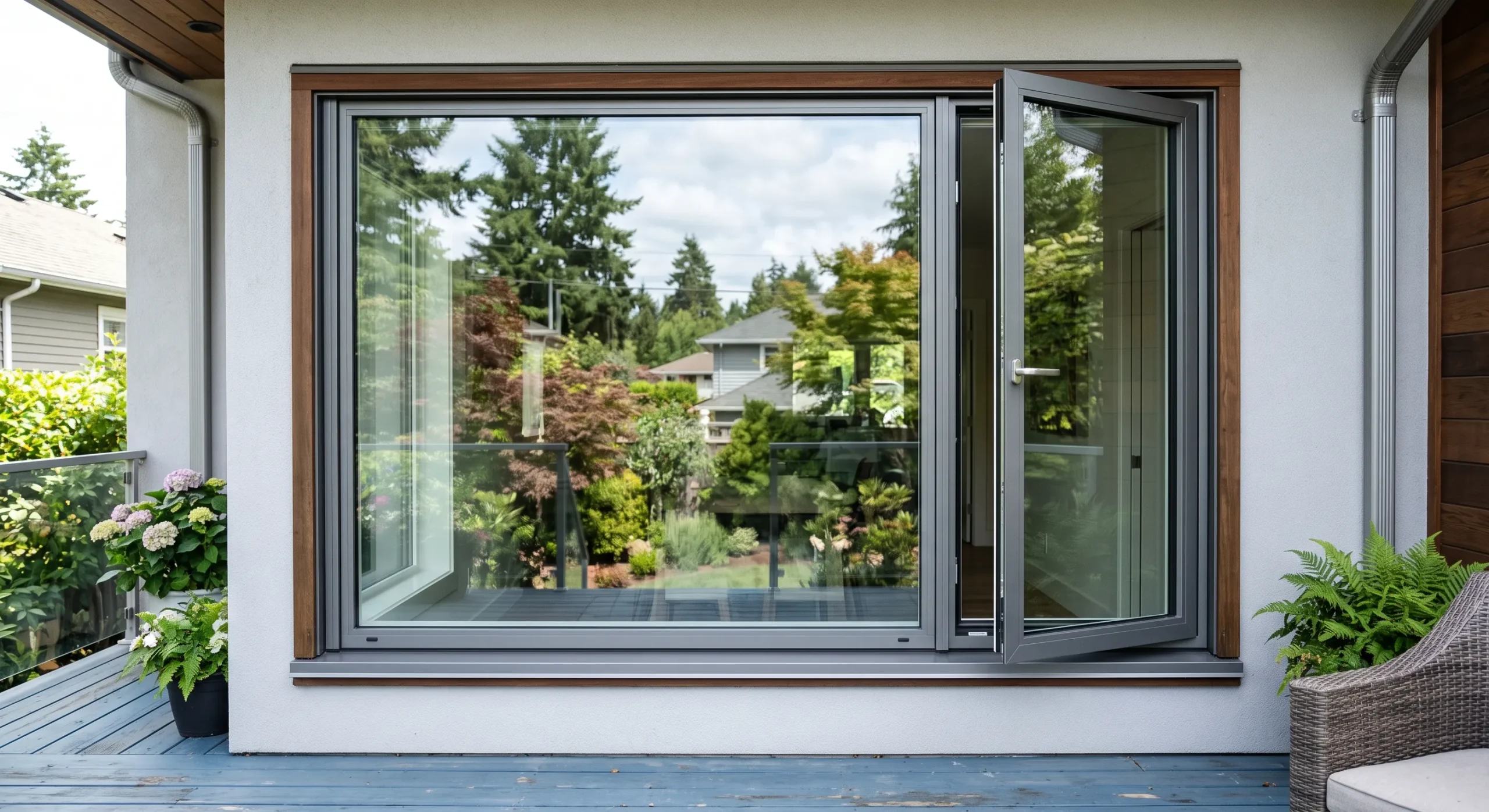
Choosing between aluminum windows and vinyl windows really comes down to priorities. If long-term durability, custom window sizing, and strength against Texas weather matter most, aluminum is usually the stronger pick. If a lower upfront cost and simple maintenance matter more, vinyl is a solid, dependable choice. Both materials can serve a home well when installed correctly by an experienced professional.
North Texas Home Exteriors has helped homeowners throughout North Richland Hills and the surrounding area weigh these exact decisions, from full window replacement projects to custom window installations built for Texas weather. If you are ready to talk through your options with a professional who understands local conditions, contact us or give us a call to get started.