A truly energy-efficient replacement window in North Texas comes down to four things: a Low-E glass coating, an argon or krypton gas fill between panes, double- or triple-pane construction, and a tight, professional installation. Frame material plays a role too, but the glass package usually moves your energy bill more than the frame itself does, and that holds whether you’re ordering standard sizes or custom windows for a unique opening.
Skip any one of these four, and you’re leaving performance on the table, no matter how good the frame looks.
Key Takeaways
- Low-E coatings reflect heat before it enters your home, which matters most on west- and south-facing windows that catch full Texas sun.
- Argon or krypton gas fill between panes insulates far better than plain air, and it’s a low-cost upgrade relative to what it does for performance.
- Double-pane is the practical minimum in North Texas; triple-pane adds a real but smaller benefit at a noticeably higher cost.
- Frame material matters less than glass for energy efficiency, though a poor frame can still undercut a great glass package.
- Installation quality can make or break performance. Even the best window leaks energy if it isn’t sealed correctly.
- Orientation matters: a window’s efficiency needs differ depending on whether it faces west, south, north, or east.
Energy-Efficiency Factors: Quick Comparison
Factor | What It Does | Impact on North Texas Heat |
Low-E coating | Reflects heat/UV before it enters | High |
Gas fill (argon/krypton) | Insulates between panes | Moderate-High |
Pane count | More panes = more insulation layers | Moderate |
Frame material | Affects heat transfer through frame | Low-Moderate |
Installation quality | Determines air-tightness of the seal | High |
Window orientation | Determines how much sun exposure matters | Varies by room |
Low-E Coatings: The Invisible Layer That Blocks Heat
Low-E, short for low-emissivity, is a microscopically thin metallic coating applied to the glass. It reflects heat and UV rays back outside in summer, and reflects indoor heat back inside during winter, without noticeably changing how much light comes through.
Why it matters most here: North Texas summers push west- and south-facing windows to work overtime. A Low-E coating is the single biggest lever for cutting how much of that heat actually makes it into your living room.
Do You Need Low-E on Every Window, or Just Some?
It’s worth having on every window, but it’s non-negotiable on west- and south-facing rooms that catch direct afternoon sun.
If you’re comparing window materials before you get to the glass package, our guide on What Replacement Windows Are Best for Your Home? 7 Types Compared covers that decision first.
Gas Fills: Why Argon and Krypton Beat Plain Air
Between the panes of a double- or triple-pane window sits either regular air or an inert gas, usually argon, sometimes krypton. Both gases conduct heat more slowly than air, which means less heat transfer through the window overall.
The trade-off:
- Argon is the standard choice: noticeably better than air, moderate cost increase
- Krypton performs even better but costs more, and the gap in performance versus argon is smaller than the price gap suggests for most homes
- Either gas will slowly leak out over decades, though quality seals slow this dramatically
Is the Gas Fill Upgrade Worth It?
For most North Richland Hills homes, argon is the sweet spot between cost and performance. Krypton makes more sense on smaller, harder-to-insulate openings where every bit of performance counts. For a breakdown of how gas fill factors into a window’s official energy rating, see NFRC’s Consumer Guide to the NFRC Label.
Pane Count: Double vs. Triple in a Hot Climate
Double-pane glass is the practical baseline for any modern replacement window; single-pane doesn’t hold up in our climate at all. Triple-pane adds a third layer of glass and another gas-filled gap, which further slows heat transfer.
The honest trade-off: Triple-pane’s efficiency gain over double-pane is real but smaller than the jump from single-pane to double-pane. It also adds noticeable weight and cost. In North Texas specifically, most homeowners get excellent performance from double-pane with a strong Low-E coating and gas fill, without paying triple-pane prices.
When Does Triple-Pane Actually Make Sense?
Mostly on homes with extreme noise concerns or unusually harsh sun exposure where every incremental gain counts. For most rooms, double-pane with the right glass package covers the need.
Frame Material’s Role, and Its Limits
Frame material affects energy efficiency, but less than most homeowners expect. Vinyl and fiberglass both insulate well on their own. Aluminum conducts heat and needs a thermal break to compete. Wood insulates naturally but needs cladding to hold up long-term in our climate.
The bottom line: A great glass package on a mediocre frame will usually outperform a mediocre glass package on a great frame. Get the glass right first, then choose a frame that fits your budget and style.
If you want to see how vinyl and fiberglass compare on long-term upkeep, read Vinyl or Fiberglass Windows: Which One Needs Less Maintenance?
Installation Quality: The Factor Nobody Asks About
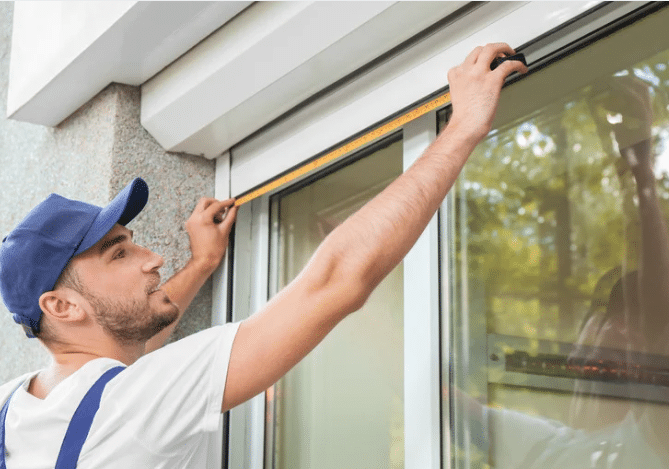
Even a top-tier window with Low-E glass, argon fill, and a great frame will underperform if it’s installed poorly. Gaps around the frame, insufficient insulation, or a rushed seal let air leak around the window, not through it, and that holds true no matter which operating style you choose.
Signs of a poor installation:
- Drafts you can feel near the frame, not just the glass
- Visible gaps in the caulking or trim
- A noticeable temperature difference near the window compared to the rest of the room
How Do You Make Sure Your Installation Doesn’t Undercut Your Window?
Ask your installer specifically about their sealing and insulation process around the frame, not just the window product itself. A rushed installation can erase most of the benefit you paid for in the glass package.
If you’re still deciding on a style, read Double-Hung vs. Sliding Windows: Which Is Best?
For a closer look at how much rides on the install itself, see Angi’s window installation checklist.
Orientation and Sun Exposure: Tailoring Efficiency Room by Room
Not every window in your home faces the same energy challenge. West-facing rooms take the brunt of Texas afternoon heat. South-facing rooms get consistent sun most of the day. North-facing rooms deal with the least heat gain but can lose warmth in winter. East-facing rooms catch morning sun and cool off by afternoon.
What this means practically: You don’t necessarily need the highest-spec glass package on every window in the house. Prioritizing your west- and south-facing rooms for the strongest Low-E coating and gas fill often makes more sense than spreading the budget evenly.
Should You Upgrade Every Window the Same Way?
Not necessarily. Matching the glass package to each window’s orientation gets you the most performance for your budget, rather than treating every window identically regardless of which way it faces.
Ready to Build an Energy-Efficient Window Package for Your Home?
The frame gets most of the attention, but the glass package, Low-E coating, gas fill, and pane count are what actually drive energy performance in North Texas heat. Add a professional installation and a plan that accounts for which way each room faces, and you’ve covered every factor that matters.
North Texas Home Exteriors can walk your home room by room and recommend the right glass package for each window’s sun exposure. Contact us or give us a call to schedule your free window replacement quote today and get a same-week visit from a licensed local technician.