Double-hung windows are usually the better fit for kitchens, bathrooms, and any spot near a counter or sink, since both sashes tilt in for easy cleaning and top-only ventilation. Sliding windows tend to win in wider openings, over patios, or anywhere a clear, unobstructed view matters more than fine-tuned airflow control, and both styles are available as custom windows when a standard size won’t fit.
Neither style is “better” across the board. The right pick depends on the room, the opening size, and how much of the view you want left uninterrupted.
Key Takeaways
- Double-hung windows open vertically and both sashes typically tilt inward, making them the easiest style to clean from inside the home.
- Sliding windows open horizontally and tend to fit wider openings better, especially where a full pane of unobstructed glass matters.
- Ventilation control is more flexible with double-hung, since you can crack the top, the bottom, or both.
- Sliding windows generally seal slightly less tightly at the horizontal track than double-hung seals at the sash meeting rail, though quality hardware narrows this gap.
- Double-hung tends to look more traditional; sliding windows lean more modern and open.
- Cost is close between the two for a given size; the bigger cost driver is usually the opening size, not the operating style.
Double-Hung vs. Sliding Windows: Quick Comparison
Factor | Double-Hung | Sliding |
Opening direction | Vertical (up/down) | Horizontal (side to side) |
Ventilation control | High: top, bottom, or both | Moderate: one side open at a time |
Ease of cleaning | Easiest: sashes tilt in | Moderate: track needs regular cleaning |
Best opening width | Narrow to medium | Medium to wide |
Typical seal tightness | Slightly tighter | Slightly less tight (track-dependent) |
Look | Traditional | Modern, open |
Best for | Kitchens, baths, tall narrow openings | Wide openings, patios, modern rooms |
How Each Window Actually Opens
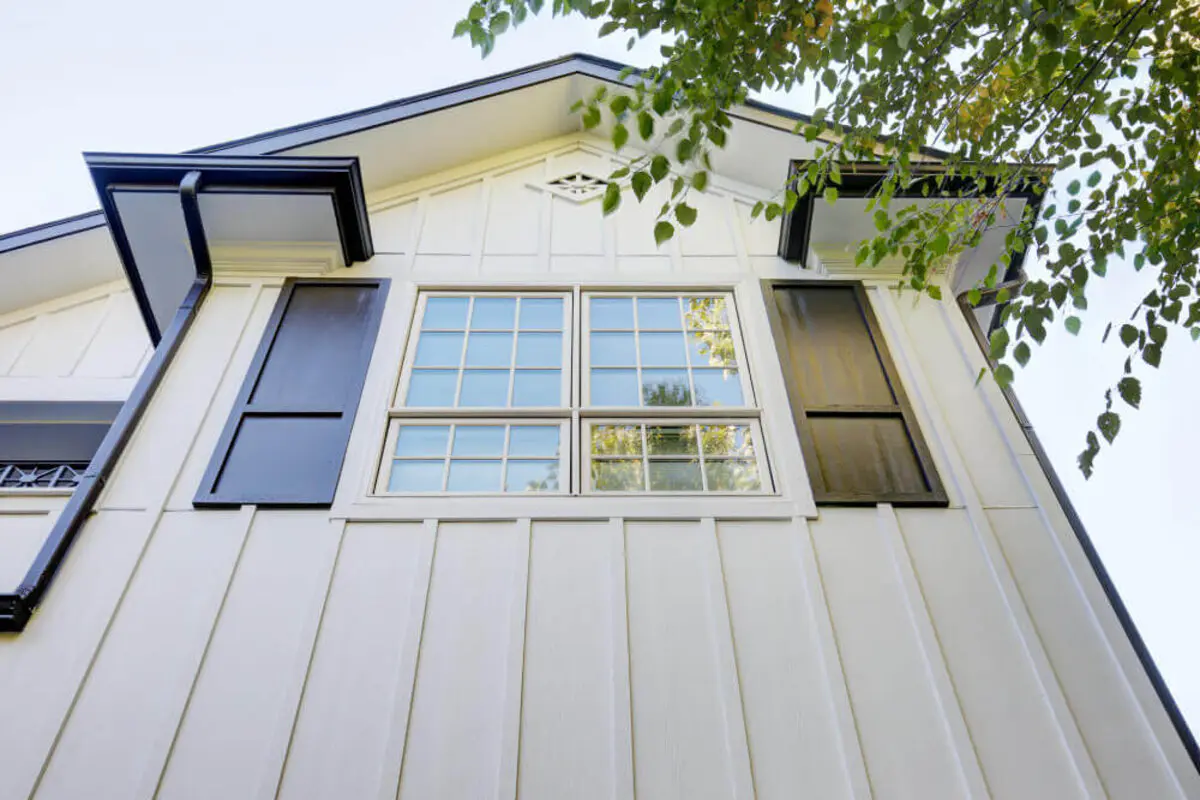
Double-hung windows have two sashes that slide up and down within the frame, and on most modern versions, both sashes tilt inward for cleaning. Sliding windows have one or more sashes that glide horizontally along a track, similar to a sliding glass door in miniature.
Why this matters more than it sounds: The direction a window opens determines how much of your view stays unobstructed, how much wall space it needs to operate, and how it handles wider openings.
Which Opening Style Fits Your Room’s Layout?
For narrow, tall openings, double-hung is the natural fit. For wide openings, especially where you want a full, uninterrupted pane, sliding tends to look and perform better.
Our full comparison of all seven replacement window types is a useful starting point if you haven’t settled on a material yet, either: What Replacement Windows Are Best for Your Home? 7 Types Compared.
Ventilation: Which Gives You More Control?
Double-hung windows let you crack the top sash, the bottom sash, or both at once, which creates a natural convection effect: warm air escapes up top while cooler air enters below. That’s genuinely useful in a Texas summer evening when you want airflow without blasting the AC.
Sliding windows open to one side, giving you a wide opening for airflow but less fine-tuned control over where that air enters and exits the room.
In short: If you like adjusting exactly how a room breathes, double-hung wins. If you just want to let a lot of air in fast, sliding does that well too. On especially hot days, smart ventilation matters for safety too; see the National Weather Service’s guidance on staying safe in extreme heat.
Cleaning and Maintenance: The Kitchen and Bathroom Test
This is where double-hung usually pulls ahead for one simple reason: both sashes tilt inward, so you can clean the outside glass from inside your home without a ladder. That’s a real advantage over a second-story bathroom window or anything above a kitchen sink.
Sliding windows don’t tilt in the same way, and the horizontal track can collect dust, pollen, and debris that needs regular attention to keep the window gliding smoothly.
Where this tips the decision: Rooms where you’d otherwise need a ladder or an awkward reach to clean, like above a kitchen sink or in a tall stairwell window, generally favor double-hung.
For general glass care once your windows are in, see our guide on How Do You Clean Double-Pane Windows.
For more general technique tips, see Bob Vila’s guide to cleaning windows.
Energy Efficiency: Where the Seal Actually Lives
Double-hung windows seal where the two sashes meet in the middle, called the meeting rail. Sliding windows seal along a horizontal track. Both can perform well with quality weatherstripping and hardware, but double-hung tends to hold a slightly tighter seal over time since there’s no track for debris to compromise.
The bigger factor either way: Glass package. Low-E coatings, gas fills, and pane count usually move the energy-efficiency needle more than the choice between double-hung and sliding.
If energy performance is the main deciding factor, read What Makes a Replacement Window Energy-Efficient?
Cost: Is One Style Actually Cheaper?
For a given opening size, double-hung and sliding windows typically land in a similar price range. The bigger swing in cost usually comes from the size of the opening and the frame material you choose, not the operating style itself.
Quick cost snapshot:
- Narrow, standard-size openings: double-hung and sliding cost about the same
- Very wide openings: sliding sometimes edges out slightly ahead, since it avoids the extra hardware a wide double-hung sash would need
Which Style Gives You More for Your Money?
Neither style has a clear cost edge on its own. The better question is which one fits your opening size and how you use the room, since that’s what actually determines value here.
If long-term upkeep is the deciding factor instead, read Vinyl or Fiberglass Windows: Which One Needs Less Maintenance?
Ready to Decide Which Window Style Fits Your Home?
There’s no universal winner between double-hung and sliding, only the style that fits the room you’re putting it in. Kitchens, bathrooms, and tall narrow openings tend to favor double-hung’s tilt-in cleaning and fine ventilation control. Wide openings, patios, and modern spaces tend to favor sliding’s clean, unobstructed look.
Not sure which fits a specific room in your house? North Texas Home Exteriors can walk through your home room by room and recommend the style that actually works for each opening. Contact us or give us a call to schedule your free window replacement quote today and get a same-week visit from a licensed local technician.