Choosing between fiberglass windows and vinyl windows can feel tricky, but it doesn’t have to be. Fiberglass windows are strong, last a long time, and help cut energy bills over the years. Vinyl windows, on the other hand, are budget-friendly and do a great job keeping your home insulated. If you’re still unsure, reach out to expert window repair in North Richland Hills, TX, to find the best fit for your needs.
Both fiberglass and vinyl windows offer unique benefits, so it’s all about what works best for your home and budget. Fiberglass may cost more upfront but saves money over time, while vinyl offers immediate savings with reliable performance. Need help deciding? Contact professional window contractors for advice and solutions that blend style, comfort, and savings effortlessly.


 Vinyl windows are durable but not as long-lasting as fiberglass. They can warp, fade, or weaken in extreme weather conditions. Regular cleaning and occasional maintenance, like lubricating moving parts, are necessary to keep vinyl windows working well and extend their lifespan. Both options offer good value, but fiberglass lasts longer.

 When selecting between fiberglass and vinyl windows, several factors should be taken into account:
Pros and Cons of Fiberglass Windows
1. Pros of Fiberglass Windows
Fiberglass windows are strong and last a long time, making them a great choice for durability. They don’t warp, crack, or get damaged by weather easily. These windows are energy-efficient, helping to lower heating and cooling costs. They also need very little maintenance over time.2. Cons of Fiberglass Windows
Fiberglass windows cost more upfront than vinyl windows, which can be a drawback for homeowners on a budget. The process of making fiberglass is more complex and uses more energy, raising environmental concerns. They also have fewer color and style options compared to vinyl, limiting design choices.Pros and Cons of Vinyl Windows
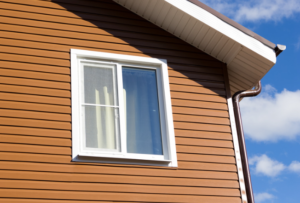
1. Pros of Vinyl Windows
Vinyl windows are affordable and a great choice for homeowners on a budget. They provide good insulation, which can help lower energy bills. These windows resist moisture and rot, making them perfect for damp areas. Vinyl windows are also easy to maintain and clean.2. Cons of Vinyl Windows
Vinyl windows don’t last as long as fiberglass and can warp or fade in very hot or cold weather. They might not be as strong, especially in tough climates. The process of making vinyl windows can release harmful chemicals, which raises environmental concerns.Which Is More Energy Efficient? Fiberglass or Vinyl Windows
Fiberglass windows are highly energy-efficient thanks to their strong insulating properties and advanced glass options. They help keep homes warm in winter and cool in summer, lowering energy costs. Fiberglass performs better in extreme climates, making it a top choice for reducing heating and cooling bills. Vinyl windows also offer good energy efficiency and insulation. While they may not match fiberglass in very hot or cold weather, newer vinyl window designs have improved a lot. They are a budget-friendly option for homeowners looking to save energy without spending too much upfront.Fiberglass vs. Vinyl: Durability and Maintenance
Fiberglass windows are extremely durable and resist moisture, temperature changes, and UV damage. They can last for decades with little maintenance, making them a long-lasting and reliable choice for homeowners. Proper installation ensures they maintain their strength and performance over time. Vinyl windows are durable but not as long-lasting as fiberglass. They can warp, fade, or weaken in extreme weather conditions. Regular cleaning and occasional maintenance, like lubricating moving parts, are necessary to keep vinyl windows working well and extend their lifespan. Both options offer good value, but fiberglass lasts longer.
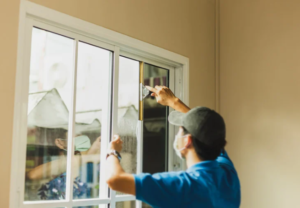
Cost Comparison: Upfront vs. Long-Term Savings
Fiberglass windows typically come with a higher upfront cost than vinyl options, which might deter some homeowners. However, their superior energy efficiency and durability lead to long-term savings on utility bills and maintenance, making them a worthwhile investment for those prioritizing longevity and reduced future expenses. Vinyl windows, while budget-friendly upfront, may require more frequent maintenance, repairs, or replacements over time. These accumulated costs can outweigh the initial savings, especially for homeowners seeking long-term value. Considering both initial and lifetime expenses helps ensure a financially sound decision tailored to individual needs and budgets.Environmental Impact of Fiberglass and Vinyl Windows
Fiberglass windows are a greener choice for homeowners. Their production uses fewer harmful chemicals and often includes recycled materials, and their long-lasting design means fewer replacements. This reduces waste and helps protect the environment, making fiberglass windows a smart option for those focused on sustainability. Vinyl windows, while popular and affordable, can impact the environment more. Their production uses non-renewable resources and may release harmful chemicals. Recycling and disposal of vinyl windows are also more challenging, which adds to their environmental footprint compared to fiberglass windows.Factors for Choosing Fiberglass or Vinyl Windows
 When selecting between fiberglass and vinyl windows, several factors should be taken into account: