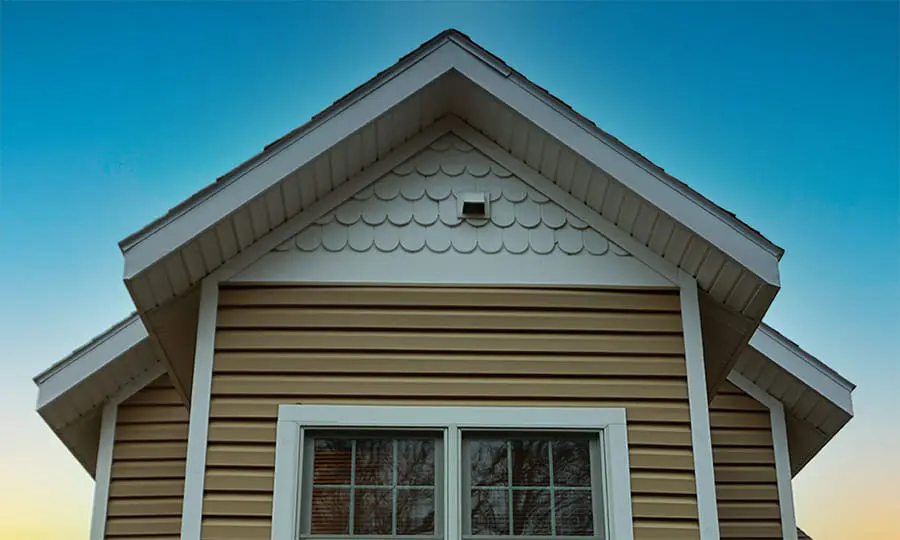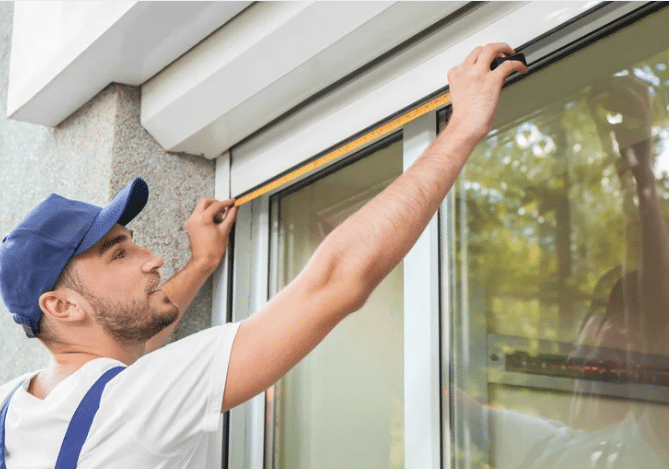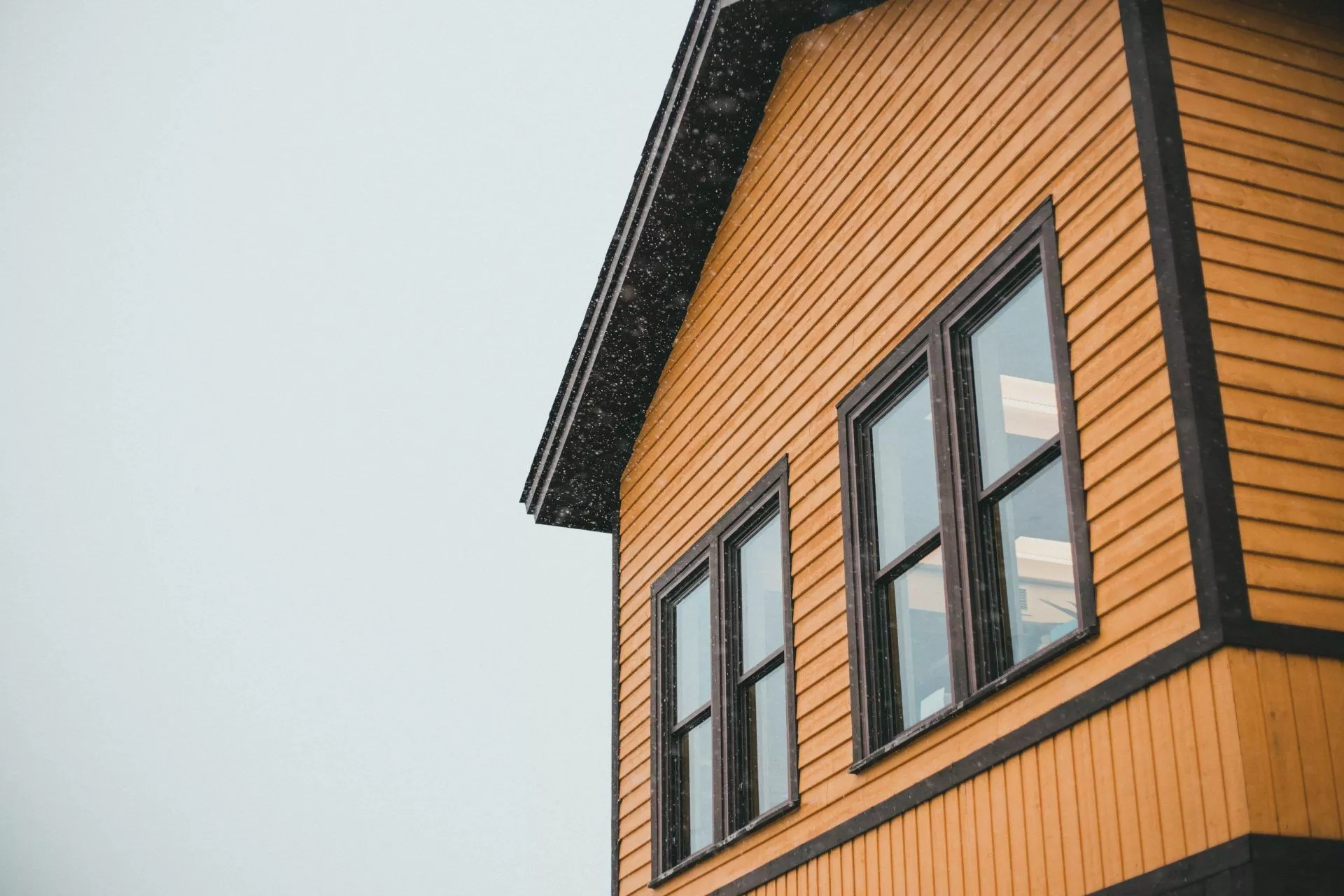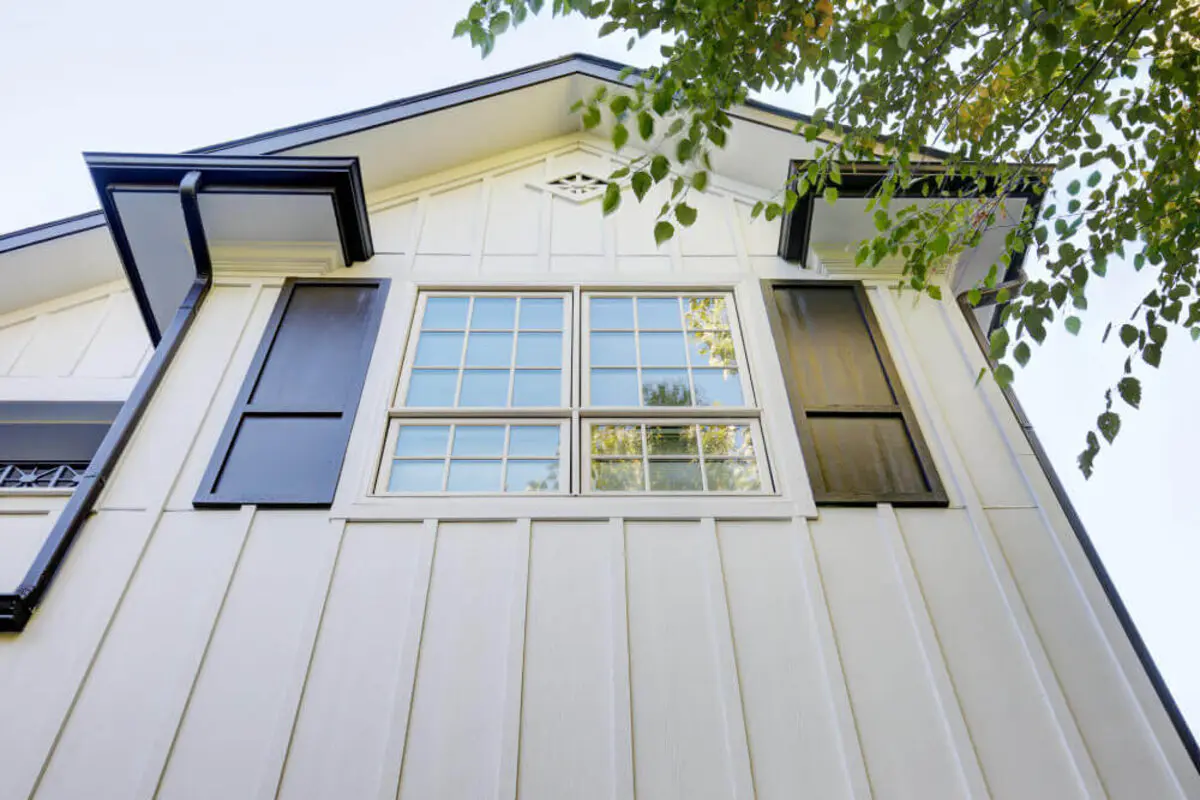
If you’re tired of high energy bills and dealing with a drafty house, insulated siding might be exactly what you need. This guide will help you install insulated siding, making your home more energy-efficient.
Installing insulated siding can make a big difference by reducing heat transfer through your walls. This means your home stays warmer in the winter without those high heating costs and cooler in the summer without overloading your air conditioner.
Think about enjoying a comfortable home all year round. Our guide will take you through everything you need to know, from the benefits of insulated siding to picking the right materials and getting the installation just right. With the right approach, you can turn your home into an energy-efficient haven.

Benefits of Insulated Siding
Insulated siding offers numerous advantages that make it a worthwhile investment for homeowners. Here are some of the most significant benefits:Energy Efficiency
Insulated siding is great for enhancing your home’s ability to conserve energy. The insulation layer acts as a barrier, preventing heat transfer through the walls, and reducing the workload on your heating and cooling systems.Cost Savings
By reducing energy consumption, insulated siding can lead to substantial cost savings on your monthly utility bills. In the long run, the reduced energy costs can make up for what you initially invested in installation.Improved Comfort
Insulated siding helps maintain a consistent and comfortable temperature throughout your home, eliminating drafts and hot or cold spots.Noise Reduction
The insulation layer also acts as a sound barrier, reducing external noise pollution and creating a more peaceful living environment.Increased Property Value
Homes with energy-efficient features, such as insulated siding, are often more attractive to potential buyers, potentially increasing your property’s resale value.Types of Insulated Siding Materials
Insulated siding is available in various materials, each with its unique properties and benefits. Here are some of the most common options:Vinyl
Vinyl-insulated siding is a popular choice due to its affordability, durability, and low maintenance requirements. The insulation is typically made of expanded polystyrene (EPS) or extruded polystyrene (XPS) foam.Fiber Cement
Fiber cement insulated siding is known for its resistance to fire, moisture, and rot. The insulation layer is typically made of rigid foam or mineral wool.Engineered Wood
Engineered wood insulated siding is a more eco-friendly option, offering a natural look while providing excellent insulation properties. The insulation layer can be made of various materials, including foam or mineral wool.Metal
Metal insulated siding, such as steel or aluminum, offers superior durability and resistance to dents and scratches. The insulation layer is typically made of rigid foam or mineral wool.Brick or Stone Veneer
For a more traditional and high-end look, brick or stone veneer insulated siding can be an excellent choice. The insulation layer is typically made of rigid foam or mineral wool.Tools and Materials Needed for Installing Insulated Siding
Before starting your insulated siding installation project, ensure you have the necessary tools and materials on hand. Gather these must-have supplies before you start:Tools:
- Utility knife
- Chalk line
- Level
- Circular saw or miter saw
- Hammer or nail gun
- Pry bar
- Caulking gun
- Ladders or scaffolding
- Safety equipment (gloves, goggles, dust masks)
Materials:
- Insulated siding panels or boards
- Starter strips
- Corner trim
- J-channels or finishing trim
- Nails or screws (recommended by the manufacturer)
- Flashing
- Caulk or sealant
- House wrap or weather-resistant barrier
- Insulation (if not pre-installed in the siding)
Preparing the Exterior Wall for Insulated Siding Installation
Before you can begin installing the insulated siding, it’s crucial to prepare the exterior wall surface properly. Follow these steps:- Remove Existing Siding: Carefully remove any existing siding, trim, and accessories from the wall. Be cautious not to damage the underlying sheathing or structure.
- Inspect and Repair: Inspect the wall sheathing for any damage, rot, or other issues. Make necessary replacements or repairs before proceeding.
- Install Weather-Resistant Barrier: Apply a weather-resistant barrier, such as house wrap or felt paper, over the sheathing. This will help protect against air infiltration and moisture.
- Flash Openings: Properly flash around windows, doors, and other openings to ensure a watertight seal.
- Level the Wall: Check the wall surface for any irregularities or unevenness. Shim or plane the surface as needed to ensure a level base for the insulated siding installation.
Step-by-Step Guide on How to Install Insulated Siding
Now that you’ve prepared the exterior wall, it’s time to start the insulated siding installation process. Follow these steps carefully:- Install Starter Strips: Begin by installing horizontal starter strips along the bottom of the wall. These strips will provide a level base for the first row of siding panels.
- Cut and Fit Panels: Measure and cut the insulated siding panels to fit the wall dimensions, leaving the recommended expansion gaps between panels and trim.
- Secure Panels: Fasten the panels to the wall using the recommended nails or screws, following the manufacturer’s instructions. Start from the bottom and work your way up, ensuring proper overlapping and alignment.
- Install Trim and Accessories: As you progress, install corner trim, J channels, and other finishing accessories to create a polished and seamless look.
- Flash Openings: Properly flash around windows, doors, and other openings, ensuring a watertight seal.
- Caulk and Seal: Apply caulk or sealant around trim, corners, and any gaps or openings to prevent air and moisture infiltration.
- Final Inspection: Once the installation is complete, inspect the entire surface for any gaps, loose panels, or other issues and make necessary adjustments or repairs.

Tips for a Successful Insulated Siding Installation
To ensure a flawless and long-lasting insulated siding installation, consider the following tips:Follow the Manufacturer’s Instructions
Carefully read and follow the manufacturer’s instructions for your specific insulated siding product. This will ensure proper installation and maintain any warranties.Proper Ventilation
Insulated siding requires adequate ventilation to prevent moisture buildup and potential damage. Ensure you install vents or create airflow channels as recommended.Expansion and Contraction
Insulated siding expands and contracts with temperature changes. Leave the recommended expansion gaps between panels and trim to accommodate this movement.Staggered Joints
When installing insulated siding panels, stagger the joints to create a more seamless and visually appealing look.Flashing and Sealing
Proper flashing and sealing around openings, corners, and trim are crucial to prevent water intrusion and air infiltration.Safety First
Always prioritize safety during the installation process. Use appropriate safety equipment, such as gloves, goggles, and dust masks, and follow proper ladder or scaffolding practices.Maintenance and Care for Insulated Siding
To ensure the longevity and performance of your insulated siding, regular maintenance and care are essential. Here are some tips:- Cleaning: Periodically clean the siding surface with a mild detergent and water solution. Avoid harsh chemicals or abrasive cleaners that can damage the siding material.
- Check for Damage: Regularly look over the siding for cracks, dents, or loose panels. Quickly resolve any issues to keep them from worsening.
- Trim and Seal: Check the trim, caulking, and sealants around openings and joints for any gaps or cracks. Re-caulk or reseal as needed to maintain a watertight seal.
- Ventilation: Ensure proper ventilation is maintained by keeping vents and airflow channels clear of debris or obstructions.
- Landscaping: Keep landscaping trimmed and maintained to prevent plants or shrubs from rubbing against the siding, which can cause damage over time.