Ask any homeowner who has dealt with wood or fiber cement siding, and they will tell you the same thing. The upkeep never really stops. Repainting, sealing, patching, and inspecting takes time and money that add up quickly over the years. Vinyl siding was built to take most of that off your plate, and for homeowners in North Richland Hills, TX, where summer heat and storm activity put real stress on home exteriors, that low-maintenance advantage is one of the most practical reasons to choose it.
This guide walks you through exactly why vinyl siding demands so little from you, what the few routine tasks actually are, and what warning signs tell you when something needs professional attention.
Why Vinyl Siding Outperforms Other Materials in Maintenance
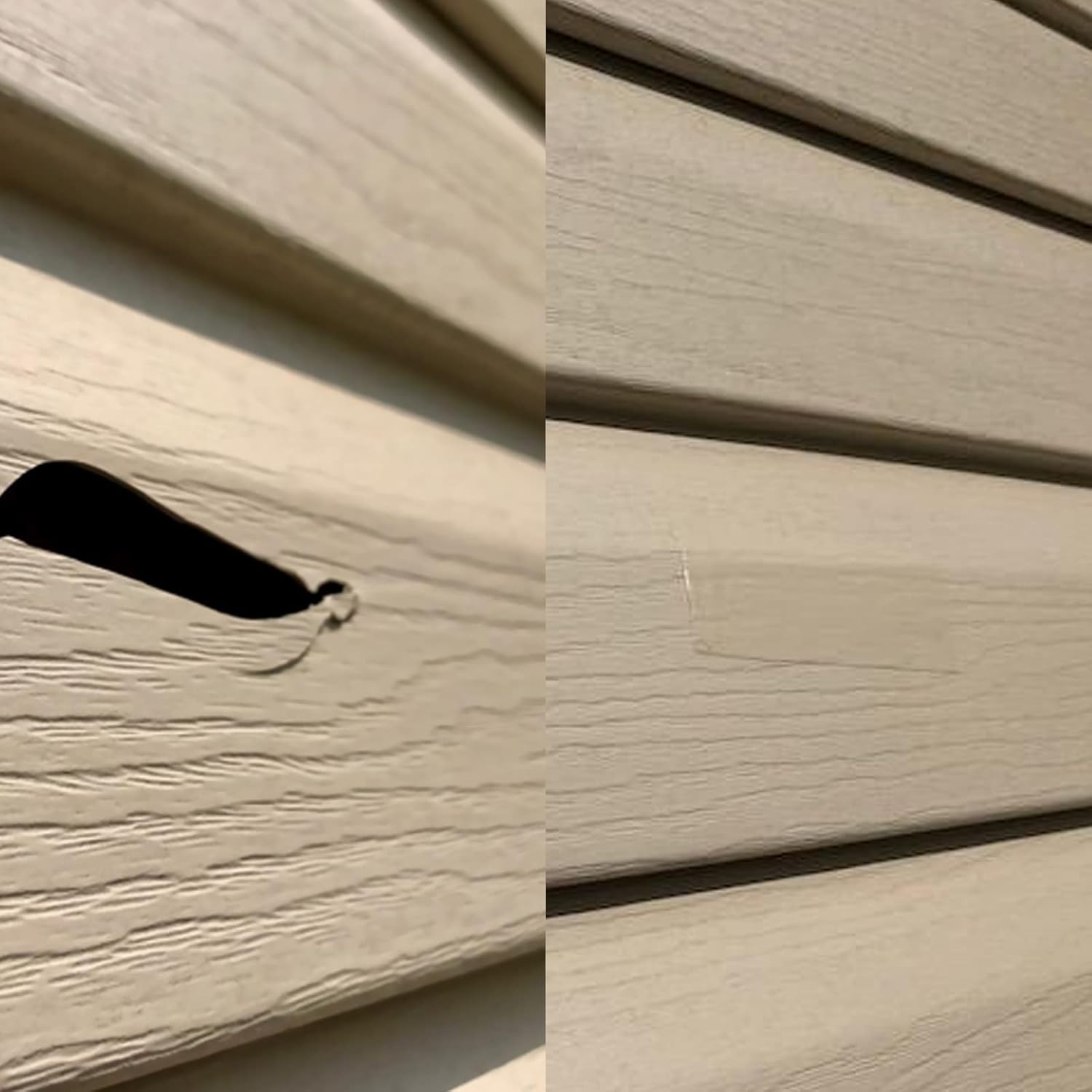
Vinyl does not rot, rust, or absorb moisture the way wood and metal do. Its color is manufactured into the panel itself, so there is nothing to repaint when the surface starts to look worn. A basic rinse is usually all it takes to restore the appearance after months of weather exposure.
- Vinyl panels do not absorb moisture, which eliminates the rot, swelling, and warping that wood siding is prone to over time
- Color is integrated into the material during manufacturing, removing repainting from the maintenance routine entirely
- Vinyl does not attract termites or other wood-boring insects, reducing the structural risk that affects untreated wood exteriors
How Vinyl Stacks Up Against Common Siding Alternatives
Knowing what other materials demand puts the vinyl advantage in clear perspective:
- Wood siding requires repainting every five to seven years, along with regular sealing and inspections for rot and pest damage
- Fiber cement is durable but needs repainting over time, and is heavier, making individual repairs more labor-intensive
- Aluminum siding can dent easily and may need repainting when its finish wears, adding recurring upkeep costs that vinyl avoids entirely
Before diving into the maintenance side, it helps to understand how this material holds up against the elements, read How Vinyl Siding Protects Homes From Harsh Weather to see why its durability starts long before any cleaning routine begins.
The Maintenance Tasks That Actually Matter for Vinyl Siding
Vinyl siding does not demand much, but a small amount of consistent care makes a real difference in how long it performs. Staying on top of a few simple tasks each year keeps your siding in strong condition without requiring significant time or money.
- Rinse the siding once or twice a year with a garden hose to remove dirt, pollen, and mildew that accumulate on the surface
- Inspect caulking around windows, doors, and trim annually and replace it if it is cracking, shrinking, or pulling away
- Check panel seams and edges after major storms to confirm nothing has shifted, cracked, or loosened under wind pressure
What a Basic Annual Inspection Should Cover
A simple walkthrough once a year takes less than an hour and catches problems while they are still minor:
- Check the full perimeter of the home for panels that have shifted, cracked, or separated at the seams
- Inspect trim and soffit areas for discoloration or soft spots that could indicate moisture working its way in
- Pay extra attention to areas around windows and doors where caulking deteriorates fastest, and water is most likely to find a gap
Mistakes That Make Vinyl Siding Harder to Maintain
Most maintenance headaches with vinyl siding trace back to avoidable errors made during or shortly after installation. Knowing what to watch out for protects you from unnecessary repair costs down the road.
- Pressure washing with too much force can crack panels or push water behind the siding, creating hidden moisture damage inside the wall
- Planting shrubs or bushes too close to the siding traps moisture against the panels and accelerates surface wear over time
- Using abrasive cleaners or harsh chemical products strips the surface finish and causes the material to fade faster than it should
What to Avoid When Cleaning Your Vinyl Siding
Cleaning vinyl the wrong way causes more harm than the dirt it is meant to remove:
- Use a soft-bristle brush or a low-pressure rinse rather than a high-pressure washer that can crack or dislodge panels
- Stick to mild soap and water or a product specifically designed for vinyl rather than bleach-heavy or solvent-based cleaners
- Avoid cleaning during the hottest part of the day since rapid drying in direct sun can leave streaks that are difficult to remove
According to Bob Vila’s guide on how to clean vinyl siding, using the right technique and products is one of the most important factors in keeping vinyl looking clean and performing well between major cleanings.
How Proper Installation Reduces Long-Term Maintenance Needs
Even the highest quality vinyl siding creates maintenance problems when it is not installed correctly. Poor installation is one of the most common reasons homeowners end up dealing with issues they expected vinyl to prevent.
- Panels need room to expand and contract naturally with temperature changes, which means they should never be nailed too tightly to the wall
- Improper fastening that cinches panels against the surface causes buckling and warping during the intense heat of a Texas summer
- Gaps left unsealed around trim, windows, and utility penetrations become entry points for water and pests that cause damage inside the wall
Signs That Installation May Have Been Done Incorrectly
These red flags are worth watching for, especially on siding that is less than a few years old:
- Panels that visibly wave or buckle along the wall, particularly during or after periods of high heat
- Sections near windows or corners that repeatedly come loose or shift out of alignment despite no obvious impact or storm damage
- Water stains appearing on interior walls near exterior surfaces, which suggest gaps in the installation, allowing moisture to enter
If you are evaluating new siding or comparing products before making a purchase, knowing What to Look for When Buying Vinyl Siding for Your Home helps you ask the right questions before installation begins, so you avoid these problems from the start.
How Long Does Vinyl Siding Last With Routine Care
One of the strongest arguments for vinyl siding is how long it lasts with very little required from the homeowner. Most quality vinyl products hold up for 20 to 40 years with basic care and no major weather damage, making it one of the most cost-effective exterior investments available for homes in the North Richland Hills area.
- Quality vinyl siding installed correctly can last 20 to 40 years with nothing more than routine cleaning and occasional inspections
- Insulated vinyl panels tend to last toward the higher end of that range since the foam backing adds rigidity and reduces stress from temperature swings
- Addressing small issues promptly, like a single loose panel or a cracked caulk line, significantly extends the overall lifespan of the installation
When Routine Maintenance Is No Longer the Right Answer
There comes a point where upkeep stops being practical, and replacement becomes the smarter investment:
- Widespread chalking, fading, or surface degradation across large sections that does not improve with cleaning signals material breakdown
- Multiple cracked or warped panels appearing across different areas of the home at the same time suggest the siding has aged past reliable performance
- Persistent interior moisture problems, despite no visible gaps in the siding, often mean water is entering through compromised areas not visible from the outside
Simple Habits That Add Years to Your Siding’s Life
The homeowners who get the most out of their vinyl siding are usually the ones who stay consistent with a small number of low-effort habits. None of these takes significant time or money, but together they make a meaningful difference in how long the siding performs.
- Clear gutters and downspouts regularly so water drains away from the home rather than running down the face of the siding
- Trim back any vegetation touching or pressing against the siding since leaves and branches hold moisture and can scratch the surface over time
- Walk the perimeter of your home after any significant storm to spot loose panels or shifted trim while the issue is still minor
The Payoff of Catching Problems Early
Acting on small issues quickly is always less expensive than waiting until they grow into larger repairs:
- A single loose or cracked panel addressed immediately prevents water from working its way behind the siding and into the wall
- Replacing worn caulking around windows costs very little and prevents moisture damage that is far more expensive to address later
- A professional inspection every few years brings a trained eye to the areas most homeowners miss during a standard ground-level walkthrough
The National Association of Home Builders recommends in their guide to routine home maintenance that homeowners follow a consistent schedule for exterior inspections to catch wear before it becomes structural damage.
When to Call a Professional
Some maintenance tasks are well within reach for most homeowners. Others carry enough risk or complexity that a siding professional is the right choice, especially when the problem involves more than a single panel or touches areas near the roofline or foundation.
- Replacing a single cracked panel is straightforward, but damage affecting multiple sections at once needs a professional assessment before any repairs are made
- Water intrusion behind the siding requires a full inspection to identify the source before any repair work begins
- Damage near the roofline, soffit, or foundation is harder to access safely and carries more risk without the right tools and experience
What to Expect From a Professional Siding Inspection
Understanding what a professional checks helps you see the value of scheduling one every few years:
- A trained inspector checks the full perimeter, including areas behind trim pieces and around utility penetrations that homeowners typically cannot see from the ground
- They look for early signs of moisture infiltration that are not visible during a standard visual walkthrough
- You receive a clear picture of what needs attention now versus what can simply be monitored through the next season
If your siding is showing signs that go beyond routine maintenance, The Hidden Dangers of Old or Damaged Vinyl Siding gives you a detailed look at what those warning signs mean for your home and how urgently each one needs to be addressed.
Your Siding Should Work for You, Not the Other Way Around
One of the biggest advantages vinyl siding offers is that it gives back far more than it asks for. With a simple rinse, an annual inspection, and prompt attention to small issues as they come up, most homeowners can keep their vinyl siding in excellent condition for decades without it ever feeling like a burden.
North Texas Home Exteriors has spent years helping homeowners across North Richland Hills get the most out of their siding by catching the things that are easy to overlook and giving straightforward guidance on what actually needs attention. Your exterior should give you confidence, not questions. Contact us or give us a call to schedule your inspection and walk away knowing exactly where your home stands.