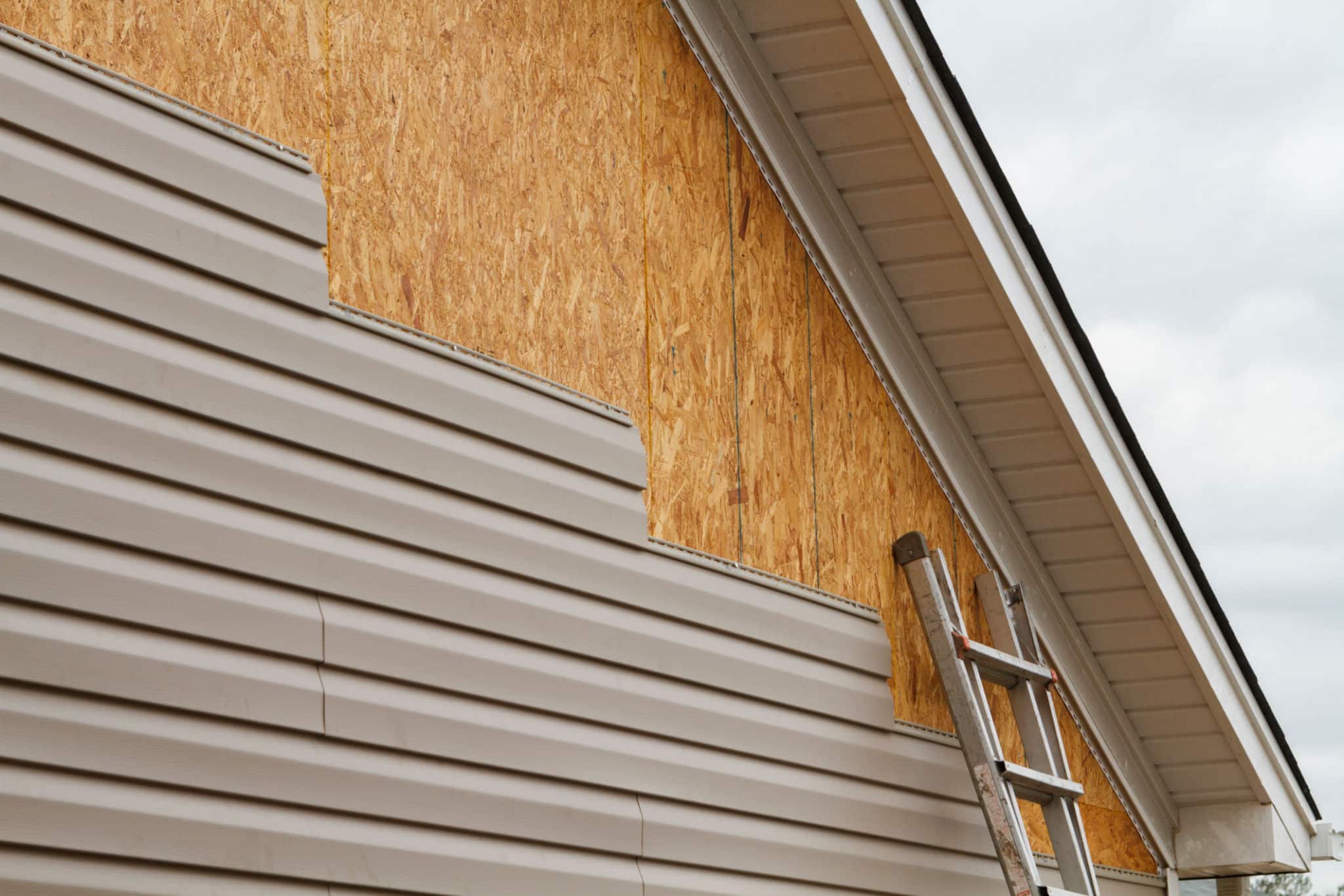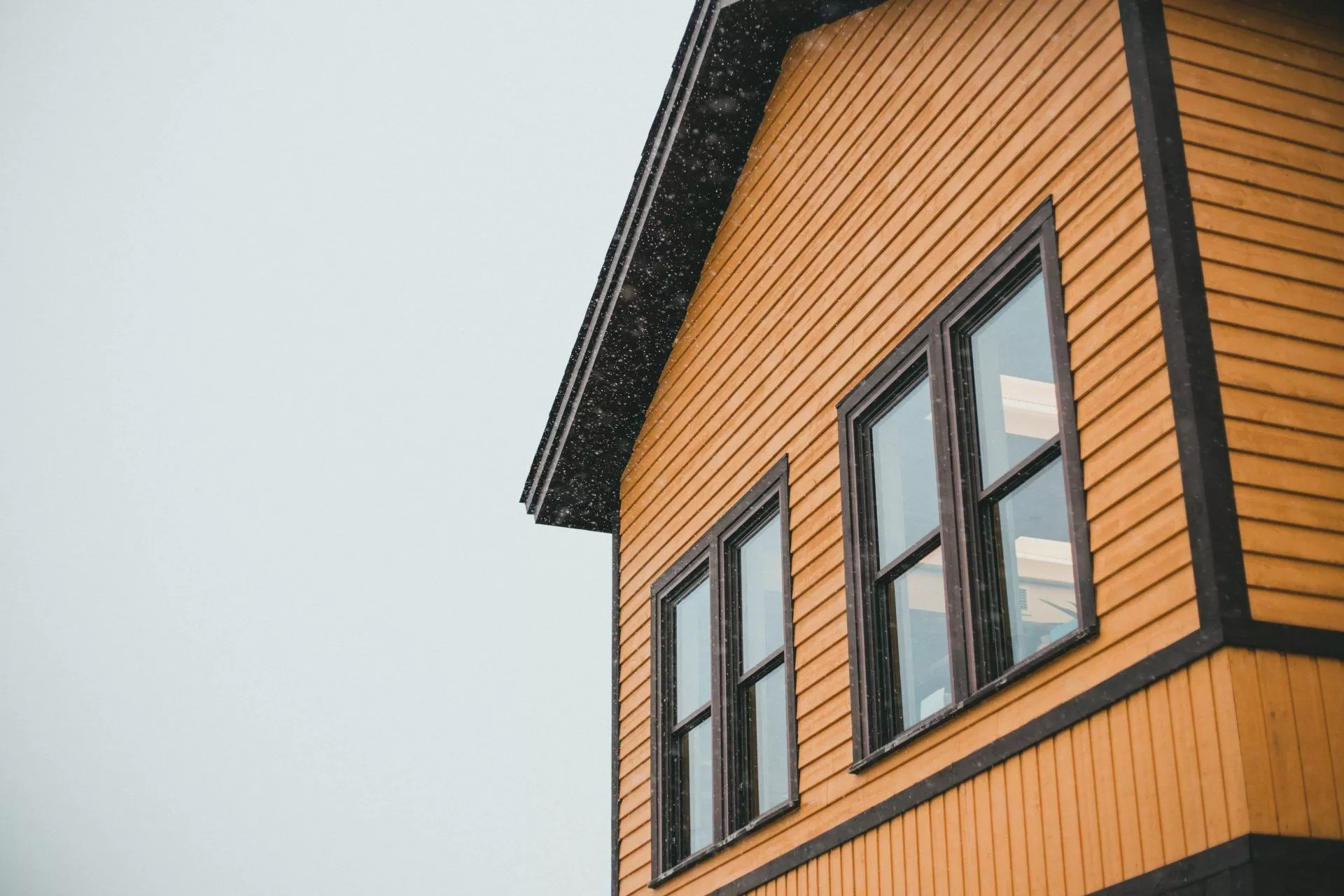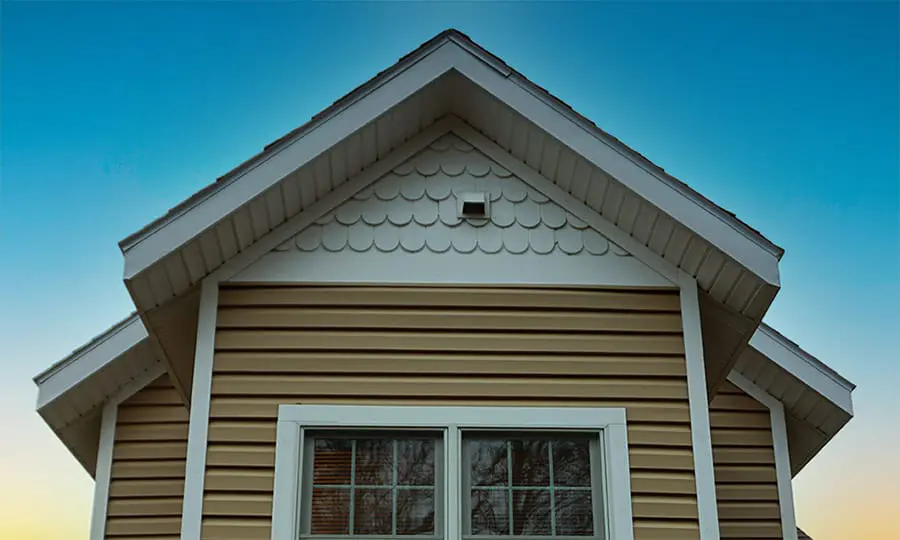
If you own a home in North Richland Hills, TX, you already know what Texas weather demands from your exterior. Summer heat pushes temperatures well above 100 degrees, severe thunderstorms roll through with little warning, and hail events can leave visible damage in minutes. Your siding is the first thing standing between all of that and the structure of your home.
Vinyl siding is built specifically to handle those conditions. It is not just a cosmetic choice. It is a functional barrier that keeps moisture, heat, and wind from reaching your walls, insulation, and framing. This guide breaks down exactly how vinyl siding works to protect your home and what to watch for when that protection starts to wear down.
Vinyl Siding as a Shield Against Wind and Rain
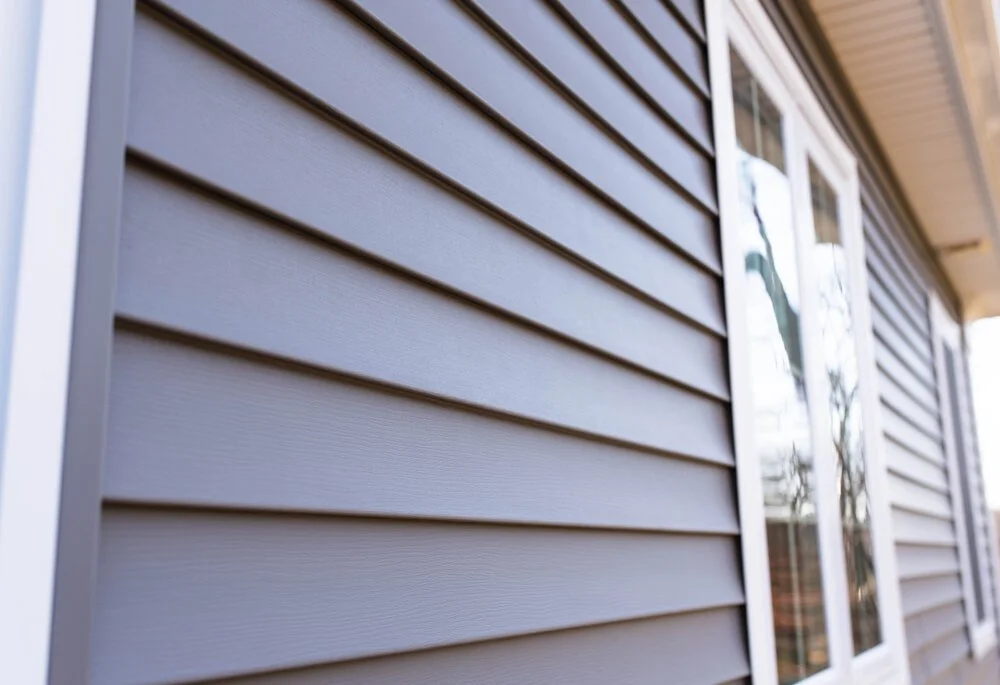
Wind-driven rain is one of the most damaging forces a home exterior faces. Vinyl siding uses interlocking panels that create a continuous seal across the wall, blocking water from finding its way into the wall cavity. Quality products are rated to handle winds of 110 miles per hour or higher, which matters greatly in North Texas, where severe storms are a regular reality.
- Interlocking panel design creates a tight, continuous seal that prevents wind-driven rain from reaching the wall underneath
- Panels are engineered to flex slightly under wind pressure without cracking, absorbing force rather than breaking under it
- Properly installed siding leaves no exposed gaps at corners, windows, or trim edges where water could work its way in
- High wind ratings keep panels secured to the wall even during the kind of severe weather common across the Dallas-Fort Worth area
What to Check After a Major Storm
After heavy wind or rain, walk your home’s perimeter and look for these warning signs:
- Look for panels that appear cracked, warped, or pulled away from the wall at the seams
- Check for gaps between the siding and trim pieces, especially around windows and doors
- Look for water stains or soft spots on interior walls close to exterior surfaces
- Inspect corners and lower sections of the wall where panels are most likely to shift under wind pressure
If you spot any of these, contact a siding professional before the damage spreads. Issues caught early cost far less than water damage that has already worked into the wall structure.
If you are already noticing changes in your siding’s condition, The Hidden Dangers of Old or Damaged Vinyl Siding walks you through exactly what those signs mean and what level of urgency each one carries.
Protection Against Extreme Heat and UV Exposure
North Richland Hills summers are intense. Prolonged heat and direct sun exposure break down many exterior materials over time, causing fading, cracking, and warping. Vinyl siding is manufactured with UV inhibitors built directly into the material, not applied as a surface coating, which means that protection does not wear off the way paint or sealant would.
- UV inhibitors are integrated into the vinyl material during manufacturing, giving the panels lasting fade resistance
- Lighter siding colors reflect more solar heat, reducing surface temperature and slowing the stress from repeated expansion
- Correct installation spacing gives panels room to expand naturally in high heat without buckling or pulling away from the wall
How to Reduce Heat-Related Wear on Your Siding
Keeping your siding performing well through the hottest months comes down to a few simple habits:
- Rinse the siding periodically with a garden hose to remove dirt and debris buildup that traps heat against the surface
- Check the expansion gaps near trim pieces each year to make sure they have not been inadvertently sealed or blocked
- Keep grills, fire pits, and any heat-producing equipment away from direct contact with the siding panels
Learning Why Vinyl Siding Needs Less Maintenance Than You Think can help you understand how proper installation and basic upkeep work together to protect your home year after year.
How Vinyl Siding Handles Hail and Impact
Hail is a genuine threat in the Dallas-Fort Worth area, and North Richland Hills is no exception. Standard vinyl siding can crack or dent under heavy impact, but impact-resistant options are engineered specifically to absorb that force. The Class 4 impact rating is the highest available and is tested by simulating real hail strike conditions.
- Class 4 impact-rated siding is tested using a two-inch steel ball to simulate the force of large hail strikes
- Thicker panels at 0.046 inches or more provide better resistance against cracking from hail or wind-driven debris
- Impact-resistant siding can have a positive effect on your homeowner’s insurance premium, worth discussing with your provider
Inspecting Your Siding After a Hail Event
After a hail storm, do a visual inspection from the ground before getting closer to the wall:
- Look for circular dents, cracks, or chipped edges on the face of individual panels
- Check the soffit, fascia, and trim pieces alongside the siding since these are often the first areas to show hail damage
- Even minor-looking cracks deserve a professional look since hidden damage allows water to enter gradually over time
Managing Moisture and Preventing Mold Growth
Moisture is one of the leading causes of serious home damage. When siding fails to keep water out, it sets off a chain reaction that includes wood rot behind the panels, damaged insulation, and mold growth inside the wall cavity. Vinyl siding is non-porous, meaning it does not absorb water the way wood or fiber cement does.
- Non-porous vinyl does not absorb water, eliminating the moisture-driven rot and warping that affects wood siding
- A house wrap or moisture barrier installed beneath the siding creates a second line of defense against water infiltration
- Properly sealed seams and fitted trim pieces close off the most common entry points for water around the wall
Habits That Keep Moisture Away From Your Siding
Staying consistent with a few basic tasks prevents most moisture-related problems before they start:
- Keep gutters and downspouts clear so water flows away from the home rather than running down the siding
- Trim back shrubs or vegetation growing close to the siding, since trapped plant material holds moisture against the wall
- Inspect caulking around windows and doors each year and replace it promptly if it is cracking or pulling away
According to Bob Vila’s guide on how to clean vinyl siding, regular washing removes algae and mildew buildup that can degrade the surface finish and compromise long-term performance.
Insulation Benefits That Help Control Indoor Temperature
Insulated vinyl siding adds a foam backing directly bonded to the panel, improving the wall’s thermal resistance. This means your air conditioning system does not have to work as hard to keep your home comfortable during the hottest months. For homeowners in North Richland Hills dealing with long, intense summers, that efficiency benefit is felt every month on the energy bill.
- Foam backing increases the wall’s R-value, reducing heat transfer from outside during summer and retaining warmth during cooler months
- Insulated panels add structural rigidity that improves resistance to wind pressure and reduces the waviness thin standard panels can develop
- The added layer also provides a degree of sound insulation, reducing outside noise from traffic, storms, and neighborhood activity
Is Insulated Vinyl Siding Worth It for Your Home
The right answer depends on your home’s existing insulation and your energy priorities:
- Homes with older or under-insulated walls benefit most since insulated siding directly addresses a gap in the thermal envelope
- The higher upfront cost of insulated panels is often offset over time through reduced energy use and lower monthly utility bills
- Insulated siding tends to look smoother and more uniform on the wall, which is an added visual benefit beyond the performance improvement
What Makes Vinyl Siding a Long-Term Investment for Your Home
Vinyl siding does not rust, rot, or require repainting. Its color is manufactured into the material, not applied on top, so it holds its appearance for years with only basic cleaning. Most quality vinyl products last between 20 and 40 years depending on the grade and how well they were installed.
- Color runs through the entire panel during manufacturing, so surface wear never exposes a different color underneath
- Vinyl does not corrode, absorb moisture, or attract the insects and pests that can compromise wood siding over time
- A properly installed vinyl exterior requires only occasional cleaning to maintain both its appearance and protective performance
Features to Look for in a Quality Vinyl Siding Product
When evaluating products, focus on what actually affects performance rather than marketing language:
- Panel thickness of at least 0.044 inches for improved rigidity, wind resistance, and impact durability
- A tested and rated lock system that creates a genuine seal between panels rather than just overlapping edges
- Fade resistance certification for high UV environments, particularly important for south and west-facing walls in Texas
The National Association of Home Builders notes in their guide to routine home maintenance that scheduling regular exterior inspections is one of the most effective ways homeowners can protect their investment and extend the life of their siding.
If you are currently evaluating new siding options, read What to Look for When Buying Vinyl Siding for Your Home to help you compare products with confidence and make a choice built for North Texas conditions.
Recognizing When Your Siding Needs Attention
There is a clear difference between normal surface wear and damage that puts your home at genuine risk. Cracked panels, warping, and gaps are not cosmetic issues. They are entry points for moisture, pests, and heat that cause damage far beyond what is visible from the outside.
- A single cracked or loose panel can often be replaced without disturbing the rest of the installation
- Widespread warping, fading, or cracking across multiple sections usually signals material that has reached the end of its useful life
- Soft or spongy spots on interior walls near the exterior are a strong indicator that moisture has already worked its way behind the panels
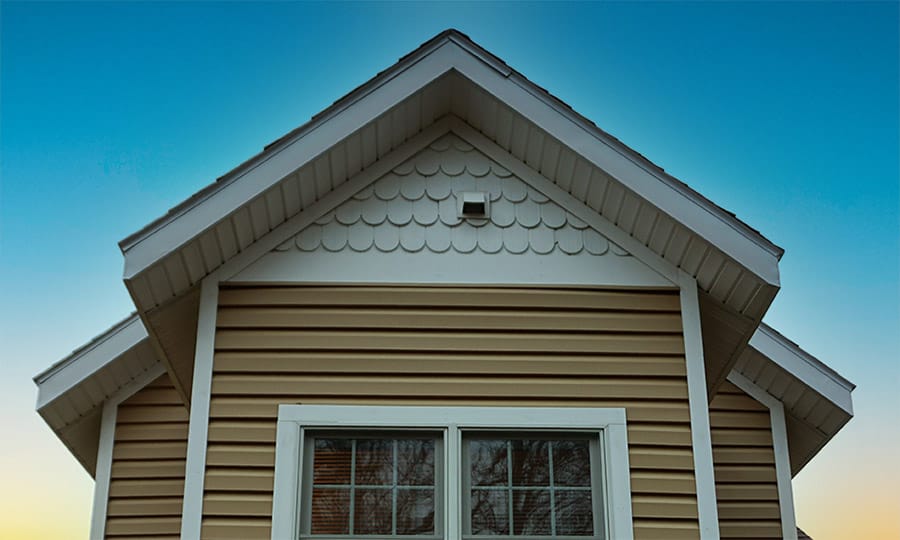
A Simple Inspection Routine for North Richland Hills Homeowners
A brief walkthrough a few times a year takes very little time but catches problems while they are still manageable:
- After major storms, check for cracked, shifted, or missing panels and inspect caulking and trim for gaps
- During peak summer heat, look for buckling or warping along the wall that may indicate installation or material issues
- At least once a year, do a full perimeter inspection, including the soffit, roofline trim, and areas around all utility penetrations
The Right Siding Makes All the Difference for Your Home
Vinyl siding earns its reputation by delivering consistent, reliable protection across years of sun, storms, heat, and everything else North Texas throws at a home. From its interlocking wind resistance to its non-porous moisture barrier and UV-resistant finish, every feature is designed to keep your home safe and your maintenance demands low.
North Texas Home Exteriors brings the expertise to assess your exterior from top to bottom and give you a clear picture of what your home actually needs. If your siding has taken a beating from the Texas heat, hail, or storms, and you are not sure where things stand, now is the time to find out. Contact us or give us a call, and let us take it from there.