Many homeowners want a backyard that feels like a real extension of the home, not just a patio with plants. An outdoor kitchen creates a dedicated area for cooking, dining, and hosting, so meals and conversations can stay outdoors without frequent indoor trips. When the layout supports how you actually cook, it becomes easier to keep food, tools, and serving items within reach.
The best outdoor kitchen setup depends on how you plan to use the space, how much room you have, and which features match your routine. When you select the essentials first and add upgrades that improve comfort and flow, you end up with a layout that functions smoothly, stays organized, and helps outdoor gatherings feel relaxed and natural.
Essential Features to Include in Your Outdoor Kitchen
When planning an outdoor kitchen, start by defining how you want the space to function day-to-day. The layout should support outdoor cooking, serving, and relaxing without unnecessary back-and-forth indoors. Consider how often you host, what you like to cook, and whether you prefer quick weeknight meals outdoors or a complete setup for weekend gatherings. Those answers make it easier to select features that match your routine and fit your space.
A well-planned outdoor kitchen should let a homeowner cook, prep, serve, and enjoy time with guests in one organized area. When you select the right appliances and durable parts, the space stays easier to manage and more comfortable to use through different seasons. Start with the core essentials, then add upgrades that enhance convenience, organization, and overall flow.
Before you finalize your must-have features, make sure to read How Much Space Do You Need for an Outdoor Kitchen? to see how the right layout size can make your design more functional and enjoyable.
Grilling Station and Cooking Appliances
A grill is often the main feature in an outdoor kitchen because it sets the tone for how you cook and entertain outdoors. If you love cooking outside, a high-performance grill can support consistent heat control, faster searing, and more reliable results across different meals. Still, many outdoor kitchen layouts go beyond a single grill and include a complete cooking station with appliances that expand what you can prepare outside.
A side burner is a practical upgrade for sauces, sautéed sides, and boiling water without having to go indoors. A pizza oven can add variety to weeknight dinners or gatherings and keep the cooking centered in the backyard. For durability, many homeowners choose stainless steel appliances because they perform better in outdoor conditions and hold up better through changing weather.
Outdoor kitchen design trends also lean toward fully equipped cooking zones. In addition to grills, many layouts include smokers, flattop grills, and warming drawers to keep food ready during longer cookouts. These additions help you manage multiple dishes simultaneously and serve guests efficiently, mainly when the outdoor kitchen is used for hosting.
To reduce fire risk and support safer grill placement, homeowners can reference the NFPA grilling safety resources.
Prep Counters and Food Preparation Space
Adequate counter space is essential for smooth functionality in any outdoor kitchen. When prep space is limited, a homeowner may walk back and forth to the indoor kitchen for basic tasks such as chopping, seasoning, and plating. That defeats the purpose of creating an outdoor setup meant to keep cooking and hosting in one convenient area.
When planning the layout, build in enough room for food preparation from the start. A dedicated prep zone supports everyday tasks like slicing vegetables, seasoning meats, assembling trays, and setting finished dishes aside before serving. This work area often serves as the center of the outdoor kitchen, and the right countertops provide both durability and quality to the overall design.
Think about how you prefer to cook and serve. Some homeowners want a larger surface for buffet-style serving and shared appetizers, while others need a prep counter directly beside the grill for faster handling and fewer steps. Designing around these habits helps create an outdoor kitchen that stays practical, organized, and enjoyable to use.
Outdoor Sink and Plumbing Considerations
One common planning mistake in outdoor kitchens is omitting a sink. An outdoor sink adds day-to-day convenience by keeping basic cleanup outside where the cooking happens. It gives a homeowner a place to wash hands, rinse produce, clean utensils, and manage spills without tracking moisture or grime back into the home.
Adding a sink also requires early planning for plumbing. You’ll need a reliable water supply and an effective drainage system to ensure water flows out safely and consistently. In many layouts, this includes access to hot and cold water, plus placement that supports easy use near prep counters. While plumbing adds steps to the overall plan, it helps the outdoor space function more like a complete kitchen rather than just a grilling area.
Material selection is critical for outdoor sinks and fixtures because they are exposed to changing temperatures and weather. Choosing durable, weather-ready sink and faucet materials supports long-term performance and reduces issues over time. When the sink area is designed with proper placement and durable components, the entire outdoor kitchen becomes easier to use, easier to maintain, and more dependable season after season.
Storage Solutions: Cabinets and Drawers
Smart storage keeps an outdoor kitchen organized, protected, and ready for regular use. Cabinets and drawers provide a dedicated home for grilling tools, cookware, and serving pieces, keeping countertops open for food prep and serving. When items are stored properly, they stay cleaner and easier to access, and the outdoor space feels more like a complete kitchen rather than a basic cooking corner.
Material choice plays a major role in long-term performance. Many homeowners select stainless steel cabinetry because it holds up well in changing weather and offers a clean, modern finish that complements many outdoor kitchen styles. With durable parts and solid construction, outdoor cabinets can withstand daily use while keeping the overall layout tidy and efficient.
Benefits of well-planned cabinetry and drawers include:
- Cooking tools stay protected and easy to reach.
- Prep counters stay clearer during meals and hosting.
- Plates and utensils remain cleaner and more sheltered.
- The outdoor kitchen gains a built-in, finished appearance.
Refrigeration and Beverage Centers
Refrigeration is one of the most practical upgrades for an outdoor kitchen because it keeps ingredients and drinks close to the cooking area. An outdoor-rated refrigerator helps homeowners store meats, produce, sauces, and refreshments at safe temperatures, reducing trips back inside and keeping gatherings running smoothly. It also supports better organization, as everything you need can stay in a single dedicated outdoor zone.
For hosting, a beverage center can further enhance the space’s functionality. Many setups include a compact drink fridge for cans and bottles, and some homeowners add a kegerator for draft beverages during get-togethers. These additions help complete the outdoor kitchen and make it easier to serve guests without disrupting the cooking flow.
When installing an outdoor kitchen, it’s important to select appliances designed for outdoor conditions. Outdoor-rated units are designed to handle heat, humidity, and temperature swings more reliably than indoor appliances. When the right models are selected and installed correctly, refrigeration and beverage units deliver consistent performance, greater durability, and long-term reliability.
For outdoor gatherings, proper food temperature matters, and the USDA grilling and food safety guidelines outline key practices for safer cooking.
Designing Custom Outdoor Kitchens for Your Backyard
Every backyard has its own shape, style, and purpose, so an outdoor kitchen should be designed to match how a homeowner actually uses the space. Custom outdoor kitchens go beyond standard layouts, allowing you to create a setup that fits your home’s architecture, your cooking habits, and how you like to host. With the right plan, the outdoor kitchen becomes a natural extension of the living area rather than an add-on.
Customization can begin with the layout structure. Some homeowners choose modular designs for flexibility and easier future changes, while others prefer a built-in layout for a more finished, permanent feel. A custom approach also allows you to choose materials, finishes, and appliance placement based on your space and the features you value most. When the layout is tailored correctly, the outdoor kitchen supports smoother flow, better organization, and a more comfortable outdoor living experience.
If you’re wondering whether your investment pays off, read Do Outdoor Kitchens Increase Home Value? to understand how a well-designed outdoor kitchen can enhance both lifestyle and resale appeal.
Choosing the Best Layout for Small and Large Spaces
The layout is the base of your outdoor kitchen. It shapes how you move and use the space. Even small outdoor spaces, such as a patio or deck, can accommodate a functional kitchen.
For a small outdoor space, a patio, or a deck, a straight-line layout is often the best. You can put your appliances and counter space along one wall. This way, you make the most of your space without feeling cramped. With this simple setup, you still get a good place to work.
If your yard is large, you have more options for outdoor kitchens. You can choose an L-shaped or U-shaped layout. These outdoor kitchen designs help you separate your cooking, prep, and hangout zones. Some even include bar seating. This layout is well-suited for people who enjoy entertaining. You can create a fun and lively space for your guests.
Incorporating Patio Enclosures and Shade Structures
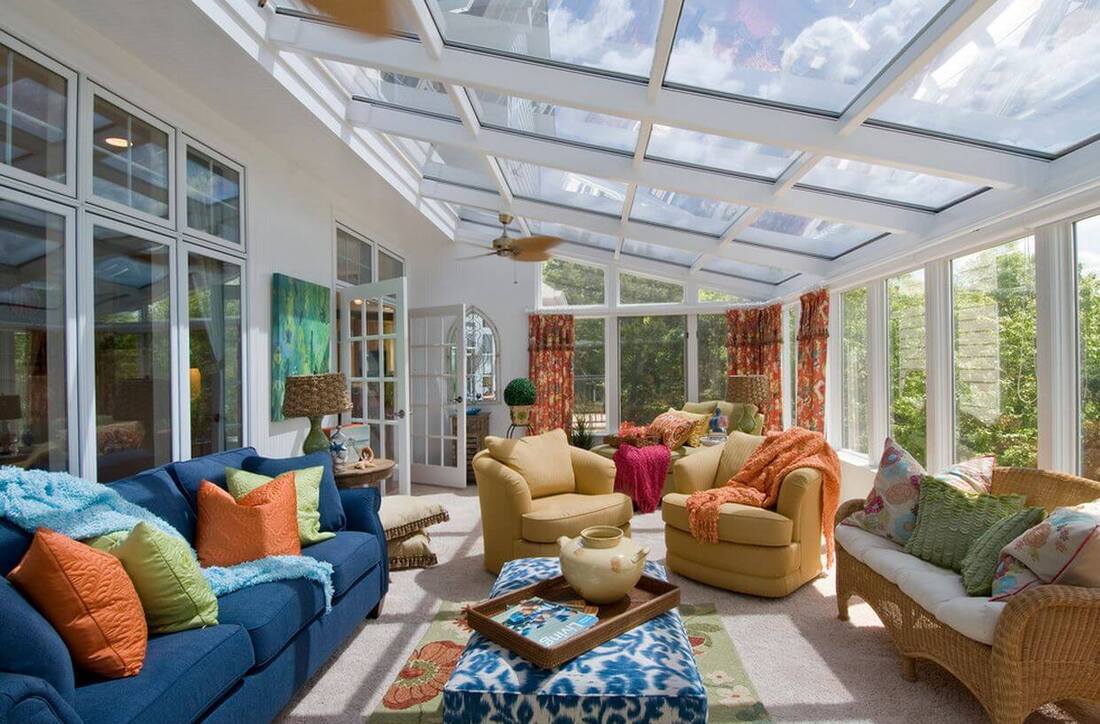
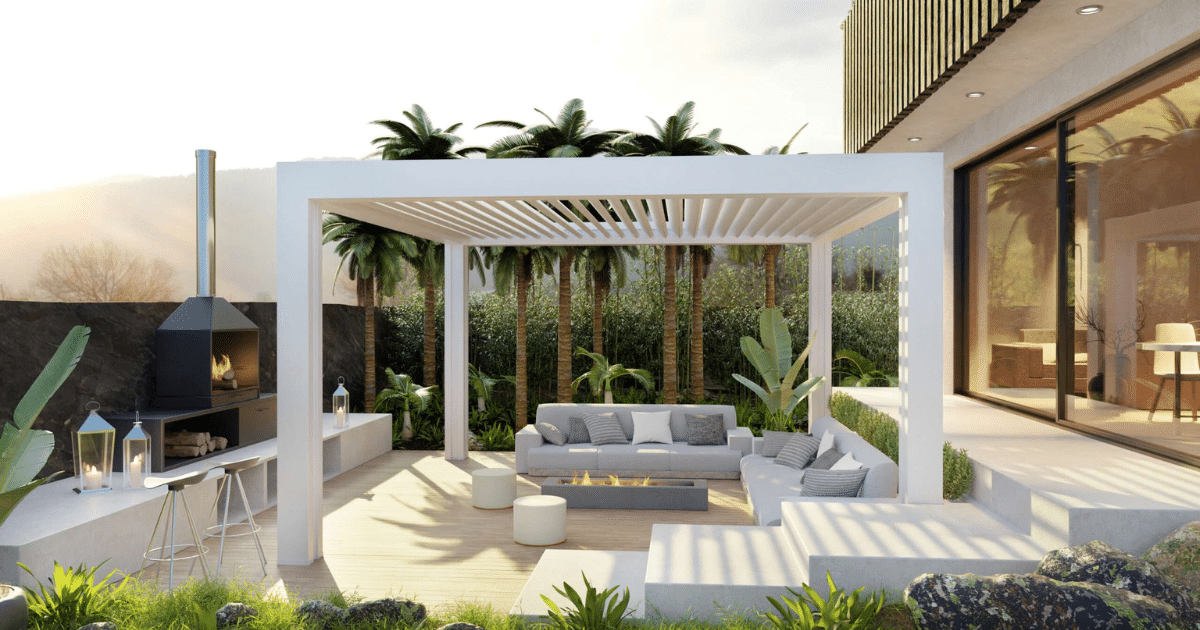
Adding coverage is one of the most innovative ways to get more use out of an outdoor kitchen year-round. A shade structure or patio cover can help block intense sun, reduce heat buildup, and provide shelter during light rain. Pergolas are also a popular option because they add definition to the outdoor living area while helping the space feel more comfortable and intentional.
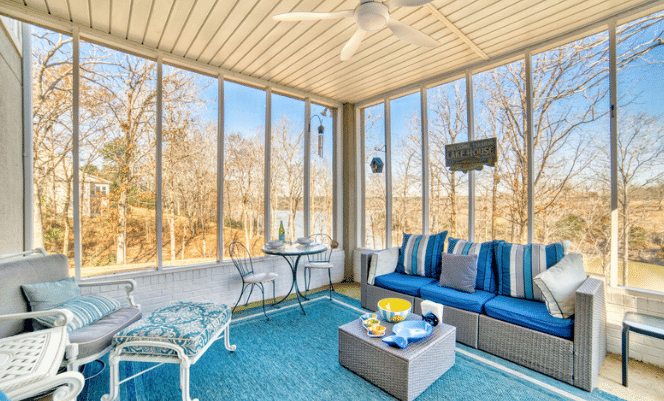
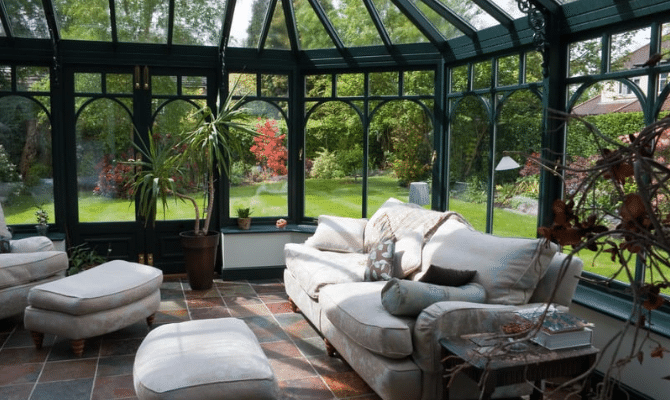
Coverage is not only about protection. The proper structure can enhance the outdoor kitchen’s overall appearance and create a more inviting atmosphere for cooking, dining, and hosting. Depending on your goals, you may select a solid roof for consistent shelter, an adjustable cover for more flexibility, or patio enclosures and simple screens for added comfort and privacy.
Benefits of adding a roof, cover, or enclosure include:
- Helps shield appliances and countertops from harsh weather
- Creates a more comfortable spot for dining and relaxing in intense sun or light rain
- Makes it easier to add features like ceiling fans and lighting
- Improves curb appeal and can support property value over time
Selecting Materials for Durable Outdoor Kitchens
The long-term performance of an outdoor kitchen depends heavily on material selection. Outdoor conditions can be demanding, with direct sun, rain, humidity, and sharp temperature swings affecting surfaces and structure over time. Choosing durable, weather-resistant materials helps protect the layout, reduce wear, and maintain quality over time. The materials you select also shape the overall style and influence how much routine upkeep the space will require.
Focus on options designed to handle outdoor exposure. Countertops, cabinetry, and flooring should withstand moisture, heat, and daily cooking without degrading quickly. When materials are selected for durability, the outdoor kitchen remains more resilient and easier to maintain while still supporting a finished, attractive design.
To choose finishes that truly last outdoors, read What Are the Best Materials for Outdoor Kitchens? and learn which options offer the best durability, performance, and long-term value.
Weather-Resistant Countertops and Cabinetry Options
Countertops and cabinetry are among the most noticeable elements of an outdoor kitchen, and they must withstand demanding conditions. For countertops, materials such as granite and Dekton are strong, weather-resistant options. Both are non-porous, which helps resist staining and makes cleaning easier after cooking. They also hold up well in sun exposure, allowing the surface to maintain its finish over time.
For cabinetry, stainless steel is a leading choice for durability and a clean, modern appearance. It resists rust, moisture, and pests, which makes it a reliable option for outdoor storage. Other strong options include marine-grade aluminum and specially treated polymers, which offer greater design flexibility while maintaining long-term performance in outdoor environments.
Here is a quick comparison of popular materials:

Flooring Materials Ideal for Outdoor Kitchens Near Me
The flooring under an outdoor kitchen must provide safety, durability, and a clean finish that complements the rest of the backyard. It must handle steady foot traffic, grease splatter, dropped utensils, and constant exposure to sun, rain, and temperature fluctuations. When homeowners search for outdoor kitchens near me, professionals often recommend surfaces that provide reliable traction, resist moisture, and are easier to maintain through the changing seasons.
Concrete pavers and natural stone remain popular because they provide a stable, slip-resistant surface while offering a wide range of style options. You can choose patterns, textures, and tones that coordinate with the home’s exterior and surrounding landscape. Composite decking also performs well in specific layouts because it resists water absorption and reduces the need for frequent sealing, making routine care simpler.
Here are the main flooring options to consider:
- Poured Concrete: A smooth, streamlined surface that supports long-term durability
- Stone Pavers: Natural texture with strong longevity and reliable traction
- Porcelain Tile: Outdoor-rated material that resists moisture and is simple to clean
- Composite Decking: Low-maintenance option that resists rot, staining, and pests
An outdoor kitchen can add style to a backyard, but function matters even more. The most useful designs include a proper cooking zone, sufficient counter space for prep and serving, reliable storage, and materials built for sun, rain, and frequent use. When the layout allows smooth movement between the grill, sink, and seating, cooking is easier, and outdoor meals feel more relaxed. A well-planned setup can also enhance resale appeal, depending on the neighborhood and overall finish level.
At North Texas Home Exteriors, we help homeowners plan outdoor kitchens around real routines, available space, and long-term durability. If you want clarity on layout planning, materials that hold up, or features that match how you host, contact us or give us a call to talk through options and create an outdoor kitchen that fits your backyard and your lifestyle.
Frequently Asked Questions
What are creative outdoor kitchen ideas for North Richland Hills homes?
Creative outdoor kitchen ideas often start with a layout that supports hosting and keeps the cooking zone connected to seating. A multi-level island with bar seating provides additional prep space while keeping guests nearby. Many homeowners also select a pizza oven or a dedicated smoker zone for weekend meals. For tighter patios or unusual yard angles, modular cabinets and flexible counters can help shape an efficient setup without wasting space.
Do outdoor kitchens increase home value in Texas?
Outdoor kitchens can support stronger resale appeal in Texas when the design feels permanent, matches the home’s exterior style, and uses quality, weather-ready materials. Results depend on the neighborhood, the overall finish level, and how well the outdoor kitchen connects to the rest of the outdoor living area. A practical layout, durable surfaces, and protected storage often help the upgrade stand out, but the impact may vary.
What should you include in an outdoor kitchen for everyday use?
Start with essentials that support daily cooking: a primary cooking appliance, enough counter space for prep and serving, and storage that keeps tools protected. If you host frequently, adding a sink can make cleanup easier and reduce indoor trips. Lighting also matters for evening cooking and safe movement around the cooking zone. Outdoor kitchens perform best when the cooking, prep, and serving areas are arranged to facilitate smooth movement.
What are the best materials for an outdoor kitchen?
The best materials are those designed to handle heat, moisture, and sun exposure without breaking down quickly. Stainless steel is often selected for cabinets and doors because it resists corrosion when rated for outdoor use. For countertops, many homeowners choose durable stone or other weather-resistant surfaces that withstand frequent cooking. For framing and surrounds, exterior-rated, non-combustible finishes help protect parts over time. Performance can vary, so it helps to match selections to local sun exposure and weather patterns.
What outdoor kitchen appliances are worth adding?
Appliance selections depend on how you cook and how often you host. A built-in grill is the most common starting point, and a side burner helps with sauces and quick sides. An outdoor-rated refrigerator keeps ingredients and drinks close to the cooking zone. If you host regularly, a beverage center or ice maker can be a practical upgrade. Specialty options such as a smoker or pizza oven can be worthwhile if you expect consistent use and have space for proper placement.
What is the best layout for an outdoor kitchen?
The best layout depends on available space and how you plan to use the area. A straight-line layout works well for smaller patios and keeps the cooking zone simple. An L-shaped layout provides additional counter space and creates a clear separation between cooking and serving. A U-shaped layout offers the most workspace and supports multiple cooking tasks, but it requires more space. Any layout performs better when it promotes precise movement between the grill, prep space, and seating.
How much counter and storage space should an outdoor kitchen have?
Counter and storage needs vary based on cooking style and hosting frequency. Many homeowners plan for enough counter space to prep food, stage trays, and serve without crowding the grill area. For storage, weather-ready cabinets help protect utensils, grill tools, and serving supplies. If you plan to keep dry goods outside, sealed storage supports better protection against humidity and pests. A simple approach is to start with essentials, then add space where daily use feels tight.
How can you personalize an outdoor kitchen to match your backyard style?
Personalizing an outdoor kitchen starts with finishes that align with the home’s exterior, such as stone, tile, stucco, or stainless steel. Lighting also changes the space’s feel, especially under a pergola or covered patio. Many homeowners add signature details like a contrasting backsplash, a bar ledge for casual dining, or built-in seating near the cooking zone. The most cohesive results connect the outdoor kitchen to nearby dining and lounge areas for a unified outdoor living setup.
What are common outdoor kitchen planning mistakes to avoid?
Common mistakes include selecting indoor-rated materials, underestimating storage, and placing the grill where smoke drifts toward seating or exterior doorways. Limited lighting can also make cooking and cleanup harder at night. Drainage and ventilation are also important, especially under covered structures. Another frequent issue is skipping early inspection of utility needs, gas, electrical, and water access, since those details often determine where key features can be installed.
Do outdoor kitchens require permits in North Richland Hills?
Permits may be required in North Richland Hills depending on the scope of work and the utilities involved. Gas line work, new electrical circuits, plumbing, and permanent structures often trigger permit and code requirements. Because details can vary by project, it’s smart to review local guidelines early and work with a qualified professional to support safe installation and code-aligned planning.