Vinyl windows are one of the most common replacement window options in Texas homes, and for a simple reason: they are built to be low-maintenance, energy-smart, and durable in changing weather. If you live in North Richland Hills, TX, you already know windows deal with intense sun, humidity swings, and storm season. The right window material can make your home feel steadier and more comfortable year-round.
This guide explains what a vinyl window is, what it is made of, how it performs, what to check when something feels “off,” and how vinyl compares to wood and aluminum. It is written from a home exterior professional’s point of view, with safe, practical guidance you can use without turning it into a risky DIY project.
Quick Answer
A window is considered a vinyl window when the frame and sash are made primarily from uPVC (unplasticized polyvinyl chloride). In simple terms, vinyl is the structural material that forms the window’s outer frame and the moving parts that hold the glass. Most modern vinyl windows use multi-chambered designs inside the frame for strength and insulation.
Compared with wood windows, vinyl does not need repainting or staining and is not vulnerable to rot the same way wood can be. Compared with aluminum windows, vinyl generally insulates better because aluminum transfers heat more easily.
If you want the “why” behind the popularity, read Why Homeowners Choose Vinyl Windows Over Other Types.
The Parts That Make Up A Vinyl Window
Knowing the basic parts helps you understand performance, comfort, and common issues.
- Frame: The outer structure anchored to the wall opening.
- Sash: The moving part that holds the glass (slides up and down, side to side, or swings open depending on style).
- Glass Package (Insulated Glass Unit): Often double pane, sometimes triple pane, sealed together as one unit.
- Spacer System: Sits between panes and helps reduce edge-of-glass temperature swings.
- Weatherstripping: Flexible seals that reduce drafts and rattles.
- Locks and Hardware: Keep the sash tight to the frame for security and air sealing.
- Weep System: Designed to guide incidental moisture out safely.
What Vinyl Windows Are Made Of And Why That Matters
Vinyl window frames use uPVC, a rigid version of PVC engineered for long-term structure. Window-grade vinyl typically includes additives designed to handle sunlight, temperature cycling, and everyday use.
Here is what to know without getting lost in chemistry:
- uPVC is rigid and structural: It is designed to hold shape under normal conditions.
- Multi-chamber frames add strength and insulation: Those internal chambers help reduce heat transfer.
- Fusion-welded corners reduce weak points: Many quality vinyl frames are heat-welded at corners to form a tighter joint than fasteners alone.
If you want a deeper breakdown of materials and performance traits, read What Vinyl Windows Are Made Of And How They Perform.
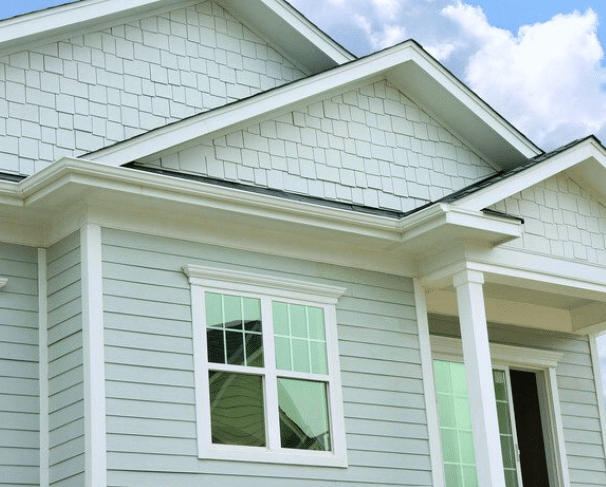
Vinyl Window Styles You Will See Most Often
Vinyl is used across many window types. The best style depends on airflow goals, cleaning access, and how the room is used.
- Single-Hung: Bottom sash moves, top stays fixed.
- Double-Hung: Both sashes move. Helpful for airflow control and easier cleaning.
- Slider: Sashes move side to side. Often used where vertical space is limited.
- Casement: Cranks open like a door, seals tightly when closed.
- Picture Window: Fixed glass for views and light.
- Bay Or Bow: Angled multi-window set that adds space and light.
- Garden Window: A small “box” style window, often above sinks.
Energy Efficiency Basics That Actually Matter In Texas Heat
Energy performance is not just a label, and it is not only about the frame. In Texas conditions, glass options often drive the biggest comfort change.
Key terms worth knowing:
- Double Pane Glass: Two layers of glass with a sealed space between.
- Low-E Coating: A thin layer that helps manage heat transfer, especially important in hot climates.
- Argon Gas Fill: An inert gas between panes that can improve insulating value.
- Warm-Edge Spacer: Helps reduce temperature swings around the perimeter of the glass.
- NFRC Label: A standardized label showing performance metrics such as U-factor and SHGC.
Two performance numbers you will see:
- U-Factor: How well the window resists heat flow overall. Lower typically means better insulation.
- SHGC (Solar Heat Gain Coefficient): How much solar heat passes through. In a hot climate, a lower SHGC is often helpful for comfort.
The DOE Energy Saver guide breaks down U-factor and SHGC in plain language and explains how the NFRC program standardizes those ratings.
How Vinyl Compares To Wood And Aluminum
Vinyl is popular, but it is not the only solid choice. Here is a practical comparison based on real exterior work conditions.
Vinyl Vs Wood
- Maintenance: Vinyl is typically lower-maintenance. Wood usually needs ongoing finish care.
- Moisture Risk: Wood can be vulnerable if water management fails. Vinyl does not rot, but it still needs correct sealing and drainage.
- Appearance: Wood offers classic interior trim options and staining flexibility.
- Comfort: Both can perform well when paired with the right glass package and a high-quality install.
Vinyl Vs Aluminum
- Heat Transfer: Aluminum transfers heat more readily, which can affect comfort if the window is not designed with thermal breaks.
- Strength: Aluminum can be very strong for slim frames and certain designs.
- Maintenance: Aluminum can be low-maintenance, but finish wear depends on exposure and quality.
- Best Use Cases: Aluminum may make sense for specific architectural styles or large openings where frame strength is a priority.
Common Vinyl Window Problems And What To Check Safely
Even quality windows can develop issues. The key is knowing what you can safely check and when it is time for a professional evaluation.
Drafts Or Hot Spots Near The Window
Safe checks:
- Run your hand around the interior perimeter on a windy day to feel for air movement.
- Inspect weatherstripping for gaps, tears, or flattening.
- Check if the sash locks pull the sash tight.
What it often means:
- Weatherstripping wear, poor sash alignment, or installation air sealing issues.
Condensation On The Inside Surface
Safe checks:
- Note if it happens during high indoor humidity activities (showers, cooking).
- Confirm bathroom fans are venting properly and are used consistently.
What it often means:
- Indoor humidity level may be high, especially during seasonal swings.
Fog Or Moisture Between Glass Panes
Safe checks:
- Confirm the fogging is between panes, not on the surface.
- Observe if it changes with temperature or stays persistent.
What it often means:
- Seal failure in the insulated glass unit.
Sticking, Tilting, Or Hard-To-Operate Sash
Safe checks:
- Look for debris in tracks.
- Inspect for visible warping or damaged balance components.
- Check that the window is fully unlocked before operating.
What not to do:
- Do not force the sash. Forcing can damage balances, locks, or frame alignment.
Water Stains, Bubbling Paint, Or Soft Drywall Near A Window
Safe checks:
- Look for staining patterns that suggest water entry at the top corners or sill.
- Check exterior caulk lines for cracks or separation.
What it often means:
- Water management or flashing issues that need professional inspection.
For a clear breakdown of fogging causes and what “between-the-panes” fog typically signals, The Spruce has a helpful overview.
Installation Quality Factor
A high-quality window can still perform poorly if the installation is weak. In exterior work, many callbacks trace to these issues:
- Out-of-square opening not corrected: A window that is not set correctly can bind, leak air, or stress the seals.
- Improper shimming: Shims should support the frame without twisting it.
- Weak air sealing: Gaps around the frame allow drafts and dust intrusion.
- Missing or incorrect flashing: Flashing is the system that manages water, especially in wind-driven rain.
- Weep pathways blocked: If drainage is blocked, water can collect where it should not.
What Local Conditions Do To Windows
North Richland Hills windows deal with a mix of stressors that can reveal weaknesses quickly:
- Strong sun exposure: UV and heat can stress seals over time.
- Humidity swings: Can change how materials expand and contract seasonally.
- Severe storms and wind-driven rain: Test exterior sealing and flashing details.
- Hail season: Can damage glass, screens, and exterior finishes.
When Vinyl Windows Are A Smart Move
Vinyl windows tend to be a strong fit when you want:
- Lower upkeep than wood
- Better insulation potential than basic aluminum frames
- Improved comfort from drafts and hot spots
- A cleaner, updated exterior appearance
- Quieter interior spaces when paired with the right glass package
If you are trying to time a replacement decision based on symptoms and home performance, read When It Is Time To Replace Old Windows With Vinyl?

A Simple Vinyl Window Selection Checklist
Use this checklist to keep your decision grounded and avoid getting distracted by buzzwords.
Must-Have Checks
- NFRC label available and easy to review
- Low-E glass suited for hot climates
- Strong weatherstripping and tight lock-up
- Clear plan for flashing and water management
- Warranty terms explained in plain language
Nice-To-Have Upgrades
- Upgraded spacer system for improved edge performance
- Enhanced glass packages for noise control
- Reinforced meeting rails on large double-hung units
- Better screens if windows face heavy wind and debris
Red Flags To Avoid
- No clear explanation of how the opening will be prepared
- Vague answers about flashing or drainage
- A “one-size-fits-all” glass recommendation for every exposure side of the home
Evaluate Your Vinyl Window Options In North Richland Hills, TX
If your home feels drafty near the windows, certain rooms run hotter than the rest, or you are noticing sticking sashes, condensation, or fog between panes, treat it as a sign to check both window performance and installation sealing, especially with North Richland Hills heat, storms, and humidity swings.
North Texas Home Exteriors can help you evaluate your current windows, confirm what is causing drafts, heat gain, fogging, or sticking sashes, and recommend vinyl, wood, or aluminum options that fit your home’s exterior and local conditions in North Richland Hills. Contact us or give us a call to schedule your assessment.