Making the best outdoor kitchen takes more than choosing appliances and planning a layout. Materials matter because outdoor kitchens are exposed to sun, rain, wind, heat, and regular use. When surfaces and finishes are designed for outdoor use, they retain their shape, resist damage, and are easier to maintain, helping the entire space feel dependable season after season.
The best outdoor kitchen materials support both durability and style. From countertops and cabinets to framing and finishes, each choice affects how the space performs over time. When you select weather-ready materials and match them to your climate and cooking habits, you get an outdoor kitchen design that stays functional, retains its quality, and fits the overall outdoor living space for years.
Exploring the Essentials: Why the Right Materials Matter for Outdoor Kitchens
The materials used in an outdoor kitchen play a major role in long-term durability and daily function. Outdoor conditions expose surfaces to constant sun, rain, humidity, and temperature shifts, which can cause low-grade materials to fade, warp, or corrode over time. Selecting weather-ready, exterior-rated materials helps the kitchen maintain its structure, resist damage, and support consistent use year-round. Strong material choices also reduce the need for frequent repairs and ongoing upkeep.
Material selection also affects overall property appeal. A well-built outdoor kitchen with durable finishes and cohesive design elements can support stronger interest from future homeowners. When materials align with the home’s exterior and hold up well over time, the outdoor kitchen feels like a permanent extension of the living space rather than a temporary add-on. The impact on value depends on many factors, but quality materials often contribute to lasting performance and visual consistency.
Before choosing finishes and surfaces, it’s also worth reading What Should You Include in an Outdoor Kitchen? to see how material choices connect directly to the features your space needs to function well.
Durability and Longevity for North Richland Hills, Texas Weather
In North Richland Hills, Texas, an outdoor kitchen must handle intense sun, high heat, heavy rain, and sudden storms. Constant sunlight can cause fading and surface cracking, while moisture in the air can lead to corrosion, mildew, and material breakdown. Given these conditions, outdoor kitchen materials should be selected for durability and long-term performance, not for appearance alone. Weather-ready choices help the kitchen maintain its structure and reduce ongoing Repair needs.
Stainless steel is often selected for cabinetry and appliances because it resists corrosion and holds up well in humid conditions. For countertops, stone surfaces are a reliable option because they resist moisture absorption and withstand high cooking temperatures. When you install weather-resistant materials throughout the outdoor kitchen, you protect the space from seasonal damage and support consistent performance. This approach helps the kitchen stay functional and ready for everyday use or gatherings, regardless of changing Texas weather.
Balancing Style with Functionality in Outdoor Kitchen Design
A strong outdoor kitchen design blends visual appeal with everyday performance. Materials must withstand sun, heat, and moisture, and withstand frequent use, while also shaping the space’s overall style. Before you select finishes, consider the atmosphere you want, such as a sleek, modern kitchen or a warmer, more natural outdoor living space. When materials align with the design goal, the kitchen feels intentional and cohesive rather than pieced together.
Color and texture pairings can create contrast while still staying practical. Stainless steel appliances combined with a stone base or masonry surround can deliver a clean, modern feel with added depth and durability. Neutral tones and textured finishes can also hide minor wear from outdoor conditions while keeping the space inviting. The most effective designs focus on flow and usability, using durable outdoor kitchen materials that support comfortable cooking, serving, and gathering. When style and functionality are balanced, the outdoor kitchen remains a space you enjoy using as much as you enjoy looking at.
If you’re planning a layout that looks great and works comfortably, take time to read How Much Space Do You Need for an Outdoor Kitchen? to understand how design and material decisions affect overall flow.
Top Countertop Materials for Outdoor Kitchens
Countertops face some of the most demanding conditions in an outdoor kitchen. They face high heat from grills, spills from food and drinks, direct sunlight, and regular prep work. Because of that, outdoor kitchen countertops should be selected for durability, stain resistance, and heat tolerance. When the surface holds up well, it is easier to maintain and supports consistent use without frequent repairs.
Granite and other natural stone surfaces are popular outdoor kitchen countertop materials because they provide a strong work area and a high-end finish. Many homeowners also select stone because it performs well outdoors when it’s properly sealed and maintained. A durable countertop provides a reliable surface for preparing meals, serving guests, and setting down hot cookware. Below are several top countertop options that balance long-term performance with an elevated appearance for an outdoor kitchen design.
Granite and Why It’s a Preferred Choice
Granite is one of the most common outdoor kitchen countertop materials, and it earns that role for clear reasons. As a natural stone, granite offers long-term durability and a distinctive appearance, with patterns and tones that vary from slab to slab. That variety helps an outdoor kitchen feel custom while still providing a surface built for frequent use.
Granite performs well in outdoor conditions because it tolerates heat, sun exposure, and temperature changes. With proper sealing, it resists moisture penetration and helps limit staining, making cleanup simpler after cooking and serving. It also supports a more sanitary prep area when properly maintained.
Key advantages of granite include:
- Heat resistance: Hot cookware can be placed on the surface without immediate damage under normal use.
- Durability: The stone resists scratches and chips better than many other countertop options.
- UV stability: Granite holds its color well even with regular sun exposure.
Concrete and Porcelain: Contemporary Outdoor Kitchens Ideas
For homeowners interested in a modern outdoor kitchen, concrete and porcelain countertops offer a clean, contemporary finish with strong outdoor performance. Concrete provides design flexibility because it can be formed into custom shapes and finished in a wide range of colors and textures. Over time, the surface develops natural character, giving the cooking area a distinctive appearance while maintaining strength under frequent use.
Porcelain also aligns well with current outdoor kitchen design trends. This material resists moisture absorption, so it does not stain and requires no sealing. Porcelain surfaces are lightweight yet durable, and many styles replicate the appearance of stone or wood while keeping a consistent finish. Both materials support a refined outdoor kitchen design while handling changing weather conditions with ease.
Key advantages include:
- Concrete: Custom shapes, color options, and embedded details enable a tailored design.
- Porcelain: Resists UV exposure, scratches, and stains, making routine care simple.
- Durability: Both materials perform well outdoors and maintain their quality through heat, rain, and sun exposure.
Best Cabinet Options for Custom Outdoor Kitchens
Outdoor kitchen cabinetry must handle conditions that indoor storage never faces. Exposure to moisture, temperature fluctuations, and pests requires cabinets to be built specifically for exterior use. Durable materials help protect cookware, utensils, and supplies while supporting smooth operation over time. Selecting the right cabinetry reduces ongoing repair needs and allows the outdoor kitchen to stay organized and reliable.
Stainless steel cabinets are a common choice for custom outdoor kitchens because they resist corrosion and maintain a clean, streamlined appearance. They also pair well with a wide range of countertop and finish styles, from modern to transitional. Another option is marine-grade polymer cabinetry, which performs well in humid environments and resists moisture absorption. Each cabinet material offers distinct benefits, and the best selection depends on climate exposure, design preferences, and how the outdoor kitchen will be used day-to-day.
Stainless Steel Versus Marine-Grade Polymer Cabinets
When comparing outdoor kitchen cabinet options, stainless steel and marine-grade polymer (often called HDPE) are two of the strongest choices for long-term performance. Stainless steel cabinets deliver a clean, professional appearance and strong corrosion resistance, especially when you select higher grades such as 304 stainless steel. They also support daily use well, which makes them a practical option for a functional outdoor kitchen.
Marine-grade polymer cabinets are designed to handle harsh outdoor conditions, including moisture and humidity. Because the material is waterproof, it will not swell, rot, or delaminate, and it holds its shape well over time. Many styles come in multiple colors and textured finishes that mimic wood without the upkeep natural wood often requires.
Choosing between these options often comes down to visual preference and project scope, since results can vary based on layout, finish selections, and outdoor exposure.

Integrating Weather-Resistant Materials for Lasting Performance
A durable outdoor kitchen requires more than selecting a grill and cabinetry. Long-term performance depends on using weather-resistant materials throughout the entire build, including the island base, structural frame, and exterior finishes. Every surface is exposed to sun, rain, wind, and temperature swings, so each selection should support strength, stability, and consistent day-to-day use. When materials work together, the outdoor kitchen stays reliable and needs less Repair over time.
For the frame, galvanized steel and aluminum are dependable choices because they resist corrosion, provide strong support, and are non-combustible. For exterior finishes, stone veneer, brick, and stucco add visual appeal while also protecting the structure underneath. These finishes pair well with many home exteriors and help the kitchen maintain its shape and quality through changing weather. When you select weather-ready materials for both visible and hidden areas, the outdoor kitchen stays functional, durable, and visually cohesive for years.
For homeowners thinking beyond daily use, reading Do Outdoor Kitchens Increase Home Value? It can help explain how durable materials and thoughtful construction may impact long-term appeal.
Flooring Materials to Enhance Your Outdoor Kitchen Space
Flooring plays a major role in both the appearance and safety of an outdoor kitchen. Because the surface is exposed to moisture, heat, and frequent foot traffic, it should be durable, slip-resistant, and easy to maintain. The right flooring material also helps connect the outdoor kitchen to the rest of the outdoor living area, making the space feel cohesive and intentional.
Popular outdoor kitchen flooring materials include tile, natural stone, and stamped concrete, each offering different performance benefits and visual styles. Tile can deliver a clean, structured finish, while natural stone adds texture and a more organic feel. Stamped concrete provides design flexibility with patterns and color options that complement many layouts. When you select flooring that balances durability with design, the outdoor kitchen remains comfortable, functional, and visually appealing for everyday use and gatherings.
Popular Flooring Choices: Tile, Natural Stone, and Stamped Concrete
When selecting outdoor kitchen flooring, durability, slip resistance, and heat performance matter as much as style. Porcelain tile is a strong option for outdoor living spaces because it resists moisture absorption, helping reduce staining and water-related damage. Many finishes mimic stone or wood visuals, which makes it easier to match the flooring to the rest of the outdoor kitchen design while keeping routine cleaning simple.
Natural stone, including travertine and slate, delivers a classic appearance with long-term durability. These surfaces often stay cooler underfoot than many other materials, which can be helpful during the Texas heat. Because each stone piece varies in pattern and texture, the floor gains a natural, distinctive finish that adds character to the outdoor kitchen space.
Stamped concrete is another popular material for modern outdoor kitchen flooring. It provides a durable surface that withstands frequent use and can be patterned to resemble brick, pavers, or stone. With multiple textures and finish options, stamped concrete works well for homeowners who want design flexibility and consistent performance outdoors.
- Porcelain tile: Durable, moisture-resistant, and available in many styles
- Natural stone: Distinctive appearance and often cooler underfoot in sun exposure
- Stamped concrete: Flexible finishes and patterns with a strong, reliable surface
- Durability: All three support long-term outdoor use for active outdoor living spaces
Safety, Maintenance, and Aesthetics Considerations
Outdoor kitchen flooring affects more than style. It plays a major role in safety and how simple the space is to maintain, especially in areas where moisture, grease, and spills are common. Slip resistance matters for everyday use and gatherings, so textured finishes are often the best choice. Many exterior-rated tiles and natural stones have surface textures that improve traction, even when the floor is wet.
Maintenance is just as necessary. Flooring that resists moisture absorption helps keep cleanup quick after cooking and entertaining. Non-porous materials, along with properly sealed stone and sealed concrete, help prevent grease and water from soaking in. That means routine cleaning can often be handled with basic washing and regular checks of the sealant’s condition, as applicable.
Aesthetics should support the rest of the outdoor kitchen design. Matching flooring color and texture with cabinetry, countertops, and the home exterior creates a cohesive outdoor living space that feels intentional and welcoming.
- Safety: Select slip-resistant finishes with a textured surface
- Maintenance: Choose non-porous or well-sealed materials for easier cleanup
- Usability: Keep the surface level and comfortable for standing during longer cooking sessions
Additions That Complement Outdoor Kitchens: Shade, Painting, and Patio Enclosures
A well-planned outdoor kitchen is more than a cooking zone. It becomes part of the outdoor living space, supporting meals, hosting, and everyday downtime. Additions like shade structures, exterior paint refreshes, and patio enclosures can make the area more comfortable and easier to use in different seasons. These upgrades also help protect surfaces, appliances, and furniture from direct sun, heavy rain, and wind-driven debris, supporting longer-lasting performance.
Shade, painting, and patio enclosures also enhance the overall design. Shade elements can define the cooking and seating areas, while a coordinated paint scheme helps the outdoor kitchen blend with the home exterior. Patio enclosures can provide protection from insects and the elements while keeping the space open and inviting. When selected with function in mind, these additions improve comfort, durability, and the overall atmosphere every time you spend time outdoors.
Shade Structures for Ultimate Comfort and UV Protection
A shade structure is one of the most practical outdoor kitchen features, especially in sunny Texas. Shade reduces direct UV exposure, helps keep cooking and seating areas cooler, and protects outdoor kitchen countertops and appliances from fading and heat-related wear. With proper coverage, the outdoor kitchen stays more comfortable during peak heat and is easier to use for more extended gatherings.
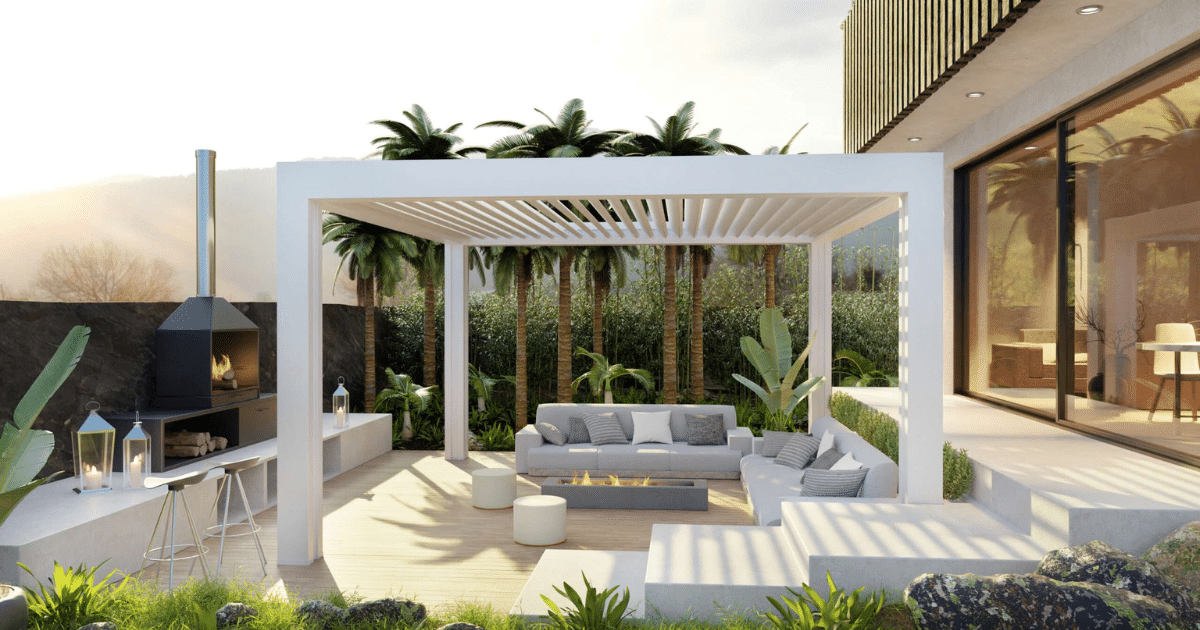
Pergolas are a popular option because they add style while providing filtered shade with an open, airy feel. Many homeowners train plants along the structure or add adjustable covers to control sunlight throughout the day. Retractable awnings provide flexible coverage that can be extended when needed and retracted to open up the sky. For the highest level of protection, a solid roof structure provides consistent coverage from both sun and rain, helping the outdoor kitchen function as a valid extension of the home.
- Pergola: Adds architectural style with filtered shade and flexible cover options.
- Awning: Offers adjustable shade that can be extended or retracted as needed
- Solid roof: Delivers complete protection from sun and rain for more consistent year-round use
Enhancing Appearance with Professional Painting Techniques
Professional painting can transform the feel of an outdoor kitchen by creating a more cohesive, finished design. A fresh exterior-rated coating on nearby walls, ceilings, patio posts, or surrounding structures helps tie the outdoor kitchen design into the rest of the outdoor living space. Color selection also influences the overall atmosphere, whether you want a bright, open feel or a warmer, more private setting. Thoughtful color pairing can help cabinetry, counters, and architectural features feel connected rather than mismatched.
Painting also supports durability when the right products and preparation methods are used. Exterior coatings are formulated to resist moisture, mildew, and sun-related fading, helping protect surfaces exposed to the outdoors. When applied to wood pergolas, trim, masonry, or concrete, quality coatings can extend surface life and reduce the need for frequent Repair. For homeowners seeking outdoor kitchen ideas that improve both appearance and long-term performance, a professionally planned paint approach can deliver a noticeable upgrade while helping protect key surfaces year-round.
Using Patio Enclosures to Create Year-Round Usable Space
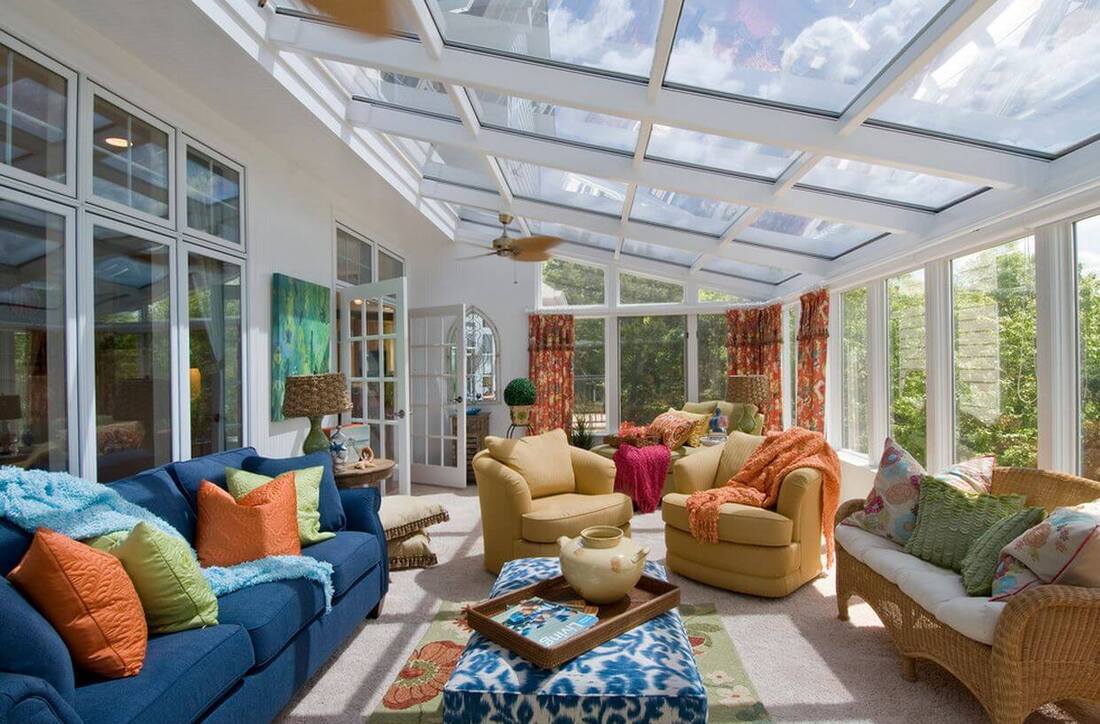
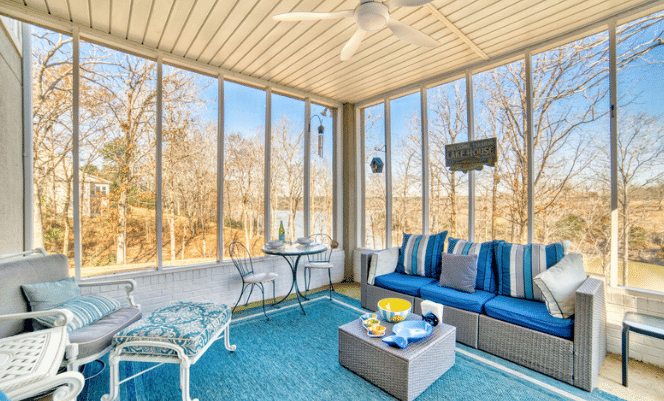
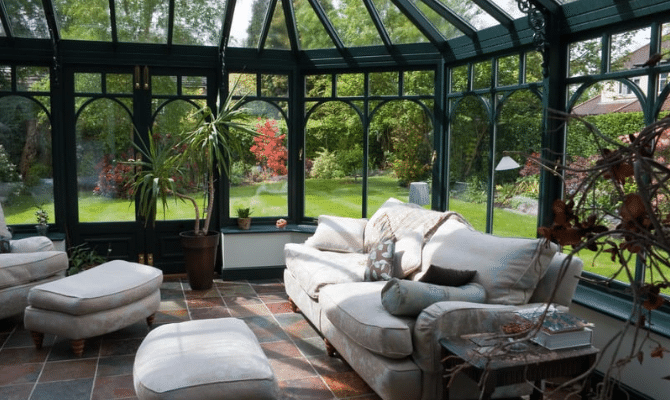
Patio enclosures are a great way to make your outdoor kitchen work year-round. When you close the patio with screens or windows, you can keep out bugs, pollen, and dirt while still enjoying fresh air. This simple step can significantly enhance the functionality of your space.
If you want to use your outdoor kitchen year-round, consider weather-resistant glass or vinyl-paneled patio enclosures. These materials will help block out wind, rain, and cold. You will have an outdoor living room that stays comfortable. With this solution, you can cook and eat outdoors anytime, regardless of the season.
Adding a patio enclosure makes your outdoor kitchen so much more helpful. It is not just a space you use for part of the year. It becomes a real extension of your home. Installing a patio enclosure is an innovative and practical way to get more out of your outdoor living space and enjoy alfresco living every day.
Selecting the right outdoor kitchen materials supports long-term durability, safer cooking, and a more polished outdoor living space. When you choose weather-ready surfaces such as granite, porcelain, or sealed concrete, and pair them with cabinetry built for exterior exposure, the kitchen retains its quality through sun, heat, and seasonal storms. Each material choice also shapes how the space functions day-to-day, from how easy it is to clean to how comfortable it feels for outdoor meals and gatherings.
At North Texas Home Exteriors, we help homeowners create outdoor kitchens designed for real Texas conditions, with materials and finishes selected for lasting performance and cohesive style. If you’re planning upgrades or starting fresh, contact us or give us a call to discuss layout needs, material options, and the best way to build a space that fits your cooking and hosting needs outdoors.
Frequently Asked Questions
What should I consider when selecting materials for outdoor kitchens in my area?
When searching for outdoor kitchens near you, start with local climate conditions. Sun exposure, humidity, and seasonal storms all affect material performance. We recommend selecting materials rated for exterior use that resist moisture, heat, and UV exposure. It also helps to choose finishes that complement the home’s exterior and are easy to maintain, so the outdoor kitchen remains functional and visually consistent over time.
Can I customize my outdoor kitchen design to match my home’s exterior?
Yes, customization allows the outdoor kitchen to align with the home’s exterior finishes, colors, and architectural style. Materials, textures, and layout can be selected to complement siding, roofing, and nearby outdoor features. This approach helps the outdoor kitchen feel like a natural extension of the home rather than a separate structure, while also supporting usability and long-term performance.
How does the North Richland Hills, TX, climate affect outdoor kitchen material selection?
North Richland Hills experiences intense sun, heat, and periods of high humidity. As a result, materials should resist UV fading, moisture absorption, and temperature changes. Stainless steel, sealed natural stone, porcelain, and marine-grade polymer are often reliable options. These materials enhance durability and help outdoor kitchens maintain quality in Texas weather.
What outdoor kitchen design layouts are most popular?
Popular outdoor kitchen layouts often feature straight-line or L-shaped layouts to facilitate smooth movement between cooking, prep, and serving areas. Bar-height seating is also common, allowing guests to gather without crowding the cooking zone. Many layouts include built-in grills, prep counters, and optional features like sinks or specialty cooking appliances to support entertaining.
How do I choose the best layout for my outdoor kitchen space?
The best layout depends on available space and how the outdoor kitchen will be used. Consider how often you cook, whether you host gatherings, and how close the kitchen sits to indoor access points. A layout that supports clear movement between cooking, prep, and serving areas helps improve efficiency and comfort during use.
How can I personalize my outdoor kitchen for hosting?
Personalization often starts with seating and lighting. Bar seating, nearby dining areas, and clear walkways help guests stay comfortable while meals are being prepared. Lighting supports evening use, while specialty features such as a pizza oven or beverage storage can complement your hosting style. The goal is to balance comfort with functionality so the space supports gatherings without crowding. For hosting-focused reminders that pair well with outdoor prep surfaces, USDA grilling and food safety guidance is a reliable reference.
Which materials perform best in all weather conditions?
Materials known for strong outdoor performance include 304-grade stainless steel, marine-grade polymer cabinetry, porcelain surfaces, and sealed natural stone like granite. These materials resist moisture, corrosion, staining, and sun exposure. When used together, they support a durable outdoor kitchen that requires less frequent Repair and ongoing care.
Is granite or quartz better for outdoor kitchens?
Granite is generally more suitable for outdoor kitchens. Quartz contains binding resins that can discolor or fade when exposed to direct sunlight over time. Granite is a natural stone that withstands outdoor conditions better when properly sealed, making it a reliable countertop option for outdoor cooking spaces. For a more straightforward side-by-side overview, see the Forbes comparison of quartz and granite, and match the choice to sun exposure and how the space will be used.
What countertop materials offer the highest durability?
No countertop material is completely indestructible, but porcelain and sintered stone are among the most durable. They resist heat, scratches, staining, and UV exposure. Granite and sealed concrete also perform well outdoors when properly maintained, making them strong choices for long-term outdoor kitchen use.
How can I improve energy efficiency in an outdoor kitchen?
Energy efficiency can be improved by selecting outdoor-rated appliances, using LED lighting, and planning layouts that minimize unnecessary lighting or power use. Shade structures and patio enclosures can also help manage temperature, reducing the need for supplemental heating or cooling and supporting more comfortable outdoor use throughout the year.