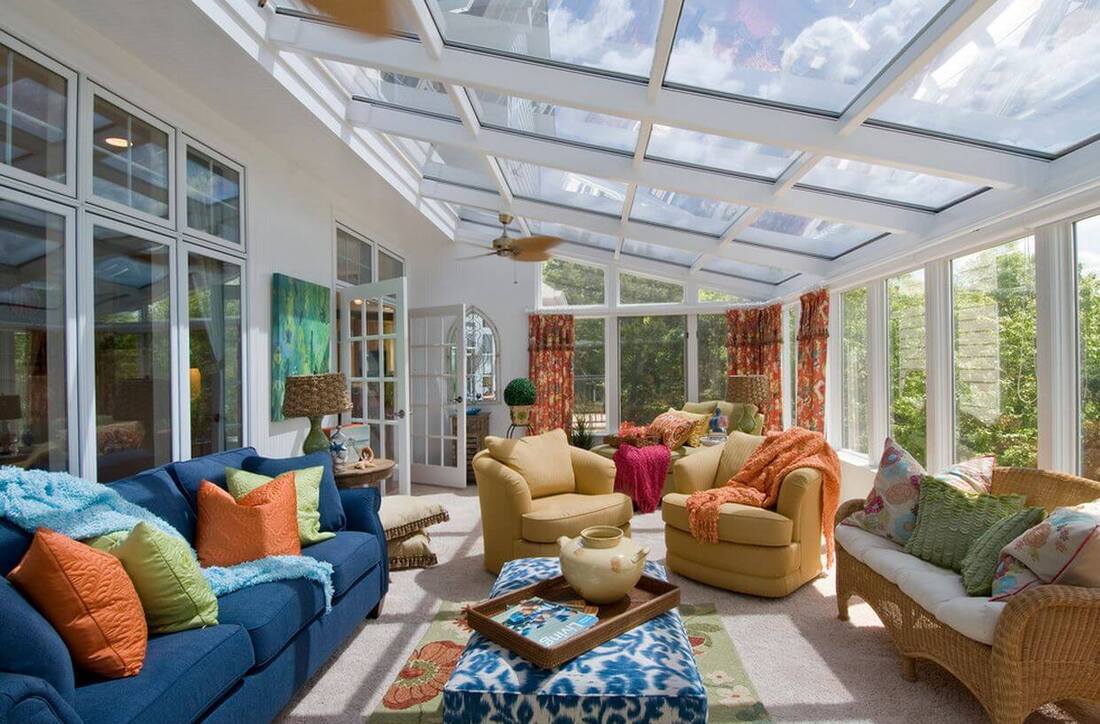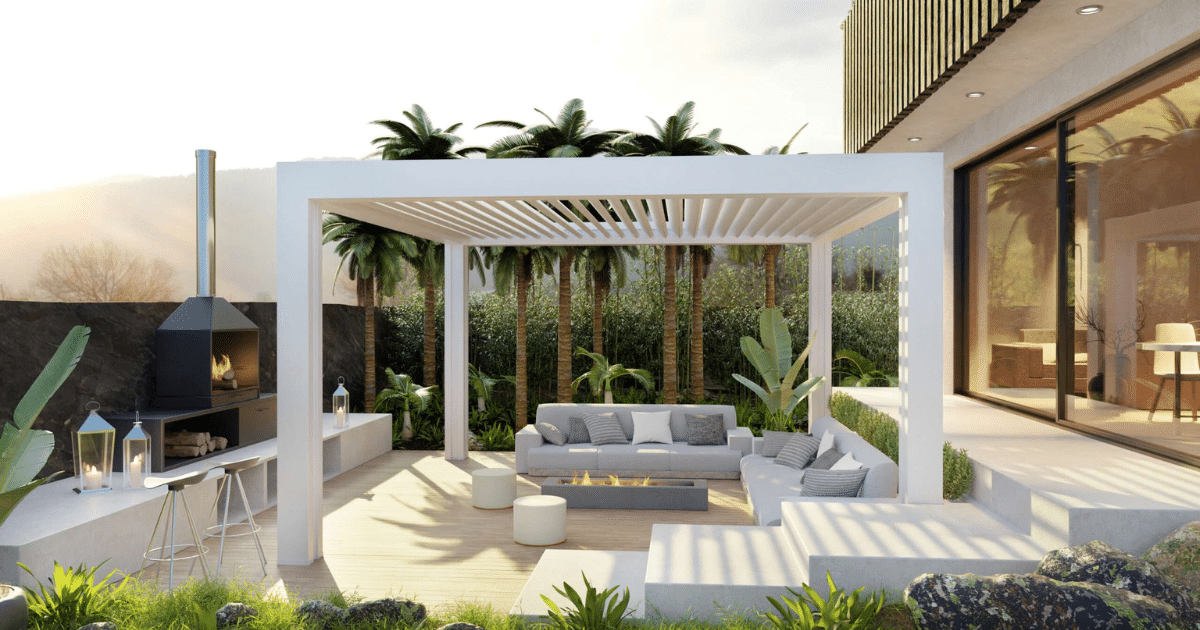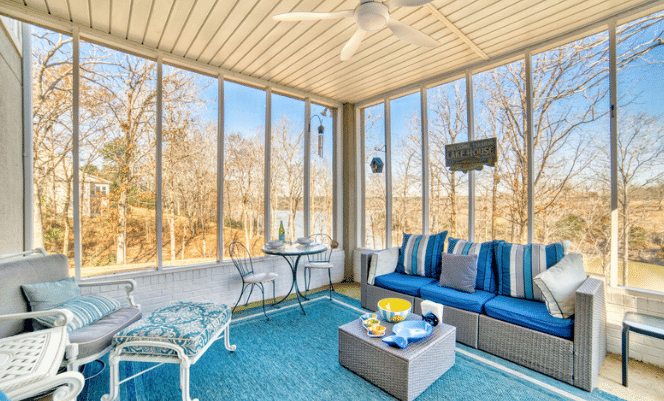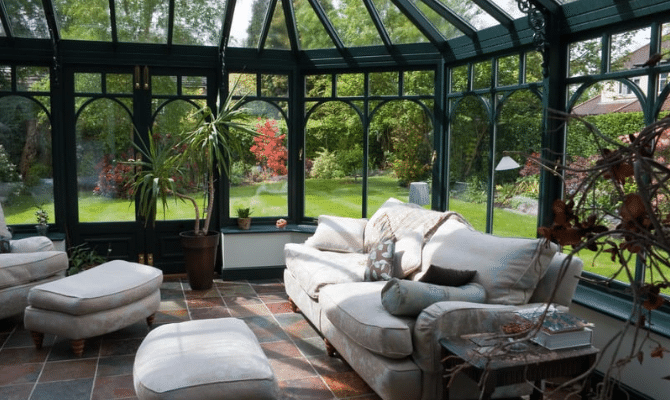
Many homeowners today want a space that brings natural light into the home while still providing comfort and protection from the weather. That is one reason sunrooms and patio enclosures have become popular home additions across North Texas. A sunroom creates a bright indoor environment that allows homeowners to enjoy outdoor views without dealing with wind, rain, insects, or extreme temperatures. Patio enclosures offer a similar benefit by surrounding an existing patio with screens or panels that provide added protection while maintaining an outdoor feel.
In North Richland Hills, TX, where sunny days are common throughout the year, sunrooms can become one of the most enjoyable spaces in the home. Whether used as a quiet reading area, a relaxing lounge, or a space for entertaining guests, a sunroom provides a comfortable transition between indoor and outdoor living. Before starting a project, it helps to understand how sunrooms work, the different types available, and the benefits they provide.
Important Things to Consider Before Adding a Sunroom
Before installing a sunroom, homeowners should evaluate a few key factors to make sure the space will be comfortable and functional year-round. A well-planned sunroom works best when it fits naturally with the home’s structure and outdoor layout.
Some of the most important things to consider include:
- Sunlight direction
The position of the sun throughout the day affects how warm the sunroom becomes. South-facing sunrooms usually receive the most sunlight. - Connection to the main house
Sunrooms are typically attached to the back or side of the home so homeowners can move easily between indoor living spaces and the sunroom. - Ventilation and airflow
Proper airflow helps prevent the room from becoming too warm during hot summer afternoons. - Window materials and insulation
High-quality windows help regulate temperature while still allowing natural light to enter the space. - Outdoor views and landscaping
Many homeowners design sunrooms to face gardens, patios, or backyard landscapes to create a relaxing atmosphere.
If you are planning to upgrade your outdoor living space, read “Patio vs. Sunroom: Which One Is Right for Your Home?”
Understand the Most Common Types of Sunrooms
Not all sunrooms are built the same. Different designs provide different levels of insulation and year-round comfort.
Common sunroom types include:
- Three-season sunrooms
These rooms are designed for use during spring, summer, and fall. They provide protection from rain and insects, but may not be fully insulated for winter temperatures. - Four-season sunrooms
These sunrooms are built with insulation and temperature control in mind. They often include insulated windows and can be used throughout the entire year. - Screened sunrooms
These rooms focus on airflow and outdoor views while keeping insects out. They typically use screen panels rather than full glass windows.
Each design works well depending on how homeowners want to use the space.
If you want to learn the benefits of patios and sunrooms, read “Reasons Homeowners Add Patios or Sunrooms to Their Homes.”
Choose the Right Sunroom Location
The placement of a sunroom affects both comfort and lighting. Most sunrooms are built along the back of the home, where they connect easily to living rooms or kitchens.
However, the best location often depends on how the backyard is arranged. A well-placed sunroom should offer pleasant views and easy access from inside the house.

Select Durable Sunroom Materials
Sunrooms rely on strong materials that allow sunlight to enter while maintaining structural strength. The quality of these materials can affect both comfort and durability.
Common sunroom materials include:
- Aluminum framing
- Vinyl framing systems
- Insulated glass panels
- Durable roofing materials
Plan for Temperature Control
One of the biggest challenges with sunrooms is temperature management. Large windows allow sunlight to enter the room, but they can also increase indoor heat during warm days.
Homeowners often improve comfort by adding:
- Ceiling fans
- Insulated window panels
- Sliding windows for ventilation
- Blinds or shades
Use the Sunroom as a Multi-Purpose Living Space
A sunroom can serve many different purposes depending on how it is designed.
Common uses include:
- Relaxing reading areas
- Indoor garden rooms
- Casual dining spaces
- Hobby or craft rooms
- Family lounge areas
When planning a sunroom, it’s important to consider factors like sunlight exposure, insulation, and ventilation to ensure the space is comfortable year‑round.
Improve Natural Lighting Inside the Home
Sunrooms can enhance interior brightness by allowing more natural light to enter nearby living areas.
- Sunrooms increase the amount of natural light entering the home.
- Additional daylight can make nearby rooms feel brighter.
- Natural lighting often helps spaces feel more open and welcoming.
- Sunrooms can serve as a transition area between indoor rooms and the backyard.
Enhance the Connection Between Indoor and Outdoor Living
Sunrooms help create a comfortable transition between indoor spaces and the outdoor environment.
- Sunrooms connect interior living areas with backyard views.
- Large windows allow homeowners to enjoy the outdoor scenery from inside.
- Unlike patios, sunrooms provide protection from the weather.
- Outdoor kitchens can further strengthen the connection between indoor and outdoor living areas.
- Homeowners can experience outdoor views while remaining indoors.
If you want to learn about patio materials and design options, read “Patio Design Ideas, Materials, and Benefits for Homeowners.”
Maintain the Sunroom for Long-Term Durability
Like any home addition, sunrooms benefit from routine maintenance. Regular care helps keep the space comfortable and visually appealing.
Maintenance tasks may include:
- Cleaning windows regularly
- Checking window seals for air leaks
- Inspecting the roof and framing
- Keeping ventilation systems clear
Understand Permits and Structural Planning
Building a sunroom often requires careful planning to meet local building regulations and safety standards.
- Sunrooms connect directly to the home’s structure.
- Local regulations may require permits before construction.
- Inspections may also be needed to meet safety requirements.
- These rules help ensure proper integration with the home’s framing and foundation.
- Homeowners should review local guidelines before starting the project.
- Consulting experienced contractors can help ensure proper planning and compliance.
Recognize the Long-Term Benefits of a Sunroom
Sunrooms provide several advantages beyond simply adding more square footage to the home.
When designed properly, sunrooms can:
- Increase usable living space
- Improve natural lighting
- Create a relaxing indoor retreat
- Enhance the overall appearance of the home
In communities like North Richland Hills, where outdoor scenery and sunny weather are common, sunrooms allow homeowners to enjoy natural light while staying comfortable indoors.
Sunrooms provide numerous benefits, including increasing usable living space and enhancing natural light, which improves the overall connection to the outdoors.
Common Sunroom Design Features Homeowners Often Add
Many homeowners customize their sunrooms with additional features that improve comfort, style, and everyday usability. These design elements can help turn a simple sunroom into one of the most enjoyable spaces in the home.
Some of the most popular sunroom upgrades include:
- Large panoramic windows
Expansive windows allow more natural light to enter the space and provide clear views of the backyard, garden, or patio area. - Sliding glass doors
Sliding doors create an easy transition between the sunroom and outdoor spaces, making the room feel more connected to the backyard. - Insulated flooring systems
Comfortable flooring helps regulate temperature and improves the overall feel of the room during both warm and cooler seasons. - Ceiling fans for airflow
Ceiling fans help circulate air and make the room more comfortable during hot summer days in North Texas. - Energy-efficient window panels
Modern insulated windows help maintain indoor temperatures while still allowing sunlight to fill the space.
Choosing the right combination of features helps homeowners create a sunroom that is both comfortable and practical for everyday living.
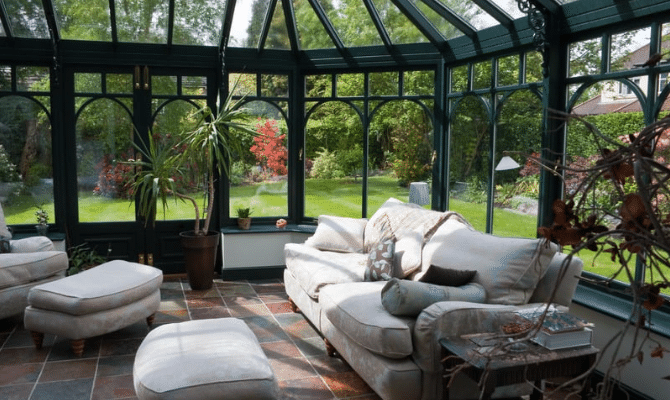
Transform Your Home with a Bright and Comfortable Sunroom
Adding a sunroom can dramatically change how homeowners experience their living space. With the right design, a sunroom becomes a peaceful place to relax, enjoy natural light, and stay connected to the outdoors while remaining protected from the weather.
For homeowners in North Richland Hills, TX, a professionally designed sunroom can enhance comfort, improve natural lighting, and expand everyday living space. If you are considering a sunroom addition, the experienced team at North Texas Home Exteriors can help evaluate your property, discuss your goals, and design a sunroom that fits your home perfectly. Contact us or give us a call to explore how a custom sunroom can transform your living space.