Creating a comfortable outdoor living space can make a big difference in how you enjoy your home. Many homeowners in North Richland Hills, TX, consider adding a patio, patio enclosure, or sunroom to expand their living area and enjoy the outdoors more often. Each option offers unique benefits, and the right choice depends on how you plan to use the space, your home’s layout, and the local climate.
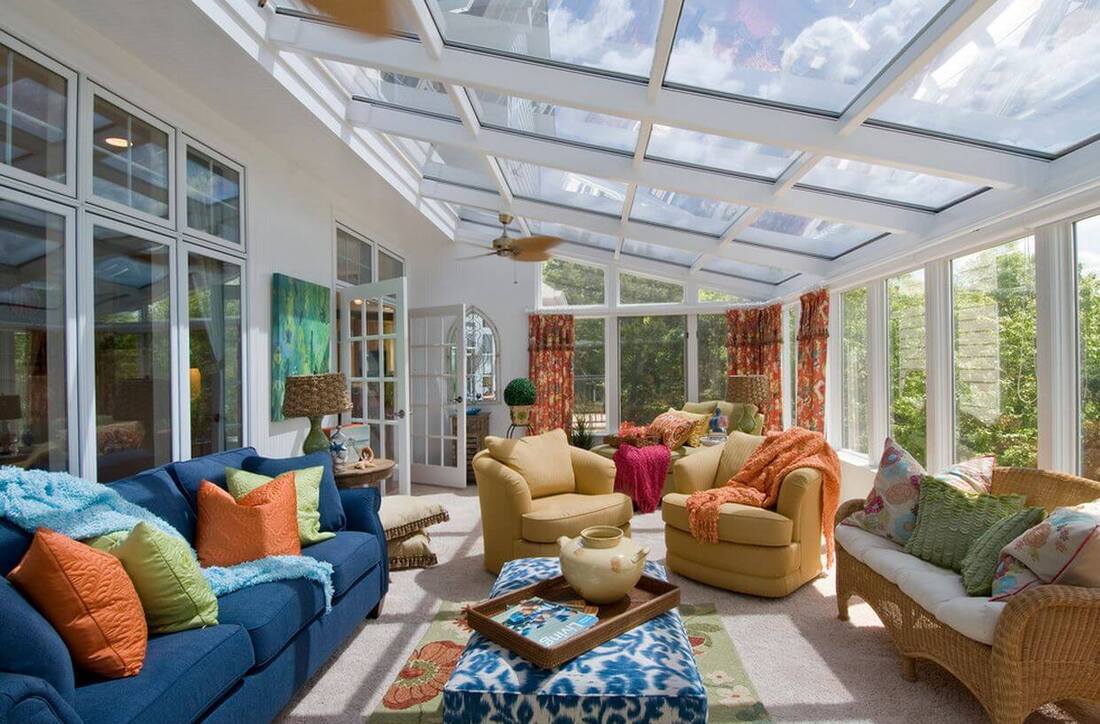
A patio provides an open outdoor area for relaxing, entertaining, or dining outside. A sunroom, on the other hand, offers a bright indoor space surrounded by windows that lets you enjoy natural light while staying protected from the weather. Understanding the differences between these two additions can help you choose the option that fits your home and lifestyle best.
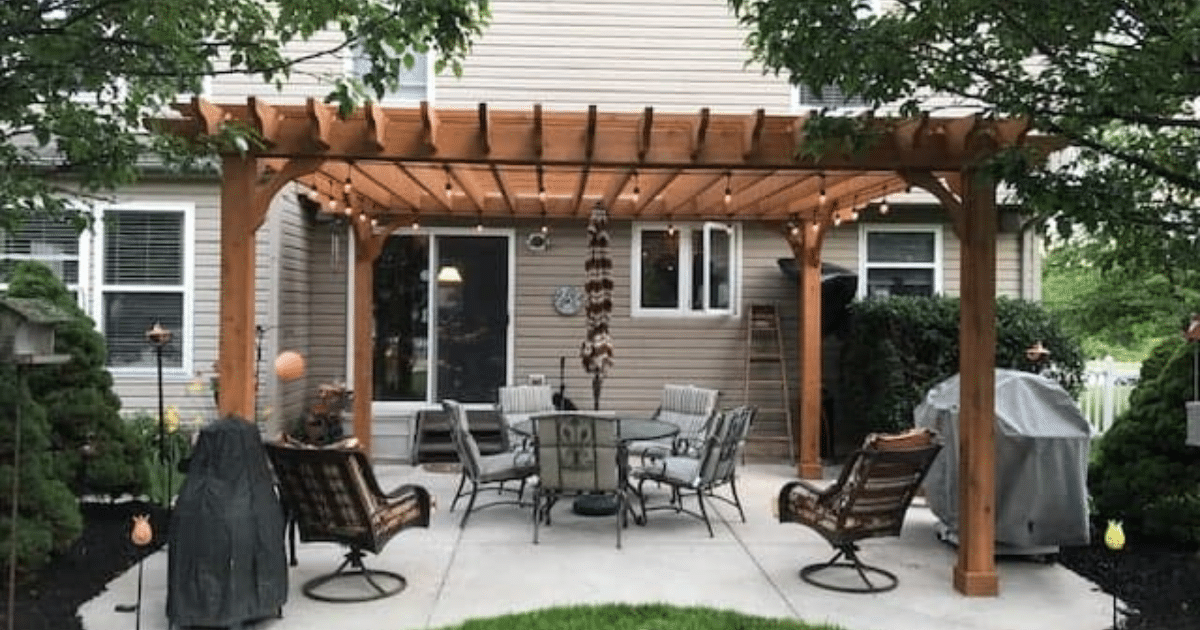
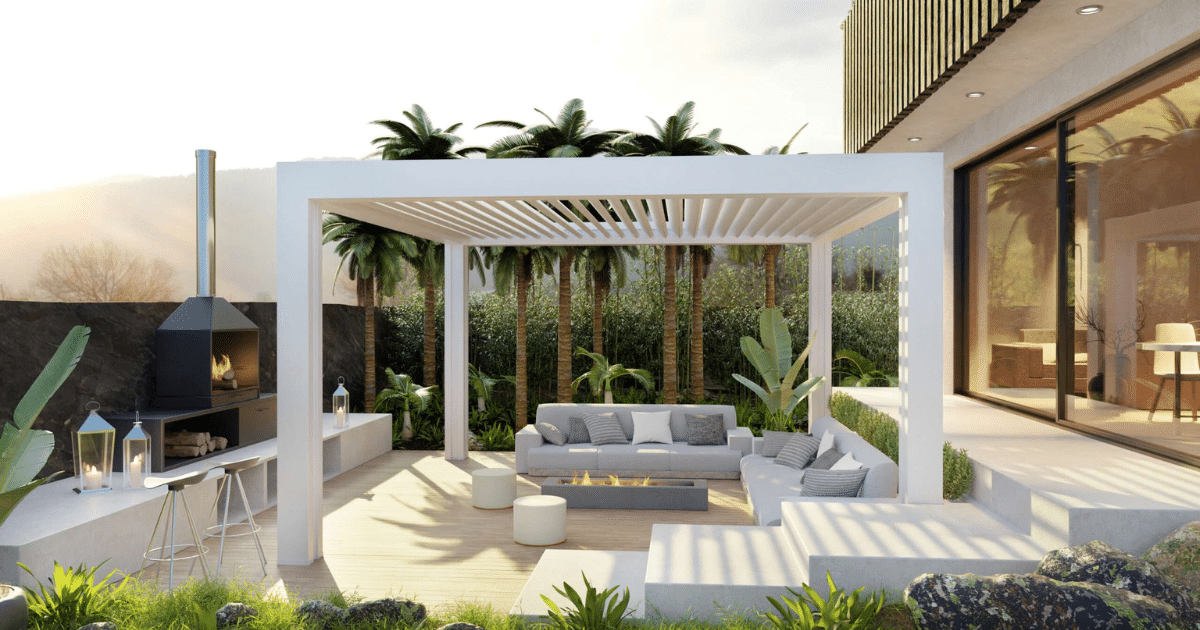
The first thing to think about is how you plan to use the new space. A patio is often used for outdoor dining, grilling, or relaxing with family and friends. Because it is open to the air, it creates a casual backyard setting that works well for gatherings and outdoor activities.
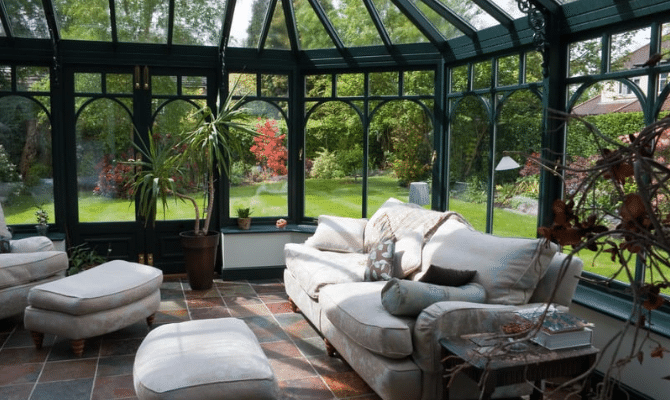
A sunroom creates a more controlled environment. Many homeowners use sunrooms as reading areas, small lounges, plant rooms, or even informal dining spaces. Because the room is enclosed, it can be used more consistently throughout the year.
If you want inspiration for your outdoor living space, read “Patio Design Ideas, Materials, and Benefits for Homeowners.”
Think About the Local Climate in North Richland Hills
The climate in North Richland Hills, TX, can influence whether a patio or sunroom fits your outdoor living goals.
- Summers in North Texas can become very hot.
- Sudden storms are also common in the area.
- Patios are often most comfortable during cooler mornings and evenings.
- Many patios need shade features such as pergolas, umbrellas, or covered roofs during peak summer heat.
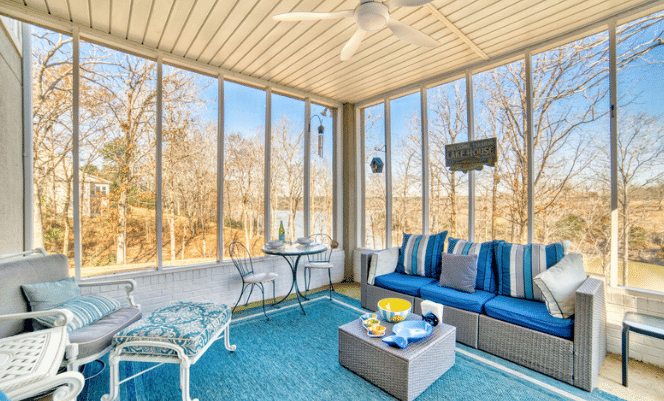
- Sunrooms provide protection from heat, wind, rain, and insects.
- Because they are enclosed, sunrooms can remain usable even during extreme weather.
According to the U.S. Department of Energy, proper insulation and weatherproofing are key to maintaining comfort and energy efficiency in enclosed spaces year‑round, especially in regions with extreme temperatures.
Evaluate the Amount of Available Backyard Space
Backyard layout is another important factor. Patios usually require open yard space and can be designed in many shapes and sizes, depending on the available area.
Common patio materials include:
- Concrete slabs
- Pavers
- Natural stone
- Brick surfaces
Because patios sit directly on the ground, they often blend naturally with landscaping features such as gardens, fire pits, or outdoor kitchens.
Sunrooms typically connect directly to the home and extend outward from an existing wall. This means they require a more structured design and a stable foundation. The available yard space and home layout may influence whether a sunroom can be added comfortably.
Understand the Difference in Construction Complexity
A patio is usually simpler to install because it involves preparing the ground and placing surface materials such as pavers or concrete. Most patios can be completed within several days, depending on the design and size.
Sunrooms require more detailed planning because they involve:
- Structural framing
- Roofing integration
- Window installation
- Electrical connections for lighting or outlets
These additional construction elements make sunrooms more complex projects compared to outdoor patios.
Outdoor spaces like patios, outdoor kitchens, and functional backyard areas are among the top upgrades homeowners prioritize to enhance backyard functionality and overall home appeal.
If you want to understand why outdoor living spaces are popular, read “Reasons Homeowners Add Patios or Sunrooms to Their Homes.”
Compare Maintenance Requirements
Maintenance is another factor many homeowners overlook when choosing between a patio and a sunroom.
Patios require routine outdoor maintenance, including:
- Cleaning the surface to remove dirt and debris
- Sealing stone or pavers periodically
- Checking drainage around the area
Sunrooms, because they function like indoor spaces, require maintenance similar to the rest of the home. This may include window cleaning, checking weather seals, and maintaining ventilation systems.
Both options remain durable when properly cared for, but the type of upkeep required is different.
Consider Year-Round Usability
How often you plan to use the space throughout the year can influence whether a patio or sunroom is the better option.
- Patios are enjoyable during pleasant weather.
- Many homeowners use them most in spring and fall.
- Rain, wind, and extreme heat can limit patio use.
- Sunrooms provide a protected indoor environment.
- Enclosed walls allow homeowners to enjoy sunlight and outdoor views comfortably.
- Sunrooms remain usable even during rain or colder weather.
Think About Home Value and Long-Term Benefits
Both patios and sunrooms can contribute to comfort and long-term property appeal when designed thoughtfully.
- Patios make backyards more appealing for relaxing and entertaining.
- They are popular outdoor features for gatherings and leisure time.
- Sunrooms add additional living space to the home.
- Because they are enclosed, they may contribute to usable square footage.
- Both options can improve a home’s overall appeal.
Check Permits and Structural Requirements
Understanding local building rules is an important step before starting any home improvement project.
- Some additions require permits or inspections.
- Sunrooms usually require formal approval due to structural changes.
- Building permits and inspections may be necessary to meet safety standards.
- Patios may have fewer permit requirements, especially ground-level designs.
- Homeowners should still review local guidelines before construction.
Plan for Comfort and Outdoor Lifestyle
Comfort and how the space fits daily activities can help guide the decision.
- Patios provide an open-air setting for relaxing or entertaining guests.
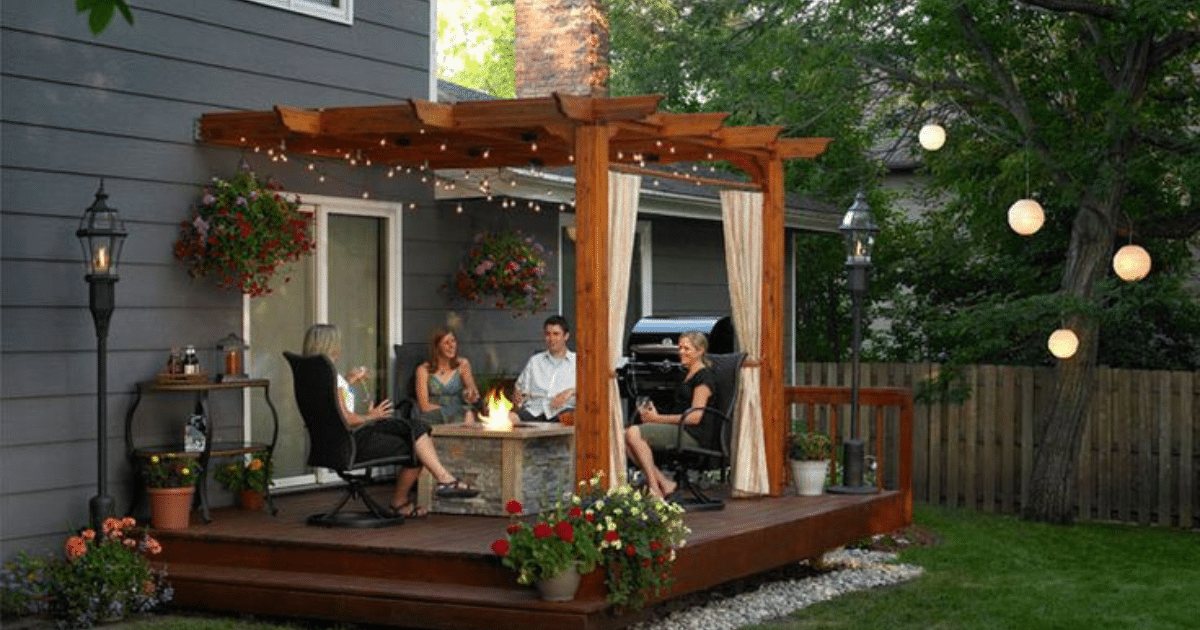
- Shade structures or pergolas can improve comfort.
- Outdoor fans and furniture can enhance the patio experience.
- Landscaping can help create a relaxing backyard atmosphere.
- Sunrooms offer a bright indoor space filled with natural light.
- Many homeowners use them for reading, relaxing, or enjoying backyard views.
If you want to bring more natural light into your home, read “Sunroom Types, Features, and Benefits for Modern Homes.”
Think About Long-Term Flexibility
It is also helpful to consider how easily the space can adapt to future needs.
- Patios can be upgraded with features like outdoor kitchens or fire pits.
- Pergolas and shade structures can be added later.
- Some homeowners later convert patios into sunrooms.
- Planning ahead can make future upgrades easier.
- Sunrooms function as enclosed living spaces from the start.
Choosing the Best Outdoor Living Space for Your Home
Both patios and sunrooms offer excellent ways to improve how you enjoy your home. Patios create open outdoor areas perfect for gatherings and backyard relaxation. Sunrooms provide bright, enclosed spaces that allow you to enjoy natural light while staying comfortable indoors.
The right choice depends on how you want to use the space, your home’s layout, and how the North Texas climate affects your outdoor lifestyle. If you are considering adding a patio or sunroom to your property in North Richland Hills, TX, North Texas Home Exteriors can help guide you through the planning process. We can evaluate your space, discuss your goals, and help you create an outdoor living area that fits your home and lifestyle. Contact us or give us a call to explore the possibilities and start transforming your outdoor space into a place you will enjoy for years to come.