Are you thinking about adding more cooking and entertaining to your backyard? An outdoor kitchen can enhance outdoor living by combining meals, conversation, and hosting in a single outdoor zone. Space is the first question for many homeowners, especially when the yard feels limited. The right outdoor kitchen design can make a compact patio, side yard, or deck feel organized and functional without crowding walkways so that you can cook outside more often.
In this article, you’ll learn practical space guidelines for different layouts, from a simple grill-and-prep counter setup to larger L-shaped and U-shaped outdoor kitchens. We’ll cover clearance needs for safe movement, appliance placement, and seating, plus tips for planning utilities and storage. With a clear plan, you can select features that match your routine and create an outdoor kitchen that fits your backyard comfortably in every season and occasion.
Understanding Outdoor Kitchen Space Needs in North Richland Hills, Texas
In North Richland Hills, planning an outdoor kitchen means thinking beyond adding a grill to the backyard. Local weather patterns, sun exposure, and how often you plan to cook outdoors all factor into how much space you need. Some homeowners want a compact setup for family meals, while others want room to host larger gatherings. The design should align with how you plan to use the space and how your yard naturally flows.
Before selecting appliances or finalizing a layout, it’s essential to evaluate the available outdoor area. A careful inspection of the space helps determine how cooking zones, dining areas, and seating can work together without crowding walkways. This early planning stage supports better layout decisions, smoother movement, and a more comfortable outdoor environment that feels intentional rather than forced.
Before planning your footprint, it also helps to read What Should You Include in an Outdoor Kitchen? to understand which features truly matter and how they affect the space you’ll need.
Assessing Your Backyard for the Ideal Outdoor Kitchen Footprint
To determine whether your yard has enough room for an outdoor kitchen, start by measuring the area you plan to use. Note how close that space is to the home, since distance can affect where utility lines can run and where appliances can be placed. Next, take inventory of what’s already there: patio edges, existing structures, landscaping, and doorways, so the outdoor kitchen doesn’t block main walkways or create tight traffic patterns. A layout works best when it leaves clear paths for carrying food, moving between zones, and gathering comfortably.
Consider the outdoor living experience you want day-to-day. A simple grill-and-prep setup can fit within a smaller footprint, while a complete outdoor kitchen with multiple appliances, counters, and seating requires more space for safe movement and natural flow. Planning how you cook and host helps you select a layout that feels comfortable rather than crowded.
A practical way to visualize space is to outline the proposed footprint on the ground. Use tape, chalk, or marking paint to map where counters, the grill, and seating might sit. Walking through the outline helps you inspect clearances, test movement, and confirm that the outdoor kitchen fits your patio and backyard without disrupting how the space is used.
Popular Outdoor Kitchens Ideas for Every Yard Size
Finding outdoor kitchen design ideas that work well starts with matching the project footprint to the space you actually have. You don’t need a large backyard to create a functional outdoor cooking and dining area. With the proper layout and a focused set of features, even a compact patio can support cooking, serving, and hosting without feeling crowded.
Smaller yards often perform best with a simple plan that keeps essentials close together. Medium yards provide room for added convenience features and a more defined serving zone. Larger yards allow for multiple zones, cooking, prep, dining, and lounging, so guests can gather comfortably while the cooking area stays organized.
Here are outdoor kitchen ideas based on yard size:
- Small Yards: A straight-line setup along a wall or fence with a grill, prep counter, and compact storage
- Medium Yards: An L-shaped layout that supports more counter space, plus options like a sink, outdoor-rated fridge, and bar seating
- Large Yards: A U-shaped layout or island design with additional appliances, expanded seating, and upgrades like a pizza oven or dedicated bar area
Planning for Essential Features Like Custom Outdoor Kitchens, Patio Enclosures, and Shade Structures
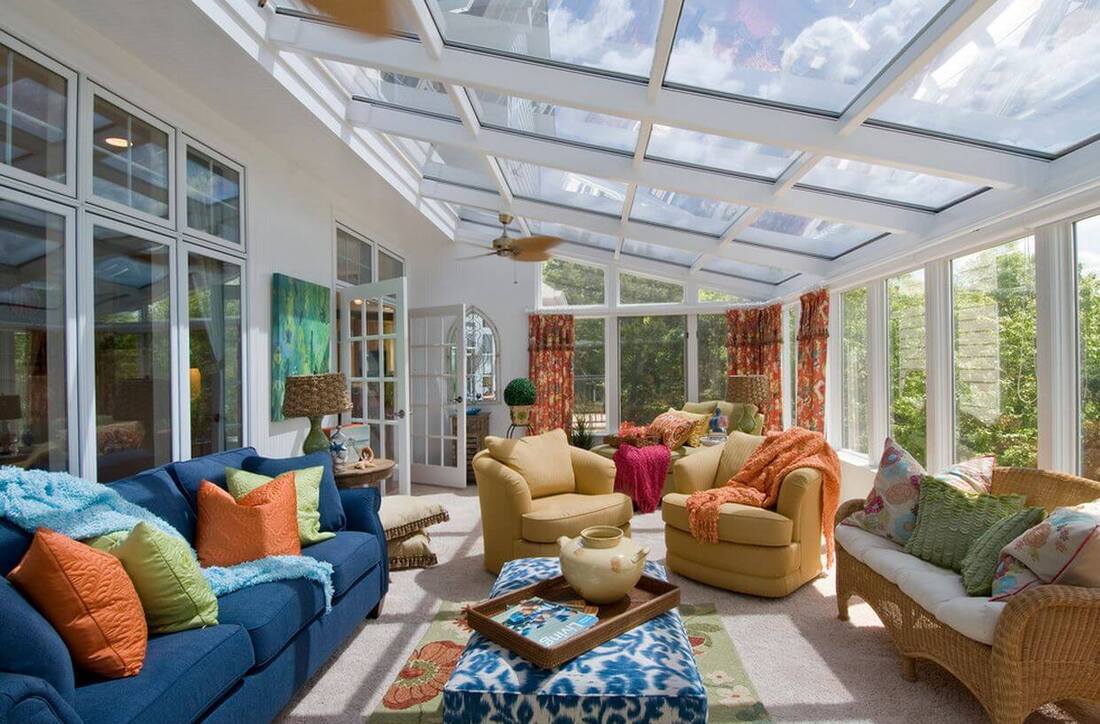
When planning an outdoor kitchen layout, it helps to consider more than the cooking zone. Patio enclosures and shade structures can make the space more comfortable, especially under the Texas sun. Added coverage can reduce direct heat exposure, provide shelter during light rain, and create a more enjoyable setting for cooking and hosting. It can also help protect outdoor kitchen surfaces and appliances from ongoing exposure to the elements.
Custom outdoor kitchens are designed to maximize your available space, including on smaller patios. With careful planning, a designer can help you fit key features, such as a grill, prep counters, and storage, while keeping walkways open and the patio usable for seating and movement. The goal is a layout that supports daily use without crowding the outdoor living area.
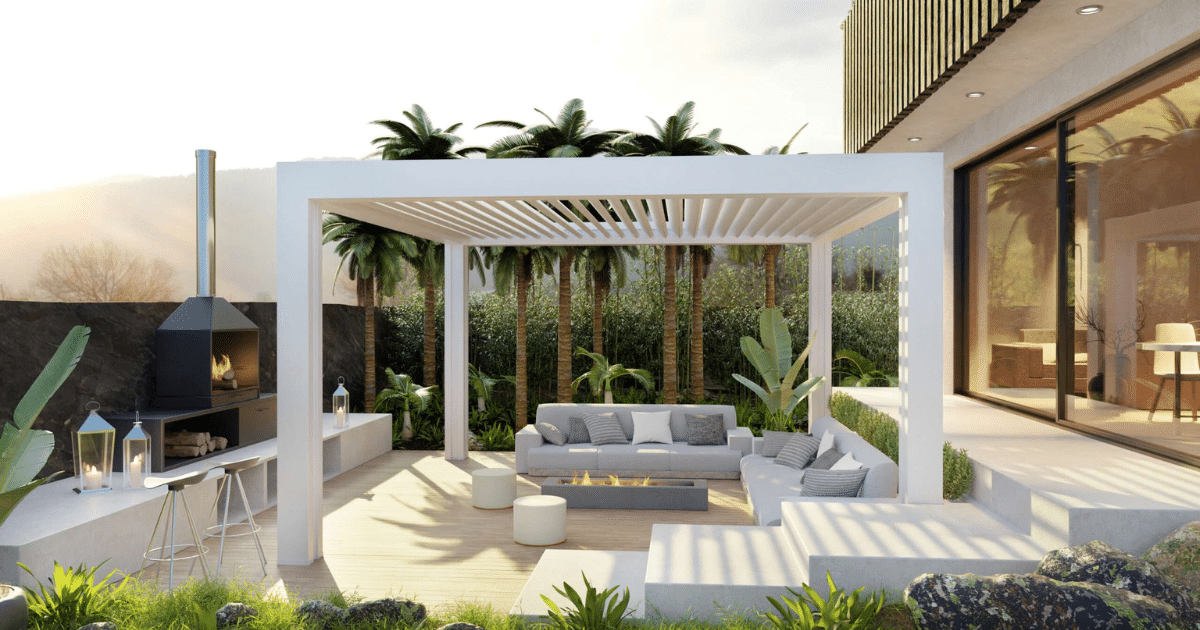
It’s best to plan these structures early in the design process. A pergola, covered patio, or enclosure can define the kitchen area within the larger outdoor setup while improving comfort throughout the day. When the kitchen footprint and shade elements are planned together, the finished space tends to feel more cohesive and connected to the home.
For additional layout planning ideas and reminders to check local building and fire safety rules, review This Old House’s outdoor kitchen layout tips.
Designing the Best Outdoor Kitchen Layout for Function and Comfort
Once you know how much space you can dedicate, it’s time to plan an outdoor kitchen layout that supports both comfort and day-to-day functionality. The strongest layouts create clear zones for cooking, food preparation, and relaxing, helping movement stay smooth for the homeowner at the grill and for guests nearby. When each zone has enough room to function, the outdoor kitchen feels organized, walkways remain open, and the space is less likely to feel crowded during meals or gatherings.
A helpful planning approach is the kitchen work triangle, which focuses on how the primary cooking appliance, sink, and refrigerator are arranged. Even in an outdoor setting, placing these key elements within practical reach reduces extra steps and keeps cooking tasks efficient. With thoughtful appliance placement, adequate counter space, and seating positioned to avoid traffic bottlenecks, even a smaller outdoor kitchen can feel open, comfortable, and simple to use.
Space Requirements for Cooking Zones, Seating, and Gathering Areas
Choosing the best outdoor kitchen layout starts by dividing the footprint into clear functional zones. The cooking zone, where the grill and other cooking appliances are located, should have proper ventilation and sufficient separation from main walkways so guests can move comfortably without crossing the cooking area. The preparation zone needs uninterrupted counter space for food prep and serving. At the same time, the seating and gathering area should allow guests to relax without blocking access to appliances or prep counters.
Storage also plays a major role in functionality. Quality cabinetry and drawers help keep tools, utensils, and serving items organized so the outdoor kitchen stays easier to use during daily meals and larger gatherings. A common planning guideline is to allow at least 36 inches of clearance in front of appliances and cabinets. That clearance supports smooth movement and safe access without making the space feel tight.
Here is a general guide to space requirements:

From Painting Finishes to Shade Structures
A great outdoor kitchen should be more than just having a few appliances and countertops. Adding features such as shade structures and high-quality finishes will help you make the most of your outdoor living space. For example, a pergola can indicate the kitchen area and keep the sun off you.
When selecting surfaces, it is essential to use appropriate painting methods and finishes to ensure they last. Choose paints and sealants made for outdoor use. These help prevent water, sun, and temperature changes from causing problems. This is especially important for areas that are not made of stainless steel.
If you want strong cabinetry, try powder-coated stainless steel cabinets. These cabinets look sleek and require minimal maintenance to stay looking nice. The finish you pick does more than just look good. It will also provide your outdoor kitchen and its appliances with a robust layer of protection. This way, you can continue using your outdoor kitchen for many years and enjoy every part of your outdoor living experience.
Balancing Aesthetics and Utility in Custom Outdoor Kitchen Design
A custom outdoor kitchen design works best when style and daily functionality are integrated. The space should feel polished and inviting, but it also needs to perform reliably every time a homeowner cooks or hosts outside. Finding that balance starts with a layout that supports smooth movement, materials that withstand outdoor conditions, and appliances that match how you actually prepare meals.
Outdoor kitchen cabinetry is a strong example of where function and design can align. Well-built cabinets provide secure storage for tools and serving items while also shaping the kitchen’s overall visual finish. Islands are another flexible feature because they can offer additional food-prep surface and create a natural gathering point for guests. Appliance selection matters as well, choosing models that support your cooking routine while blending with the overall design helps the space feel cohesive rather than pieced together.
The goal is to avoid choosing appearance or utility alone. When both are considered from the start, the outdoor kitchen becomes easier to use, more comfortable for hosting, and more visually consistent with the rest of the outdoor living area.
If you’re also considering long-term returns, read Do Outdoor Kitchens Increase Home Value? to see how design, materials, and layout can influence resale appeal.
Materials and Structures That Maximize Outdoor Kitchen Usability
Material and structure choices play a significant role in how usable an outdoor kitchen feels over time. In Texas, durability is essential because intense sun, humidity, and temperature swings can accelerate wear on surfaces and components when they are not designed for outdoor exposure. Selecting outdoor-rated materials helps protect the space, supports long-term quality, and reduces the need for repairs or replacements.
Think through every surface and structure that impacts daily use. Countertops should resist heat, moisture, and staining from regular cooking. Cabinetry and hardware should be built to withstand outdoor conditions so storage remains reliable. Shade structures, such as pergolas, patio covers, or enclosures, should also be built with materials that withstand the elements while enhancing comfort during cooking and gatherings. When these choices are planned together, the outdoor kitchen stays easier to use, more comfortable, and more resilient season after season.
To make smart choices that hold up in North Texas weather, read What Are the Best Materials for Outdoor Kitchens? and learn which options offer the best durability, performance, and long-term value.
Choosing Durable Materials for North Texas Weather Conditions
North Texas weather places real demands on outdoor kitchen surfaces. Intense heat, prolonged sun exposure, humidity, and occasional cold snaps can cause weaker materials to wear down quickly. That’s why durability should guide every selection. For countertops, non-porous options such as granite, quartzite, and concrete perform well outdoors because they resist moisture, heat, and staining while maintaining their finish through seasonal changes.
Stainless steel cabinetry is widely selected for outdoor kitchens in this region because it withstands moisture, pests, and temperature fluctuations without corroding. When rated for outdoor use, stainless steel cabinets help protect stored items and maintain a clean, structured appearance. Powder-coated finishes are another option for homeowners who want added color while increasing surface protection against environmental exposure.
Every material should support both daily use and long-term performance. When weather-resistant surfaces and structures are selected from the beginning, the outdoor kitchen requires less ongoing attention and remains dependable year after year. This approach supports stronger functionality and lasting durability for homeowners who want an outdoor kitchen built to handle North Texas conditions.
The Role of Patio Enclosures and Shade Structures in Outdoor Living
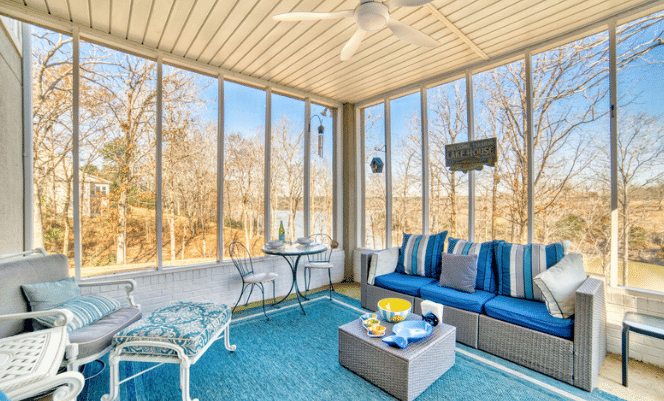
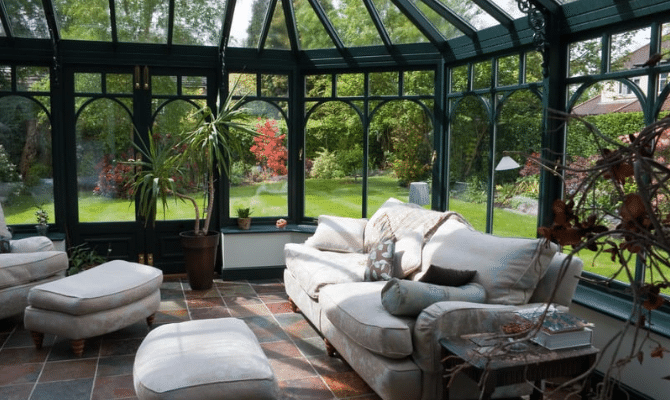
Patio enclosures and shade structures can make an outdoor living area more comfortable and usable year-round. These additions help transform an open patio into a more protected entertainment space, making it easier to cook, dine, and relax in changing conditions. A pergola, patio cover, or roof structure can reduce direct sun exposure during hot months and provide shelter from light rain, helping extend the period a homeowner can use the outdoor kitchen.
Professional installation can also ensure safer results and a cleaner, more consistent finish that complements the home’s exterior. When structures are planned with the outdoor kitchen footprint, utilities, and traffic flow in mind, the space tends to feel more cohesive and perform better during daily use and gatherings.
Benefits of patio enclosures and shade structures include:
- More comfortable outdoor time in a wider range of conditions
- Added protection for outdoor kitchen appliances and patio furnishings
- A defined space that feels more inviting and purpose-built
- Options to include features like fans, lighting, or screens for added comfort
With the right structure in place, outdoor living becomes more flexible and enjoyable, allowing the patio and outdoor kitchen to function as a true extension of the home.
For additional guidance on planning covered spaces and outdoor durability, HGTV shares professional planning tips for outdoor kitchen builds.
Enhancing Your Outdoor Space with the Right Painting Techniques and Surface Finishes
Final touches, such as painting and surface finishes, can bring an outdoor kitchen design together and add personality to the space. These details help unify cabinetry, surrounding walls, and built-in features so the outdoor area feels cohesive rather than pieced together. Because outdoor environments experience intense sun, humidity, and temperature fluctuations, finish selections should prioritize durability.
Select high-quality exterior-rated products designed for changing weather. For stucco or masonry near heat sources such as a pizza oven, use coatings that allow the surface to breathe and flex, helping reduce cracking and moisture issues. For wood features, exterior stains and sealants can protect against moisture and UV exposure while preserving the natural grain. Metal surfaces may require coatings designed to resist corrosion and maintain a consistent appearance through seasonal changes.
Surface preparation is just as necessary as the finish itself. Inspect the area, remove buildup, and confirm surfaces are clean and dry before applying primer or sealant where needed. Proper preparation helps coatings bond more effectively, improves long-term durability, and keeps the outdoor kitchen finish looking consistent over time.
Knowing how much space you need for an outdoor kitchen helps you plan a setup that feels comfortable, functions smoothly, and fits your backyard without crowding key walkways. When you start by inspecting the available area and then select features based on how you cook and host, your outdoor living space can feel more organized and easier to use. Thoughtful planning also improves flow between the cooking, prep, seating, and gathering zones, making outdoor meals feel more relaxed.
At North Texas Home Exteriors, we help homeowners plan outdoor kitchens around real routines, available space, and materials that hold up in Texas weather. If you want help mapping the right footprint, selecting features that match your hosting style, or planning a layout that feels natural, contact us or give us a call to discuss options and create an outdoor kitchen that fits your backyard.
Frequently Asked Questions
How do I know if my yard has enough space for an outdoor kitchen?
Start by measuring the area where you want the outdoor kitchen. Map where the grill, prep counter, and storage would sit, then inspect how movement changes around doors, walkways, and seating. Many homeowners are surprised by how functional a smaller footprint can be when the layout is planned well. A professional can also help confirm clearances, utility placement, and a footprint that supports comfortable traffic flow.
Can outdoor kitchens near me be customized for smaller patios?
Yes. Custom outdoor kitchens can be designed for smaller patios by prioritizing essentials and selecting space-efficient appliances and cabinetry. An innovative layout keeps walkways open while still supporting a solid cooking zone, prep space, and protected storage. The goal is to create a setup that feels organized and easy to use, rather than crowded.
Is it worth investing in professional installation for custom outdoor kitchens or patio enclosures?
Professional installation can be a smart choice because outdoor kitchens often involve gas, electrical, plumbing, or structural work. A qualified expert can help ensure the project remains aligned with local requirements and support safe installation of appliances, enclosures, and shade structures. This also improves long-term performance, especially in Texas conditions where heat and exposure can affect materials and parts.
What are some popular outdoor kitchen design ideas for different yard sizes?
For smaller yards, a straight-line layout along a wall or fence often works best. Medium yards typically feature an L-shaped layout that adds counter space and creates a natural serving area. Larger yards can handle U-shaped layouts or island designs that support multiple zones for cooking, prep, and gathering. The best option depends on how you host and how you want traffic to flow.
How can I choose the best layout for my outdoor kitchen space?
Choose a layout that supports clear zones for cooking, food preparation, and seating. Appliance placement should allow smooth movement between the grill, sink, and refrigerator while keeping guests out of the main work area. Planning for proper clearance in front of cabinets and appliances also supports better functionality and comfort during daily use and gatherings.
What materials work best for building durable outdoor kitchens?
In Texas, durable outdoor kitchens often use weather-ready materials that handle sun, heat, and humidity. Non-porous countertops such as granite, quartzite, or concrete can resist moisture, stains, and heat. Stainless steel cabinetry rated for outdoor use is also common because it resists corrosion and helps protect stored items. Material performance may vary based on direct sun exposure and the level of coverage in the space.
Is it worth hiring a professional for outdoor kitchen installation?
Start with essentials: a primary cooking appliance, prep counter space, and storage for tools and serving items. Many homeowners also add an outdoor-rated refrigerator to keep ingredients and drinks nearby. A sink can make cleanup easier and reduce indoor trips. For frequent hosting, upgrades such as additional serving space or specialty appliances may be considered, depending on the available footprint.
What features should I include in a custom outdoor kitchen design?
Hiring a professional can help when the project includes utilities, structural work, or built-in appliances. An expert can coordinate layout planning with gas, water, and electrical needs and support safer installation. This is especially helpful when you want a finished, built-in outdoor kitchen that performs consistently over time.
How do I plan an outdoor kitchen?
Start by outlining the footprint, then select the essential appliances and cabinetry early since their dimensions affect the layout. Plan utility locations, gas, electrical, and water, before finalizing surfaces and finishes. After that, confirm clearances for walkways and appliance access so the outdoor kitchen remains comfortable to use. Project scope, materials, and installation details can affect timelines and totals, so results may vary.
What should I consider when designing an outdoor kitchen?
Focus on how the space will function during real use. Consider how you cook, how often you host, and how guests will move through the area. The outdoor kitchen should support smooth movement between cooking and prep zones, while seating stays close enough for conversation without blocking the work area. Durable materials, adequate lighting, and protected storage also help the space stay comfortable and easier to maintain over time.