Many homeowners want upgrades that improve daily living while also enhancing resale value. Outdoor kitchens have become a popular choice because they expand usable outdoor living space and create a dedicated area for cooking, dining, and hosting without having to stay indoors.
An outdoor kitchen can increase home value when it’s designed as a permanent, well-built feature that integrates with the home and backyard layout. Materials, installation quality, and how the space functions all influence buyer appeal. When the outdoor kitchen feels like a valid extension of the home, it can help the property stand out in a competitive market and strengthen overall perceived value.
Understanding Outdoor Kitchens and Their Impact on Home Value
An outdoor kitchen offers more than a place to grill. It creates a dedicated cooking and serving area, making the backyard feel like an extension of the indoor kitchen. As outdoor living continues to grow in popularity, many buyers view a well-built outdoor kitchen as a lifestyle upgrade, which can strengthen overall property appeal and support higher perceived value.
Design choices play a significant role in the impact of an outdoor kitchen. Current outdoor kitchen design trends focus on durable materials, smart layout flow, and features that make hosting easier. Digital planning tools can help visualize layout options, but working with a professional can help ensure the space functions well, fits the property, and holds up over time. When the outdoor kitchen is designed with usability and long-term performance in mind, it is more likely to stand out to future homeowners.
To better understand how design choices influence value, it’s helpful to read What Should You Include in an Outdoor Kitchen? and see which features buyers tend to notice most.
What Defines an Outdoor Kitchen in Today’s Market?
In today’s real estate market, an outdoor kitchen is more than a standalone grill on a patio. It is a dedicated outdoor cooking and hosting space designed to function like an extension of the indoor kitchen. Most modern outdoor kitchen designs include a built-in grill, ample counter space for food preparation and serving, and durable cabinetry that protects supplies from the elements.
Buyers also tend to value outdoor kitchens with exterior-rated, quality appliances built to handle sun, heat, and moisture. Depending on the layout, the space may include a sink with running water, an outdoor refrigerator, and specialty cooking appliances that support complete meal preparation. The goal is convenience, enabling cooking, serving, and cleanup outdoors with fewer trips inside.
Design cohesion matters as well. When countertops, finishes, and materials align with the home’s exterior style, the outdoor kitchen feels permanent and intentionally planned. That combination of functionality, durable materials, and a cohesive design can strengthen buyer appeal and support higher perceived property value.
Evolution of Outdoor Kitchen Design Trends
Outdoor kitchen design trends have shifted significantly over the past decade. Early outdoor kitchens were often simple setups built around basic grilling needs. Today, many homeowners want outdoor kitchen designs that feel refined, convenient, and seamlessly integrated with the rest of the outdoor living space. Backyards are now treated as functional living areas where cooking, dining, and hosting happen regularly, not just occasionally.
One major shift is the widespread use of high-performance stainless steel appliances, selected for durability and a clean, modern style. Many outdoor kitchens now reflect indoor kitchen priorities, including efficient layouts, upgraded finishes, and features that support consistent use. Current outdoor kitchen design trends also emphasize comfort and atmosphere, with features such as lighting, integrated audio, and patio heaters becoming more common. With these upgrades, the outdoor kitchen becomes more than a cooking zone, serving as a year-round space for outdoor meals and relaxed gatherings.
Popular Outdoor Kitchens Ideas for Modern Homes
Outdoor kitchen ideas for modern homes often focus on creating a space that supports both cooking and hosting. Instead of treating the backyard as a secondary area, many homeowners want an outdoor kitchen that functions as an actual gathering spot, with a layout that keeps food prep, serving, and conversation connected. The most effective designs combine practical features with details that create a comfortable atmosphere.
Popular outdoor kitchen features include:
- Wood-fired pizza oven: Supports homemade pizzas and expands outdoor cooking options
- Built-in bar area: Adds seating and can consist of beverage storage for convenient hosting
- Fire pit or fireplace: Adds warmth and helps create a more inviting outdoor living space
- Innovative features: Lighting automation and connected appliances that improve ease of use
Why Homebuyers Value Outdoor Kitchens
Homebuyers often want more than extra square footage. Many are also seeking a home that supports a comfortable lifestyle, including outdoor living spaces that feel intentional and easy to use. An outdoor kitchen creates a dedicated space for cooking, dining, and hosting, making the backyard feel like a valid extension of the home. Because it adds functional living space outdoors, this feature can strengthen overall buyer interest and support higher perceived property value.
A well-planned outdoor kitchen also signals that the home is designed for gathering and everyday enjoyment. Buyers tend to notice practical details such as durable materials, weather-ready appliances, and a layout that supports smooth movement between cooking and seating areas. When the outdoor kitchen is organized and built for consistent use, it can help the home stand out from similar listings and become a deciding factor for buyers comparing multiple properties.
For additional context on why outdoor living upgrades attract buyer interest, Journeyman HQ shares outdoor living space ideas that support resale appeal.
Lifestyle Appeal in North Richland Hills, Texas
In North Richland Hills, Texas, the climate often supports outdoor living for much of the year, which makes exterior spaces feel like a practical part of the home rather than an occasional bonus. Many buyers in the area want backyards designed for real use, including comfortable spaces to cook, dine, and relax outdoors.
An outdoor kitchen supports that lifestyle by creating a natural gathering space. It can handle everything from weekend cookouts to casual family dinners outdoors, with a setup that keeps cooking and conversation in the same place. When the outdoor dining area feels comfortable and well planned, it encourages more time outside and helps the backyard feel more complete.
Enhancing Entertaining and Social Spaces with Outdoor Kitchens
An outdoor kitchen often becomes the central hub for backyard gatherings because it keeps cooking and conversation in the same place. Instead of moving back and forth between the indoor kitchen and the patio, the host can stay engaged while preparing food. That shared flow helps gatherings feel more relaxed and organized, and it supports a stronger overall outdoor dining experience.
Seating design plays a significant role in how social the space feels. A long counter with bar seating offers guests comfortable seating nearby, making it easy to talk while meals are being prepared. Adding a separate lounge area with cushioned seating supports longer conversations and provides guests with space to relax between courses. When the outdoor kitchen layout includes both cooking zones and comfortable seating areas, the backyard functions as an actual entertaining space, which can also strengthen buyer appeal when the home is listed.
Attracting Buyers Looking for Outdoor Kitchens
Today, many home searches start online, and feature-based searches can shape what listings buyers notice first. It’s common for buyers to search phrases like “outdoor kitchens near me” when they want homes with upgraded outdoor living spaces. A well-built outdoor kitchen can help a listing feel more aligned with what buyers are actively seeking, especially when the outdoor kitchen installation is shown clearly in photos, and the listing description highlights the key features.
Outdoor kitchens also tend to photograph well, which can increase interest and encourage more showings. Clear images of the cooking area, counters, seating, and lighting help buyers visualize how the space functions for hosting and everyday use. When the outdoor kitchen design follows current trends, uses durable materials, and has a layout that feels easy to use, it can strengthen perceived value. Results vary by market, but a standout outdoor living space can help a home attract attention and compete more effectively with similar listings.
Elements That Make Outdoor Kitchens Valuable
The value an outdoor kitchen adds can vary based on design quality, material selection, and how well the space fits the property. Outdoor kitchens tend to create stronger buyer appeal when the layout feels permanent, the finishes hold up outdoors, and the features support real daily use. If the build relies on low-grade materials or lacks functional planning, the impact may be limited. A durable, well-planned outdoor kitchen is more likely to deliver a stronger return on investment by improving usability and overall outdoor living appeal.
Materials and features play a major role in perceived value. Stainless steel exterior appliances, weather-resistant cabinetry, and durable countertop surfaces typically perform better over time and help the space maintain its quality. Custom outdoor kitchens can also enhance value by being designed to match the home’s exterior style and making the patio feel like a seamless extension of the living space. In the sections ahead, we will cover the outdoor kitchen features buyers notice most, why custom layouts often perform better, and how patio coverage and durable hardscapes can support long-term performance.
For a broader resale and homeowner-satisfaction context around exterior upgrades, the National Association of REALTORS® publishes an Outdoor Features remodeling impact report worth referencing.
Essential Outdoor Kitchen Features for Increasing Value
Certain outdoor kitchen features tend to have a stronger effect on buyer appeal because they improve everyday usability and make the space feel complete. A built-in grill is often the anchor of the cooking zone, and it works best when supported by sufficient counter space for prep and serving. When the cooking and serving areas feel organized, the outdoor kitchen is easier to use for both daily meals and gatherings.
Durable materials also matter because buyers notice when an outdoor kitchen appears permanent and built to handle outdoor exposure. Weather-ready cabinetry and long-lasting countertop surfaces help the space maintain quality over time while reducing the need for frequent repairs. Exterior-rated appliances, especially stainless steel, are also commonly valued for their convenience and modern, cohesive appearance.

Integrating Custom Outdoor Kitchens for Maximum Impact
Prefabricated units can be a practical option, but custom outdoor kitchens often create a stronger overall impression because the layout is designed around the property. A custom design allows the cooking zone, prep space, storage, and seating areas to fit the backyard dimensions and the homeowner’s actual use of the space. That tailored fit can make the outdoor kitchen feel more refined and permanent, thereby strengthening buyer appeal.
Custom outdoor kitchens also support better design cohesion. When materials, finishes, and layout lines align with the home’s exterior and surrounding landscaping, the outdoor kitchen feels like a natural extension of the house rather than an add-on. Many modern outdoor kitchen designs also incorporate current kitchen design trends, such as clean lines, efficient work zones, and durable exterior-rated finishes that hold up over time.
Patio Enclosures, Shade Structures, and Their Role in Home Value
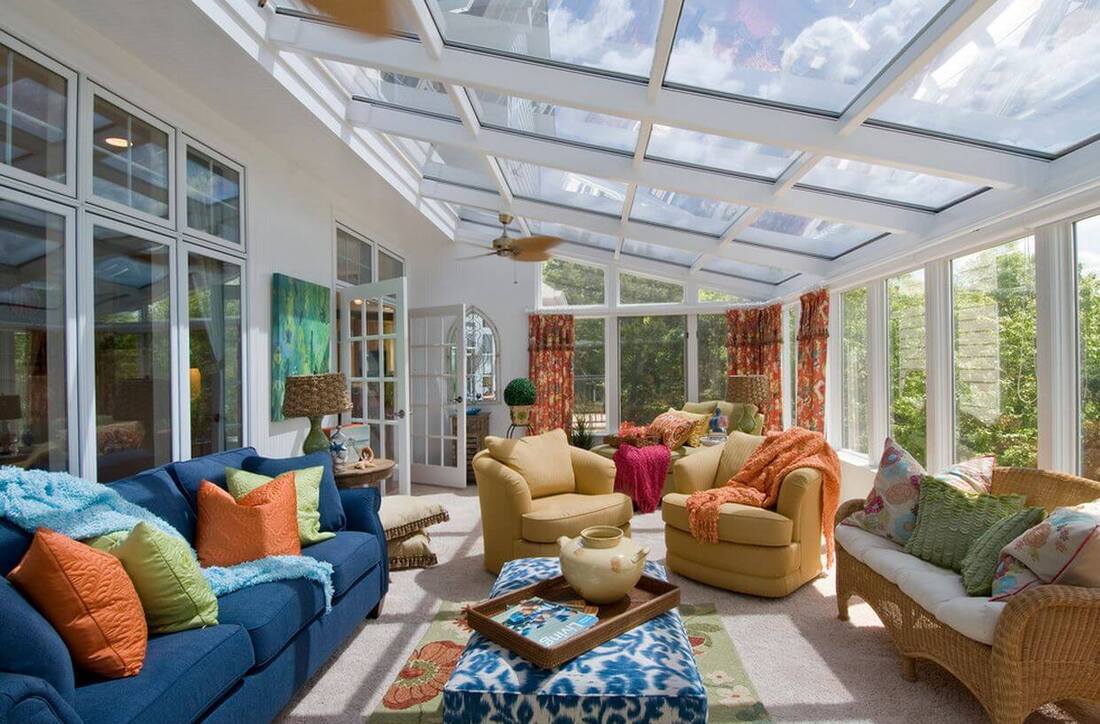
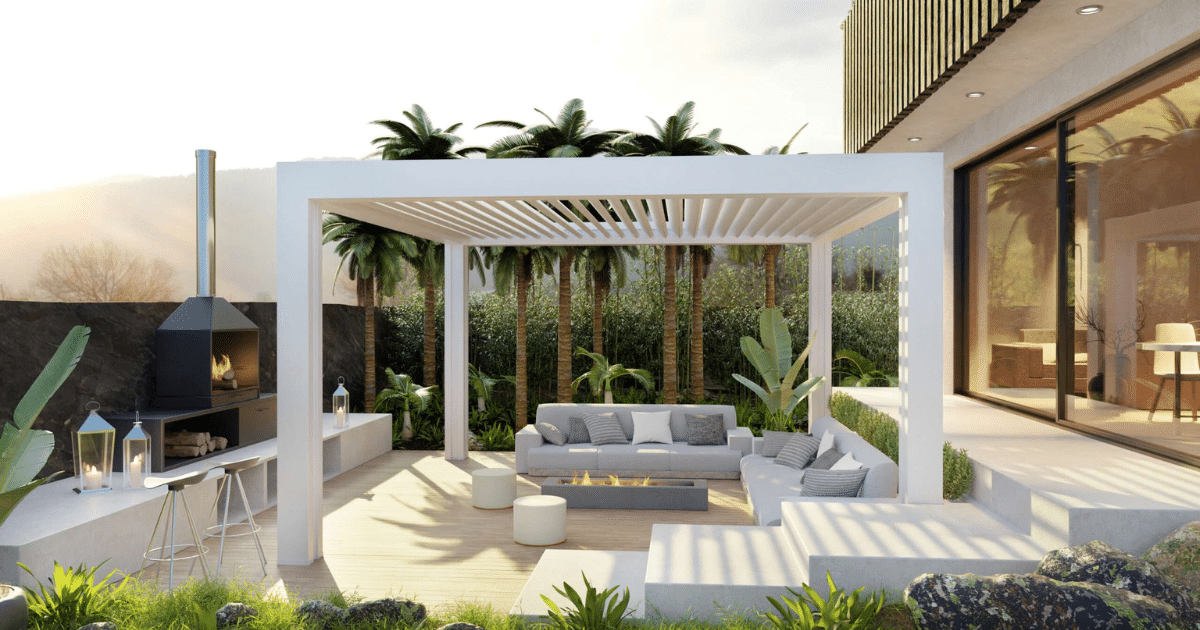
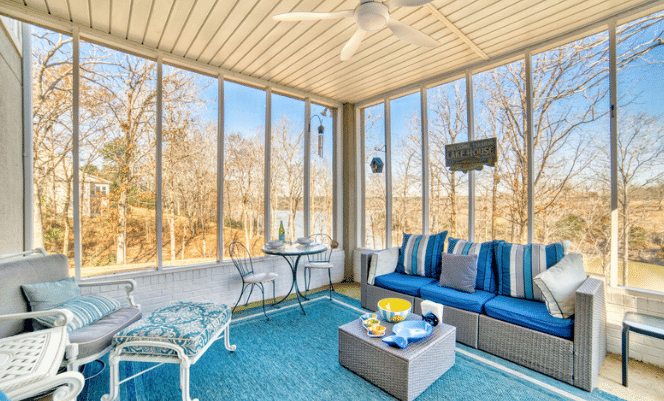
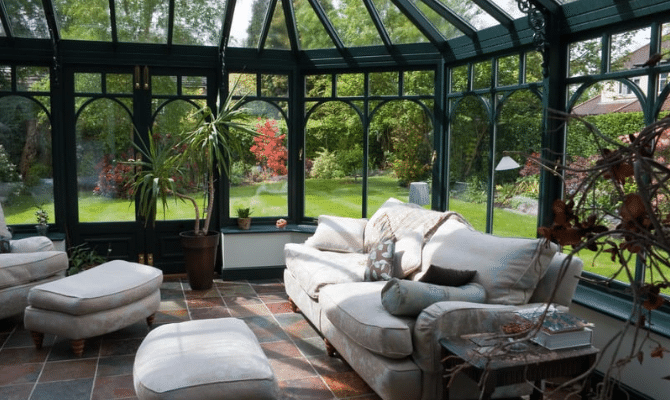
An outdoor kitchen tends to add more value when it is comfortable enough to use often. Direct sun, high heat, and rain can limit how often homeowners use the space, reducing its overall lifestyle impact. Shade structures and patio enclosures help address this problem by improving comfort and protecting key outdoor kitchen components from weather exposure. These upgrades can also enhance durability by reducing UV degradation and moisture-related damage, helping the space maintain quality over time.
Shade and enclosure additions can also define the outdoor kitchen as a purposeful zone within the yard. Coverage helps create a more room-like feel, making the outdoor living space appear more complete and visually connected to the home. Results can vary, but outdoor kitchen spaces that feel sheltered and usable in different conditions often create stronger buyer appeal.
Ways to improve outdoor kitchen comfort and usability include:
- Pergola: Adds architectural style and provides filtered shade
- Retractable awning: Allows adjustable shade coverage based on sun position
- Solid patio cover or roof: Offers consistent protection from sun and rain for more year-round use
Design Considerations That Influence Resale Potential
A strong outdoor kitchen design should balance visual appeal with practical daily use. Resale potential is often influenced by how well the space functions, how durable the materials are, and whether the layout feels natural within the backyard. Buyers tend to respond best to outdoor kitchens that appear permanent, organized, and easy to use, with finishes that withstand outdoor exposure without frequent repairs. Design cohesion matters too, since an outdoor kitchen that matches the home’s exterior style often feels more intentional and complete.
Layout is one of the biggest drivers of usability. When the cooking zone, prep space, and seating areas are arranged with clear movement in mind, the space is more comfortable for both hosting and everyday meals. Material selection also plays a major role, as exterior-rated surfaces and weather-resistant finishes retain their quality longer in the sun, rain, and humidity. Every decision, from layout planning to final finishes, can influence how buyers perceive the outdoor kitchen and how much value they attribute to it.
Choosing Functional Layouts for Your Backyard Space
Layout is the foundation of a successful outdoor kitchen. A well-planned layout supports smooth movement between the cooking area, prep counters, and dining or seating areas, improving overall usability. When planning the layout, consider how the space will be used for cooking, hosting, and everyday meals, so movement feels natural rather than crowded.
Outdoor kitchens are commonly designed in straight-line, L-shaped, or U-shaped layouts. The best option depends on available backyard space and how often the kitchen will be used for entertaining. Many designs also follow the work triangle concept, where the grill, sink, and refrigerator are positioned within easy reach of one another. This setup helps streamline food preparation and cleanup.
Key layout considerations include:
- Zoning: Define clear areas for cooking, prep, cleaning, and socializing
- Accessibility: Allow enough clearance for walking and appliance use
- Proximity: Position the outdoor kitchen close to the home for easier access to indoor spaces
If you’re deciding how to arrange cooking, prep, and seating areas, read How Much Space Do You Need for an Outdoor Kitchen? to see how different layouts perform in real backyards.
From Countertops to Painting and Shade Structures
Material quality is one of the most significant factors in how well an outdoor kitchen holds up over time. Outdoor exposure can be challenging, with intense sun, rain, humidity, and temperature swings that wear down surfaces and finishes. Selecting exterior-rated materials helps protect the outdoor kitchen from fading, corrosion, and moisture-related damage. Durable material choices also help the space maintain quality and a stronger buyer appeal if the home is listed in the future.
Countertops are often selected for heat tolerance and long-term durability, with options such as granite, sealed concrete, and quartzite performing well outdoors when properly maintained. For cabinetry and appliances, stainless steel is a common choice because it resists corrosion and supports a clean, modern appearance. Details also matter, including exterior coatings, sealants, and shade structure materials, since these parts help protect the space from UV exposure and moisture. When every material choice supports outdoor performance, the kitchen stays more functional and may require less frequent repair.
Key material options for a durable outdoor kitchen include:
- Countertops: Granite, sealed concrete, or quartzite
- Cabinetry: Stainless steel or marine-grade polymer
- Flooring: Natural stone, porcelain tile, or concrete pavers
For a deeper look at surfaces and finishes that withstand outdoor conditions and enhance resale appeal, read “What Are the Best Materials for Outdoor Kitchens?” to guide your material selections.
Customization vs Prefabricated Outdoor Kitchens
When planning an outdoor kitchen installation, one of the most significant decisions is whether to choose a custom-built or a prefabricated unit. Prefabricated outdoor kitchens can often be completed faster and may vary in overall scope depending on the package. However, they typically offer limited flexibility in layout and finish selection. Because they are designed as standard units, they may not blend as naturally with the home’s exterior or the backyard flow, which can affect buyer perception and overall value.
Custom outdoor kitchens are designed to fit the space precisely and support the homeowner’s cooking and hosting plans. A custom layout can be shaped around yard dimensions, traffic flow, seating zones, and access points to the home. Homeowners can also select specific materials, appliances, and finishes that match the home’s style and support long-term durability. This approach often delivers stronger functionality and a more permanent, built-in appearance that buyers tend to notice.
A well-planned outdoor kitchen can strengthen buyer appeal by expanding outdoor living space and creating a dedicated area for cooking, dining, and hosting. Resale impact can vary, but outdoor kitchens tend to perform best when the layout is functional, the materials are exterior-rated, and the features feel complete. When the space blends with the home’s style and supports comfortable use in different conditions, it can help a listing stand out in a competitive market.
At North Texas Home Exteriors, we help homeowners plan outdoor kitchens with durable materials, practical layouts, and finishes that fit the property. If you’re considering an upgrade or a complete outdoor kitchen installation, contact us or give us a call to discuss options and create a space that supports both daily enjoyment and long-term value.
Frequently Asked Questions
Can an outdoor kitchen really increase my home’s resale value?
Yes, an outdoor kitchen can increase resale value when built as a permanent, exterior-rated feature that expands usable outdoor living space. Buyers often view it as a lifestyle upgrade, especially when the outdoor kitchen design feels complete with durable finishes and functional zones. The impact can vary by neighborhood and overall build quality, but well-planned outdoor kitchens often strengthen buyer interest.
What features should I prioritize for a valuable outdoor kitchen in North Richland Hills?
In North Richland Hills, prioritize features that enhance comfort and usability in hot and sunny conditions. A built-in grill, durable countertops, and exterior-rated stainless steel appliances are strong starting points. Shade coverage and quality lighting also help the space stay comfortable and functional. When the outdoor kitchen is designed for regular use in changing weather, it can create stronger buyer appeal.
Are custom outdoor kitchens more valuable than prefabricated options?
Custom outdoor kitchens can be more valuable because they are designed to fit the backyard layout and match the home’s exterior style. That cohesion helps the space feel permanent and intentional, which buyers often notice. Custom builds also offer greater control over materials and features, which can enhance durability and long-term performance. Results can vary, but a well-integrated design often creates a stronger impression than a standard unit.
What outdoor kitchen features do buyers notice most?
Buyers often respond to outdoor kitchen ideas that improve hosting and create a comfortable gathering space. Common upgrades include bar seating, a dedicated prep counter, and built-in storage that keeps the space organized. Specialty options such as a pizza oven or a fire feature can also add lifestyle appeal when they fit the layout. The most important factor is that the outdoor kitchen remains functional and easy to use.
How can I customize my outdoor kitchen layout to fit my backyard?
Start by measuring the available area and identifying where cooking, prep, cleaning, and seating should go. A layout that supports smooth movement between the grill, prep space, and dining area improves usability. We often recommend planning for clear walkways and positioning the outdoor kitchen close to the home for easier access. Custom design allows you to select cabinetry, counters, and features that fit the space precisely.
What features should I include in a modern outdoor kitchen design?
A modern outdoor kitchen design typically includes a built-in grill, adequate counter space for prep and serving, and exterior-rated storage. Many homeowners also add a sink and an outdoor refrigerator for convenience. Lighting is essential for evening use, and shade coverage can improve comfort. The best modern designs balance clean styling with durable materials that withstand outdoor conditions.
Which appliances are commonly included in outdoor kitchen designs?
Common outdoor kitchen appliances include a built-in grill, an outdoor refrigerator, and a sink. Depending on the cooking style, additional appliances may consist of a side burner, a warming drawer, or a pizza oven. Many homeowners select stainless steel appliances rated for exterior use because they resist corrosion and maintain a consistent appearance over time.
How can I integrate seating and dining areas into an outdoor kitchen?
Seating can be integrated by extending the countertop to create bar seating or by adding a nearby dining table that complements the cooking zone. Lounge seating can also work well when placed close enough for conversation but far enough to keep walkways clear. A comfortable dining setup helps the outdoor kitchen function as a true gathering space rather than only a cooking area.
Is an outdoor kitchen a wise investment?
An outdoor kitchen can be a wise investment when it fits the home, uses durable materials, and is designed for regular use. Market results can vary, but outdoor living upgrades often help a home stand out to buyers who prioritize entertaining and lifestyle features. The strongest outcomes usually come from designs that feel permanent, functional, and visually cohesive with the property.
How can I make an outdoor kitchen more energy-efficient?
Energy efficiency can be improved by selecting energy-efficient, exterior-rated appliances, using LED lighting, and adding controls such as timers or smart switches for lighting zones. Shade structures can also help reduce heat buildup, keeping the space more comfortable during peak sun. If you add fans or heaters, selecting efficient models and placing them strategically can help manage comfort while limiting unnecessary energy use.